Appendix 1
Oakwood Rewilding - October 2026 Tasks
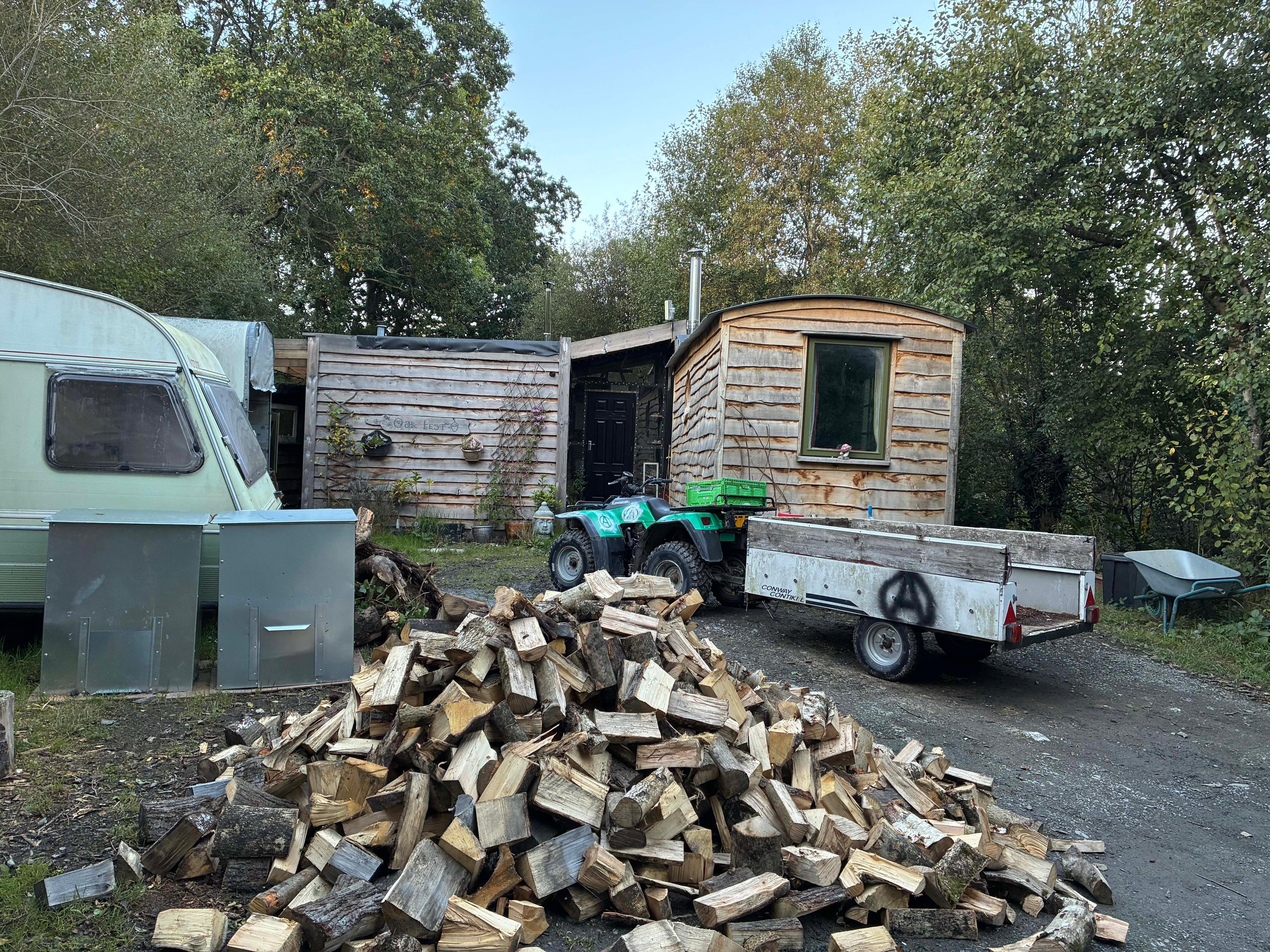
October rewilding plan, seasonal observations and photographs from Oakwood in Llanbrynmair.
Around Oakwood
October photographs
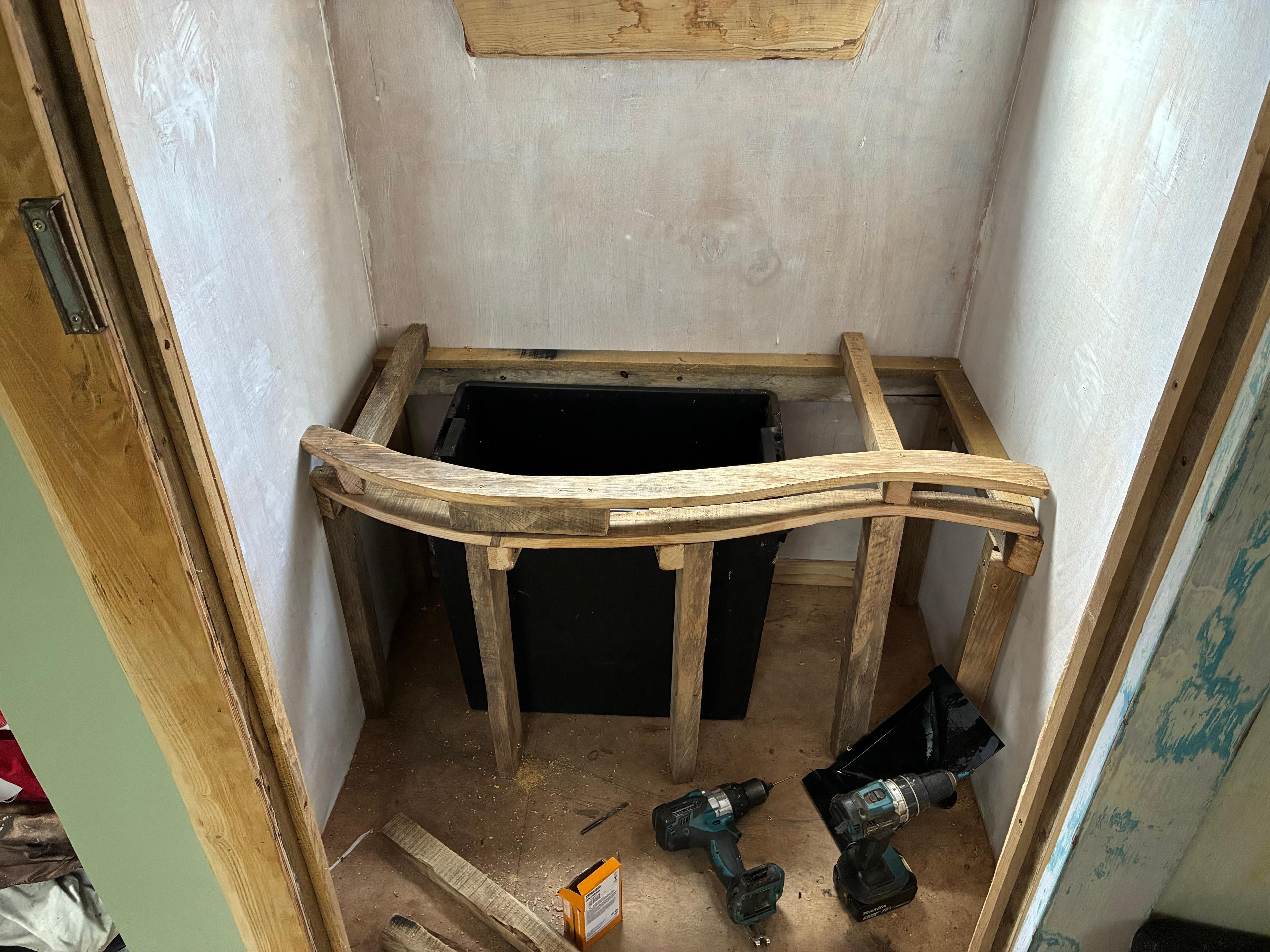
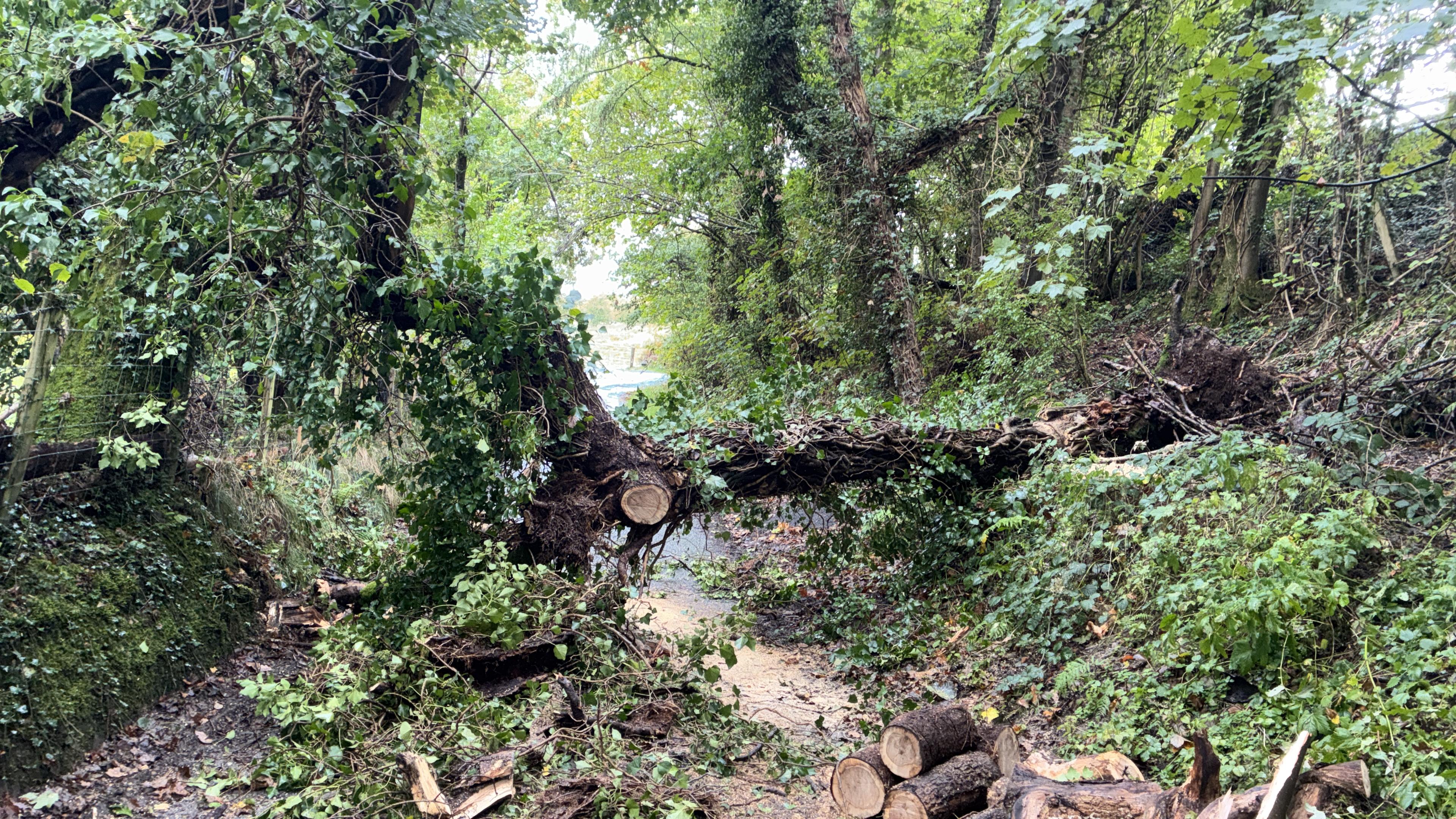
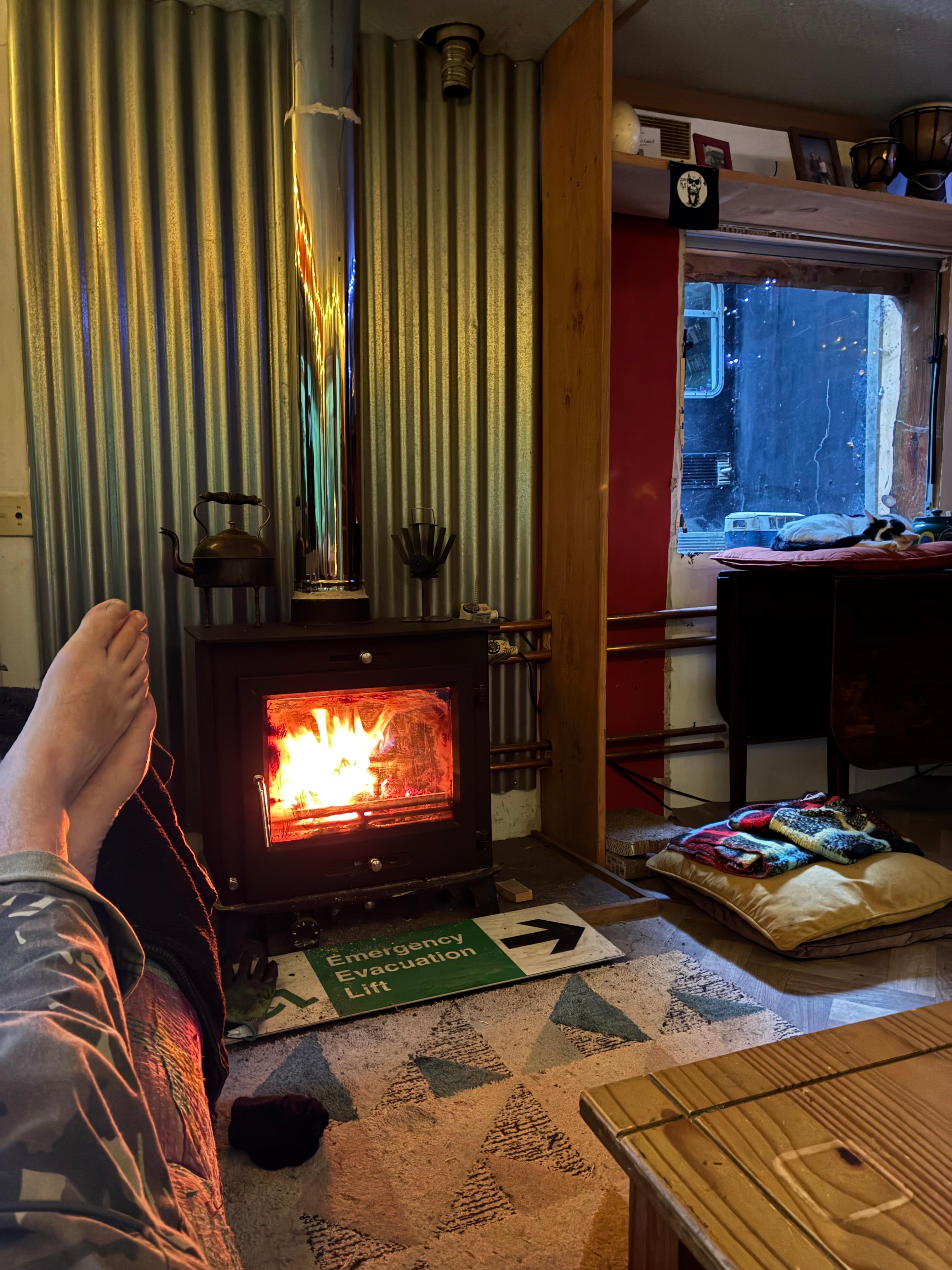
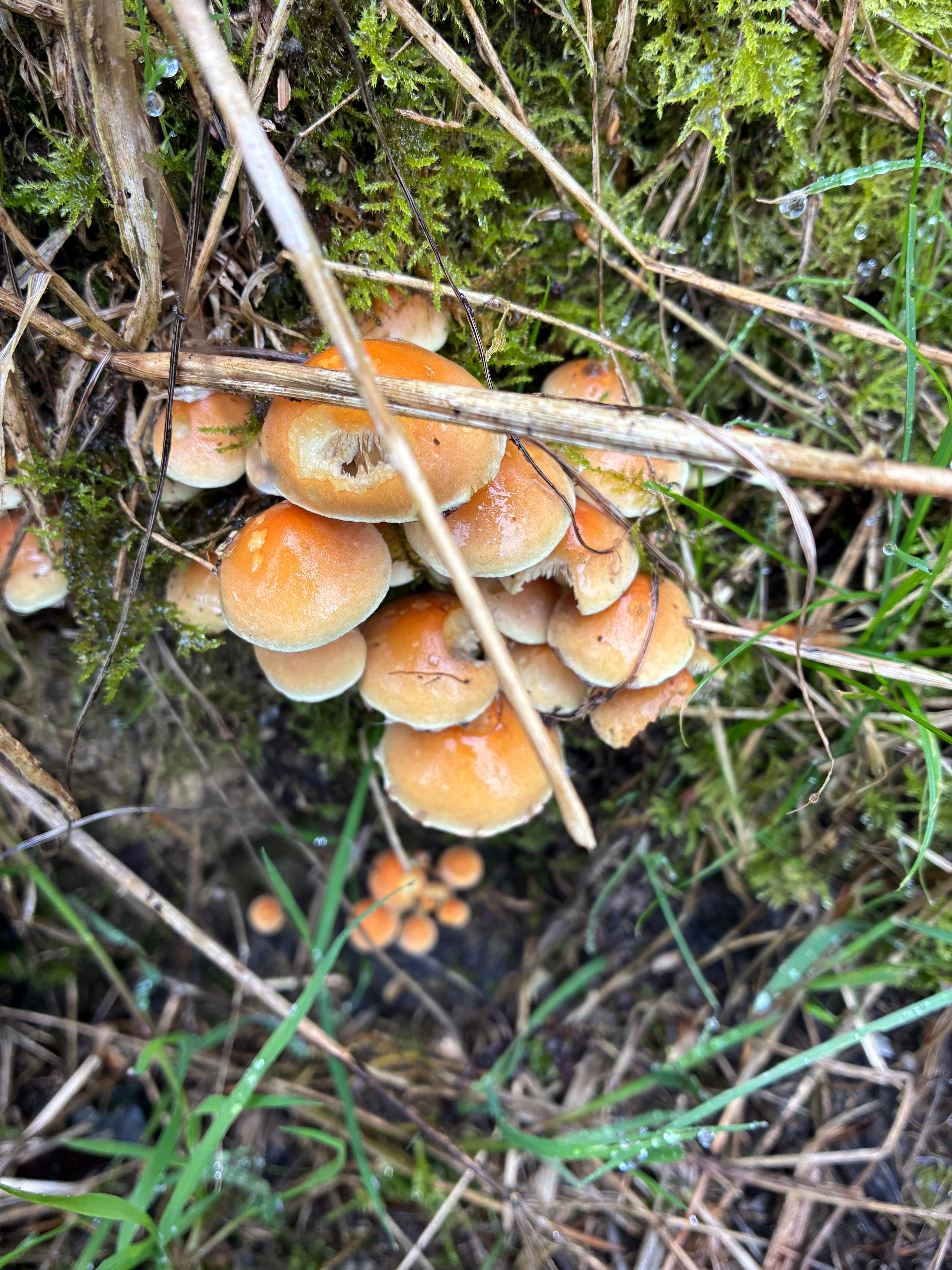
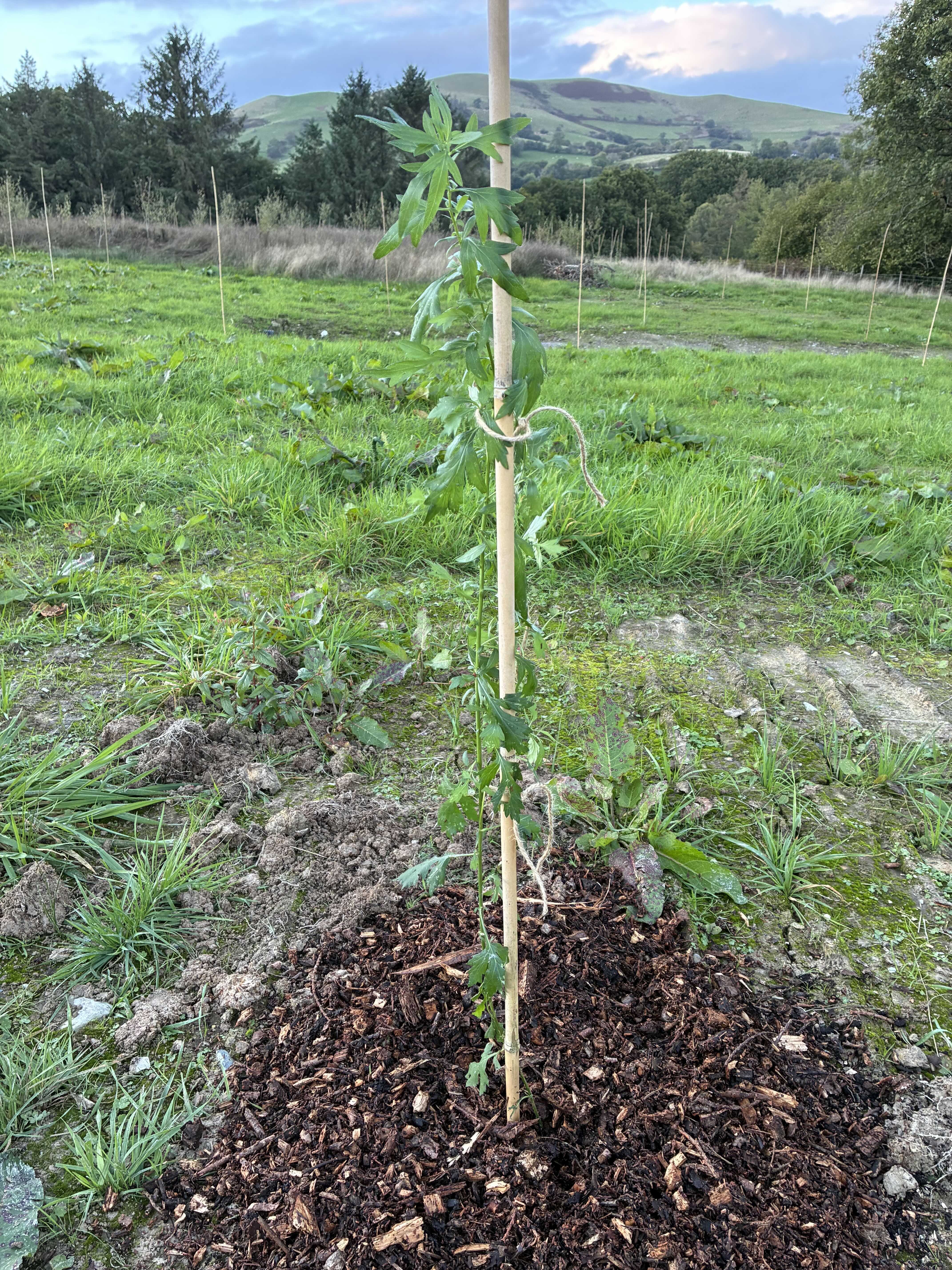
Photographs accompanying Newsletter 18, showing the changing land and projects around Oakwood.
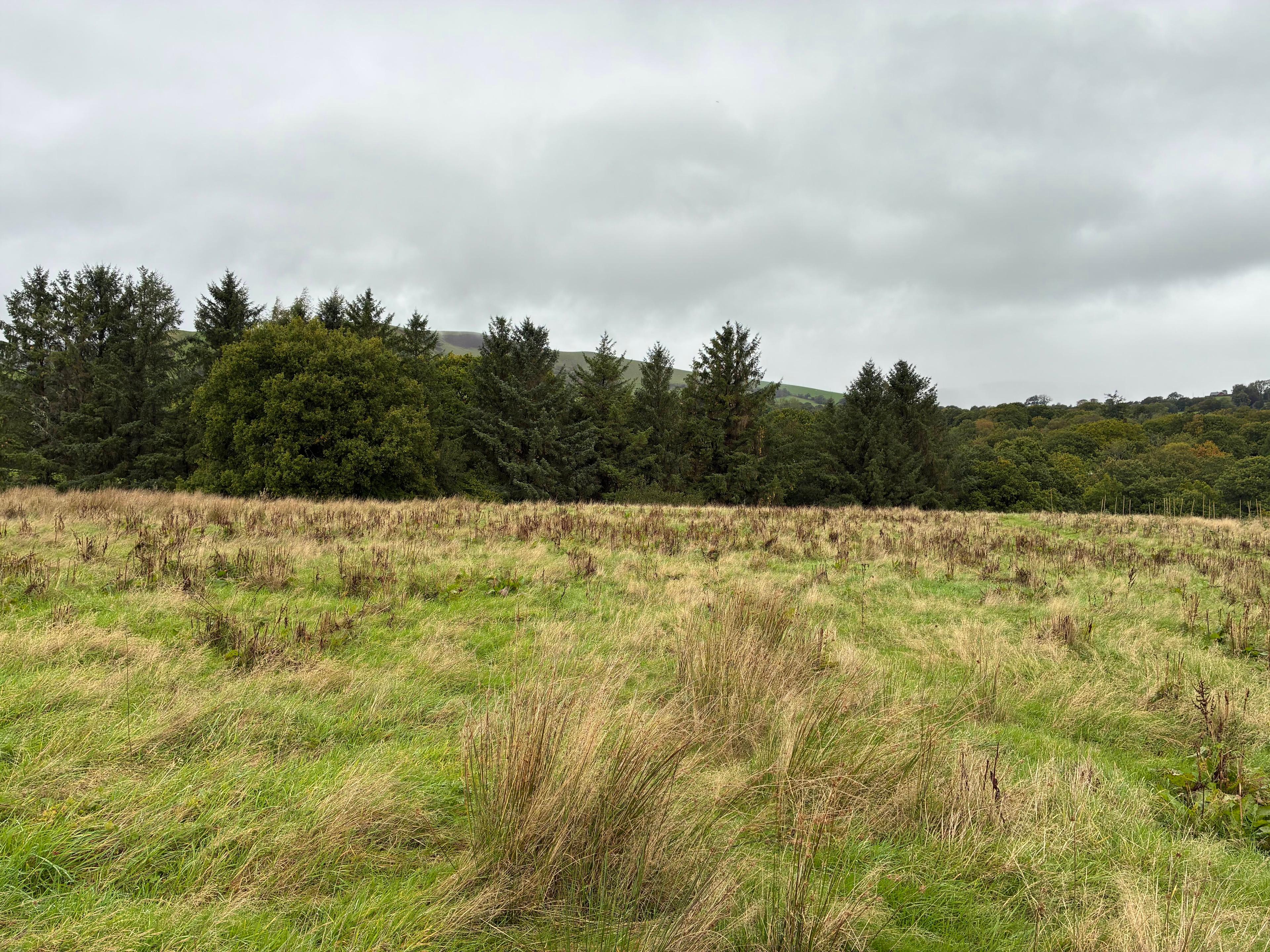
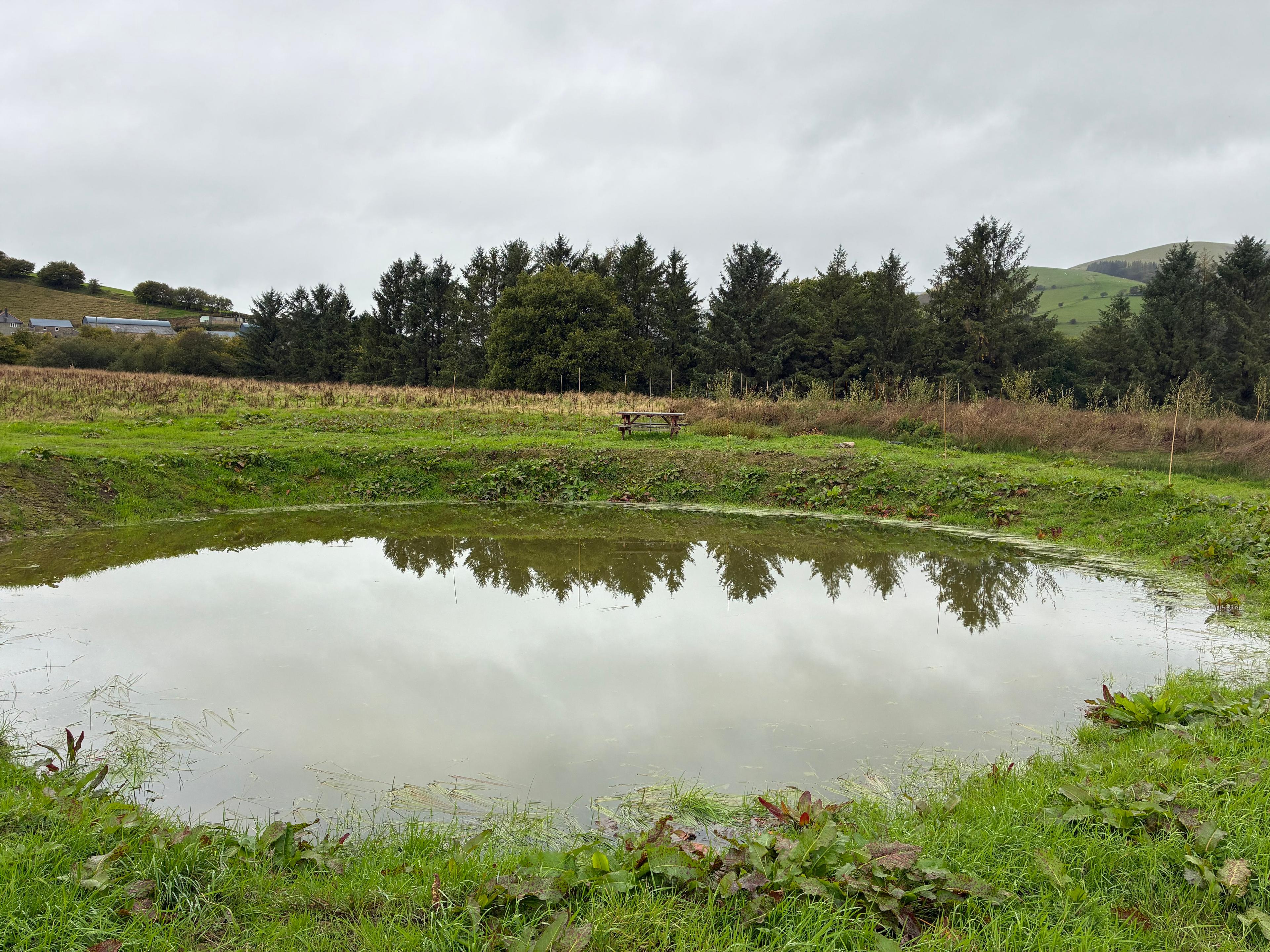
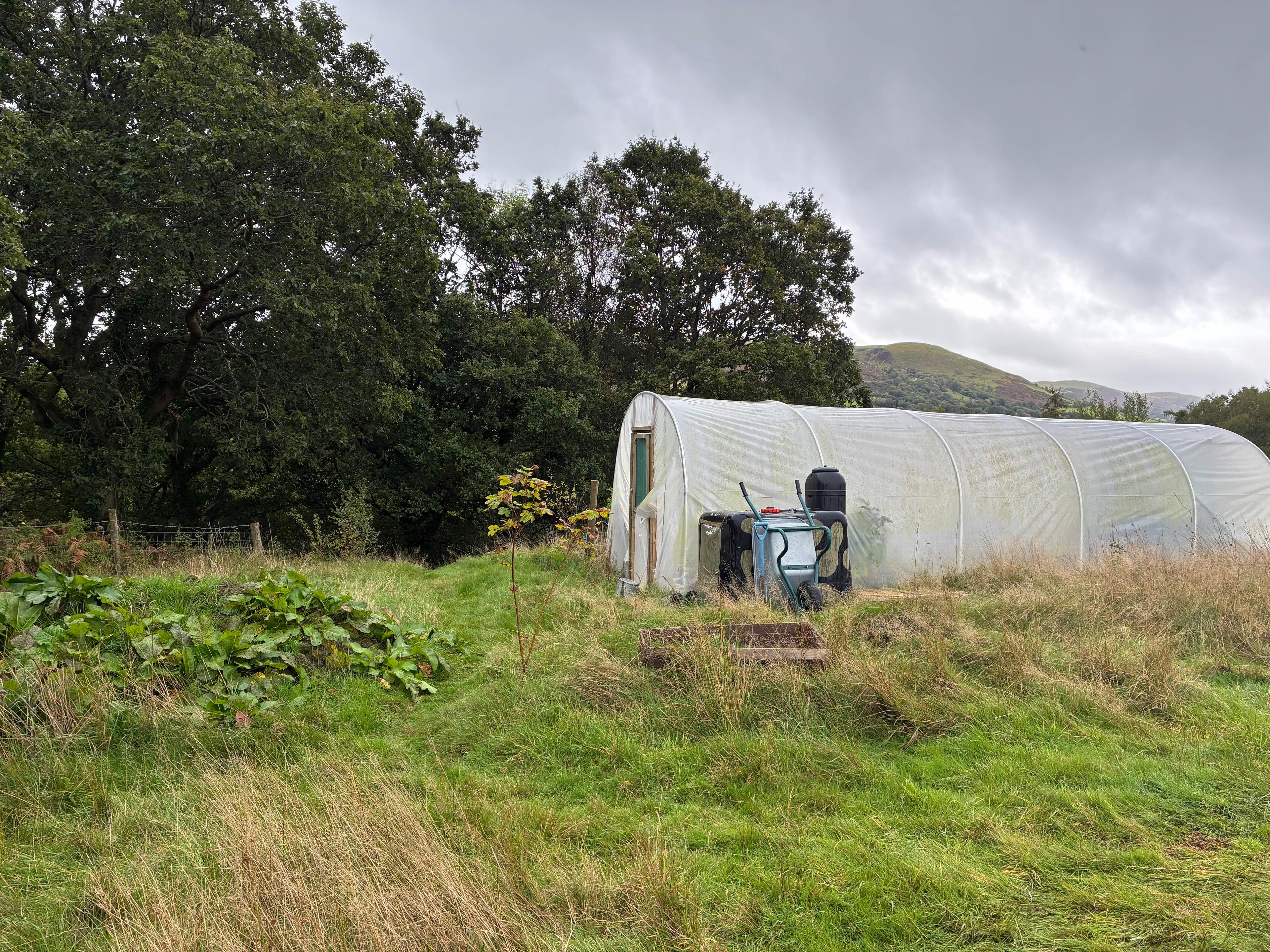
Overview
October marks a definite change of season at Oakwood. Growth is slowing, leaves are beginning to fall and the site is moving from the active summer growing period into autumn and winter. The emphasis this month shifts towards tree planting, preparation for winter planting, seed distribution, habitat creation and observation.
The guiding principle remains the same: work with natural succession rather than trying to impose a finished landscape on the site. Intervention should have a clear purpose, whether that is establishing woodland, increasing species diversity, protecting young trees, improving habitat or keeping essential access open.
October should also provide useful information about how the land is changing naturally. Areas left largely untouched through the summer can now be assessed to see which species have established, where scrub is developing and where additional planting might genuinely be useful.
Priority 1 - Dock Management
Dock growth should now be slowing considerably.
Continue removing seed heads where plants are still producing viable seed.
There is little value in trying to eliminate established plants simply for appearance.
Leave non-problematic plants where they contribute to vegetation structure and habitat.
Note areas where dock has become particularly dominant for reassessment next spring.
Avoid unnecessary disturbance of soil, which may simply expose additional dormant seed.
The objective remains control rather than eradication.
Priority 2 - Bracken
Bracken should now be dying back naturally.
No major cutting programme is required during October.
Observe where repeated summer cutting has weakened stands.
Record areas where bracken remains particularly dense.
Allow dying fronds to collapse naturally where they are not obstructing access.
Clear bracken only where necessary around newly planted or existing young trees.
The main task this month is assessment rather than intervention.
Priority 3 - Young Trees
Existing young trees should be checked before winter.
Inspect guards, stakes and ties.
Replace or straighten damaged stakes.
Make sure ties are not cutting into expanding stems.
Clear dense vegetation immediately around vulnerable young trees where necessary.
Check for browsing damage.
Record any trees that have died during the summer.
Leave naturally regenerating saplings unless they are causing a specific problem.
This is also a useful opportunity to identify natural regeneration that may have been hidden by summer vegetation.
Priority 4 - Winter Woodland Planting
October begins the main preparation period for the next phase of woodland establishment.
The Woodland Trust and maple orchard projects should remain central to the planting strategy. The approved proposal and site visit will help determine species, numbers and locations.
During October:
Incorporate recommendations from the Woodland Trust site visit when available.
Identify the principal planting areas.
Mark areas that should remain open rather than being planted.
Consider how new planting will connect with existing hedges, scrub and woodland.
Prepare stakes and guards.
Avoid unnecessary ground preparation.
Retain naturally regenerating trees within proposed planting areas.
The aim should be to create developing woodland rather than rows of plantation trees.
Priority 5 - Seed Collection and Distribution
October remains useful for collecting and distributing locally occurring seed.
Possible material includes:
Hawthorn.
Blackthorn.
Dog rose.
Hazel.
Other suitable native seed and berries already occurring around Oakwood.
Seed can be scattered into suitable rough margins, hedge edges and areas where scrub development is desirable.
Some seed will fail, some will be eaten and some will remain dormant. That is part of the process. The intention is to increase the opportunities for natural establishment rather than attempt controlled propagation everywhere.
Continue recording where significant quantities of seed are scattered so that establishment can be assessed in future years.
Priority 6 - Pond-da-Rosa Area
Pond-da-Rosa should now be allowed to settle into its autumn condition.
Continue monitoring water level.
Observe how the recently planted willows are establishing.
Replace failed willows later in the dormant season if necessary.
Avoid excessive tidying around the margins.
Leave dying vegetation where it does not create a specific problem.
Record any obvious new plant or animal species.
Observe how the scattered wild seed develops.
Allow marginal vegetation to establish naturally.
Dead stems and vegetation around the pond will provide useful winter habitat and should generally be left alone.
Priority 7 - Meadow Management
The meadow areas should largely be entering dormancy.
Avoid unnecessary cutting.
Leave standing stems and seed heads through autumn and winter where possible.
Maintain only the paths and access routes that are actually needed.
Observe which areas are developing into grassland, scrub or taller herb vegetation.
Record areas where particular species have become dominant.
Avoid treating untidy vegetation as a problem in itself.
Standing vegetation provides shelter, seeds and overwintering habitat for a wide range of wildlife.
Priority 8 - Woodland and Stream Edge
October is a useful month for observing the structure of existing woodland and stream-edge vegetation.
Leave fallen branches and deadwood wherever safe.
Retain leaf litter.
Avoid clearing the woodland floor.
Observe natural tree regeneration.
Identify gaps where additional winter planting could strengthen woodland continuity.
Keep intervention around the stream minimal.
Retain naturally fallen woody material unless it is causing a genuine obstruction or problem.
Autumn leaf fall should increasingly create its own woodland floor.
Priority 9 - Cider Orchard
The new ten-tree cider orchard becomes an important autumn project.
During October:
Confirm the final orchard layout.
Mark the ten planting positions.
Prepare stakes and guards.
Check drainage and ground conditions.
Avoid excessive cultivation around planting positions.
Plant trees during the appropriate dormant period once they arrive and conditions are suitable.
Record each variety and its position.
The orchard should remain integrated with the wider rewilding project rather than becoming an intensively managed garden area. Ground vegetation between the trees can remain relatively wild, with only the immediate planting area managed where necessary.
Priority 10 - Maple Copse
Preparations can begin for the small maple copse of approximately thirty acers sourced from Welshpool.
Confirm the planting area.
Decide on an informal planting pattern rather than regular rows.
Retain any useful natural regeneration already present.
Prepare sufficient stakes and guards.
Check access for moving the trees to the planting area.
Plant when the trees are dormant and ground conditions are suitable.
Allow enough space for the trees to develop naturally.
The copse should eventually provide another distinctive woodland feature at Oakwood and increase autumn colour and structural diversity.
Priority 11 - Wood Chip and Deadwood
Continue using woody material primarily as habitat.
Retain existing brash piles.
Add suitable branches and woody material when available.
Leave larger deadwood pieces in contact with the ground.
Avoid burning useful habitat material unnecessarily.
Use wood chip selectively where it has a practical purpose.
Do not spread wood chip simply to make areas appear tidy.
Deadwood should increasingly become a permanent component of the Oakwood landscape.
Priority 12 - Wildlife Habitat
October is an important month for protecting overwintering habitat.
Leave hollow stems standing.
Retain leaf litter.
Leave seed heads.
Maintain brash piles.
Retain deadwood.
Avoid disturbing dense vegetation unnecessarily.
Leave sheltered corners untouched.
Avoid excessive autumn clearance around the pond and woodland edges.
The less unnecessary tidying carried out now, the more winter habitat remains available.
Priority 13 - Species Recording
Continue recording seasonal changes.
Particular attention should be given to:
Fungi.
Birds.
Mammals and signs of mammal activity.
Late flowering plants.
Seeds and fruits.
Natural tree and shrub regeneration.
Changes around Pond-da-Rosa.
Changes in areas where management has been reduced.
Photographs taken from established viewpoints will become increasingly useful for comparing changes between seasons and between years.
Priority 14 - Polytunnel and Growing Areas
The polytunnel remains a productive area rather than part of the rewilding experiment, but October marks the transition towards winter use.
Harvest remaining summer crops.
Remove genuinely diseased material.
Leave healthy organic material where it can be composted or reused.
Continue harvesting productive autumn crops.
Prepare space for winter and early spring growing.
Avoid leaving bare soil unnecessarily.
Compost suitable plant material on site.
The aim remains to keep fertility and organic matter circulating within Oakwood wherever practical.
Priority 15 - Paths and Access
Paths should remain functional without creating unnecessarily manicured corridors through the site.
Cut only where access is becoming difficult.
Clear fallen branches where necessary.
Allow vegetation beside paths to remain standing.
Review routes that are rarely used and consider allowing them to narrow naturally.
Keep access available to the pond, orchard, polytunnel and principal working areas.
Prepare practical access to winter tree-planting areas.
By October, path management should be minimal.
Priority 16 - Autumn and Winter Planting Preparation
This becomes one of the principal tasks for October.
Prepare for:
Woodland Trust tree planting.
The maple copse of approximately thirty acers.
The ten-tree cider orchard.
Replacement of any failed young trees.
Additional willow planting around suitable wet areas where required.
Check stocks of:
Tree stakes.
Guards.
Ties.
Basic planting tools.
Planting positions should be chosen according to the existing ecology of the site rather than simply filling available space. Natural regeneration should be retained and incorporated into the developing woodland.
General Principles for October
October is a month for observation, preparation and selective intervention.
The main principles are:
Do not tidy simply for the sake of tidiness.
Retain dead vegetation wherever practical.
Protect natural regeneration.
Allow leaves to remain where they fall.
Keep deadwood and brash on site.
Maintain essential access rather than cutting everywhere.
Prepare carefully for winter tree planting.
Allow Pond-da-Rosa and its margins to develop naturally.
Record changes before intervening.
Continue allowing different parts of Oakwood to develop at different rates.
The objective is not to manufacture a landscape that immediately looks like mature woodland or meadow. It is to create the conditions in which woodland, scrub, meadow, wetland and edge habitats can develop for themselves.
End of Month Review
At the end of October, review:
What has naturally regenerated?
Which summer plants have successfully produced seed?
Where is scrub beginning to establish?
Which young trees have survived the year?
Which trees need replacement?
What has happened to the bracken after summer management?
Are any areas becoming dominated by dock?
How are the willows around Pond-da-Rosa developing?
What new species have been recorded around the pond?
Which meadow areas should remain completely untouched through winter?
Are existing brash piles and deadwood habitats developing well?
Are the cider orchard planting positions ready?
Is the maple copse area ready?
Are stakes, guards and ties available for winter planting?
Has the Woodland Trust site visit changed the proposed woodland planting plan?
Which areas should specifically not be planted?
The October review will form the basis of the November plan, when the emphasis should move more strongly towards dormant-season tree planting and winter habitat protection.