Appendix 1
Oakwood Rewilding - September 2026 Tasks
The September rewilding plan, photographs and seasonal observations from around Oakwood in Llanbrynmair.
Around Oakwood
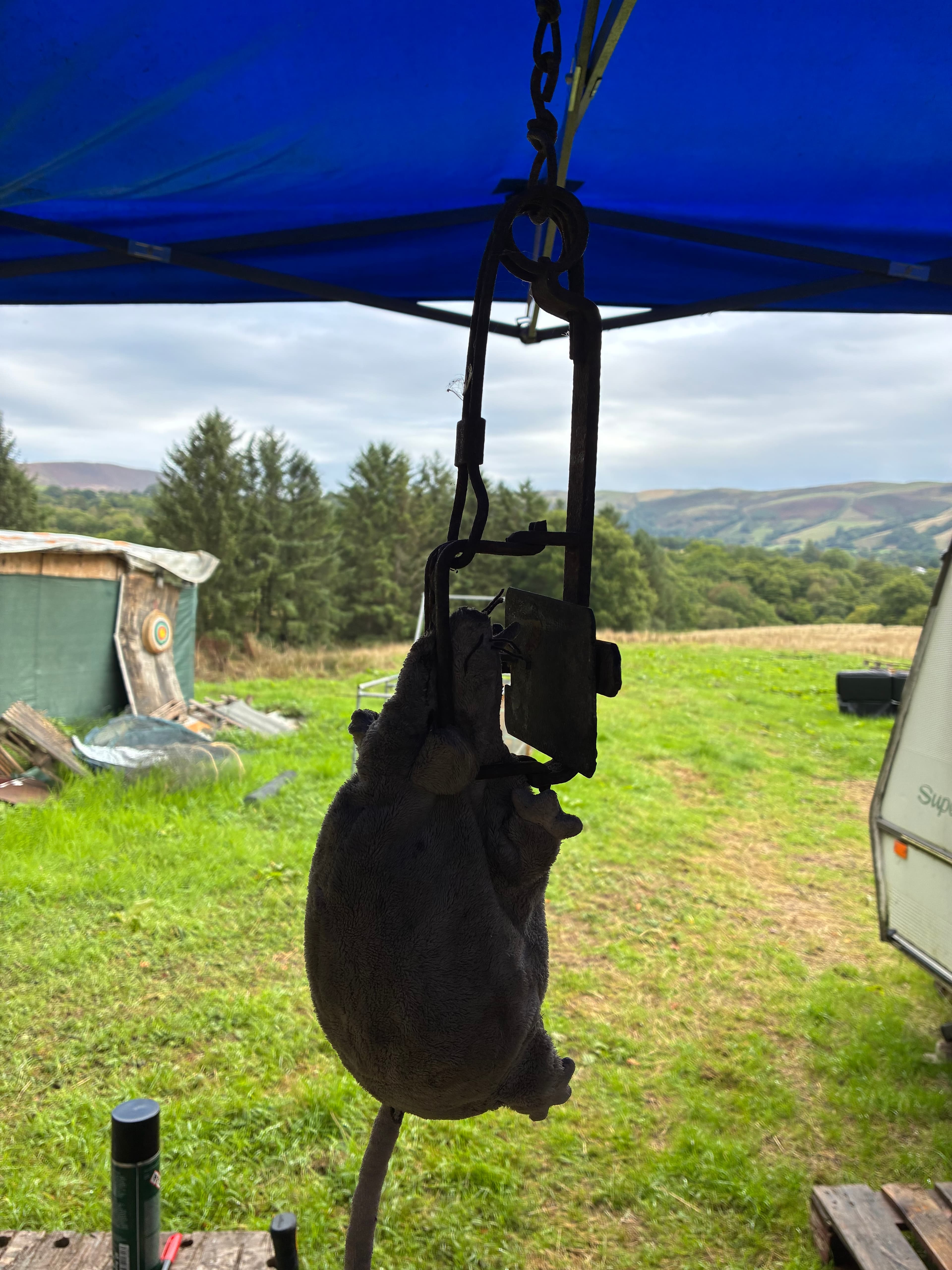
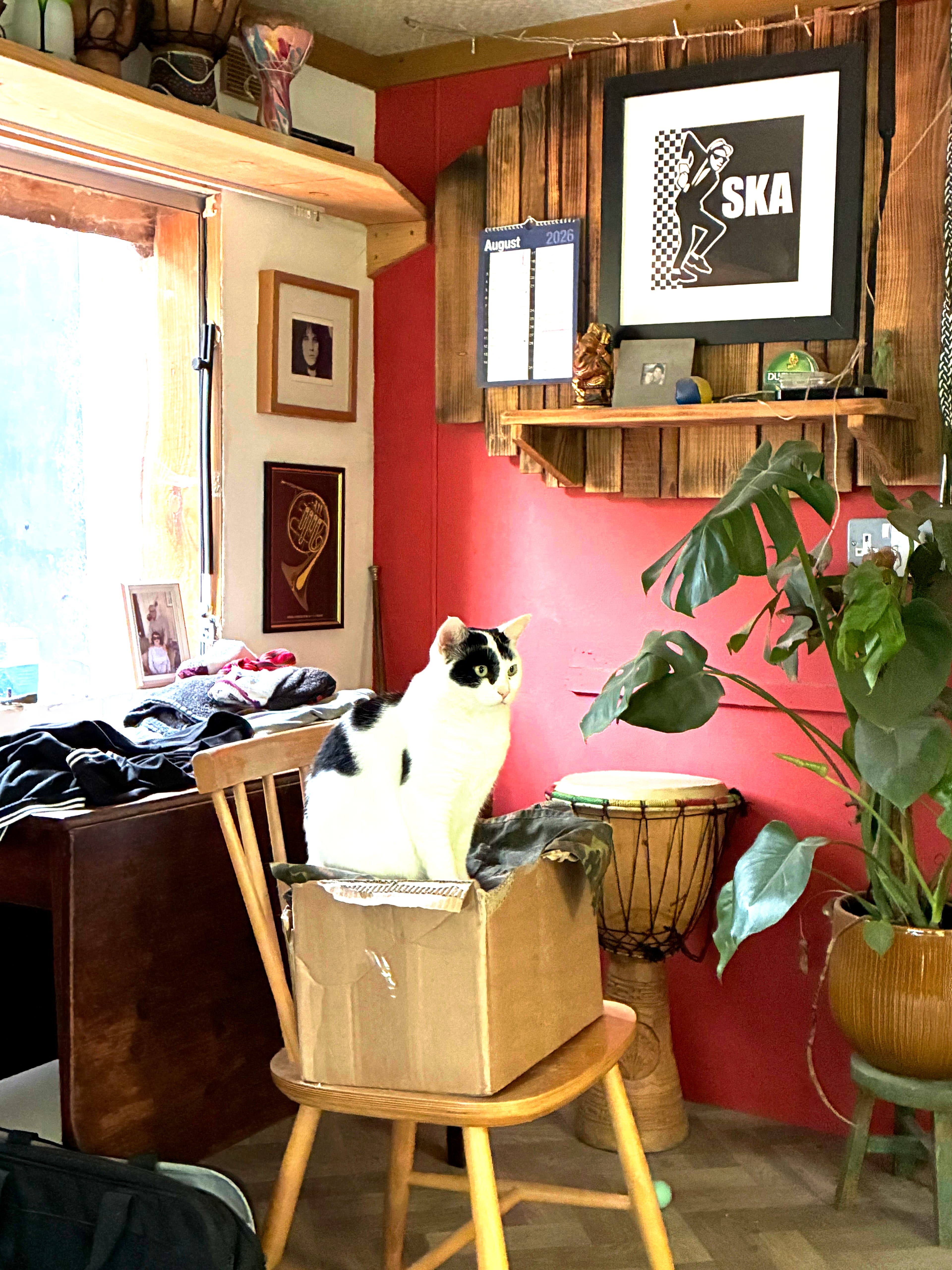
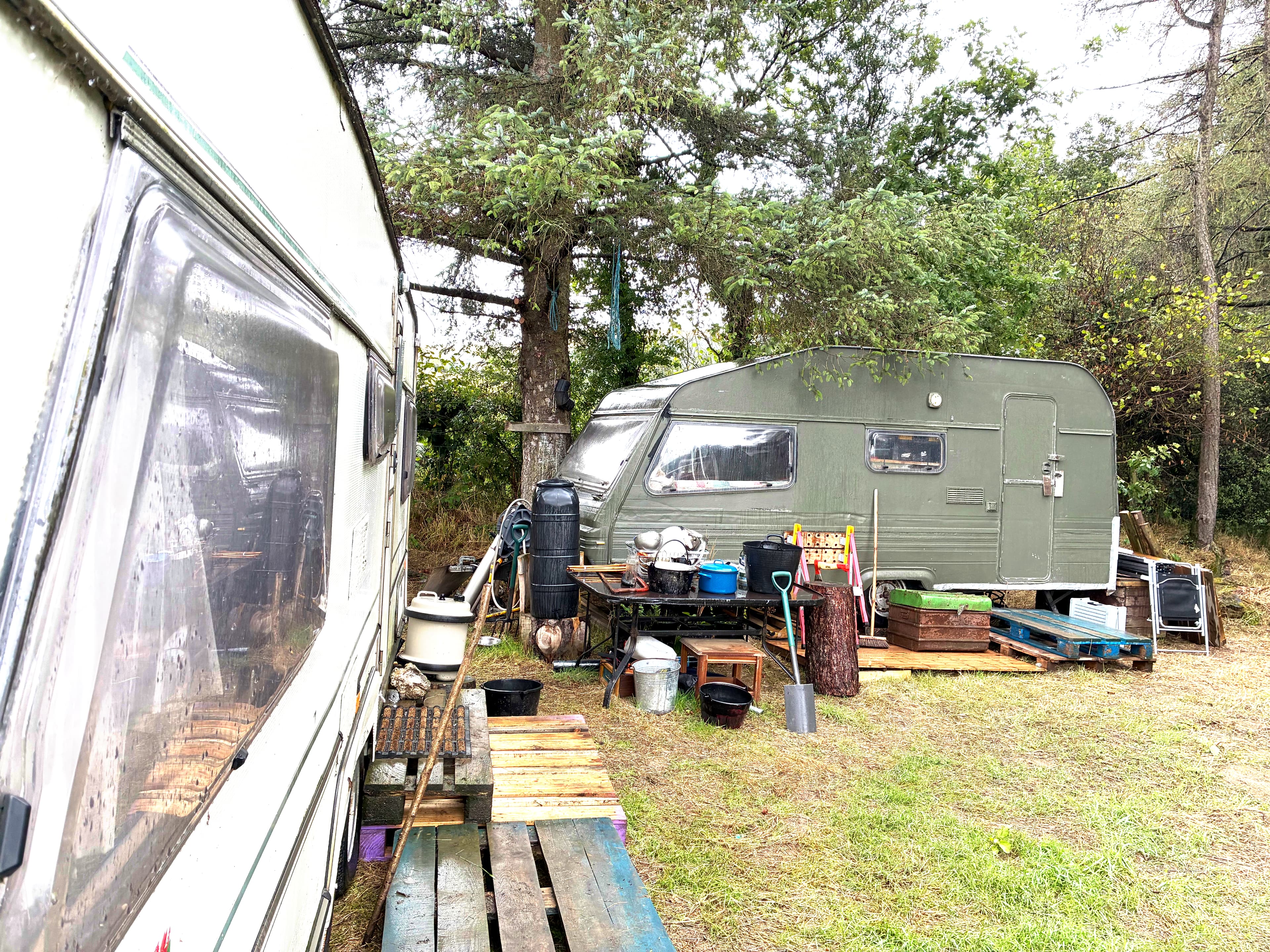
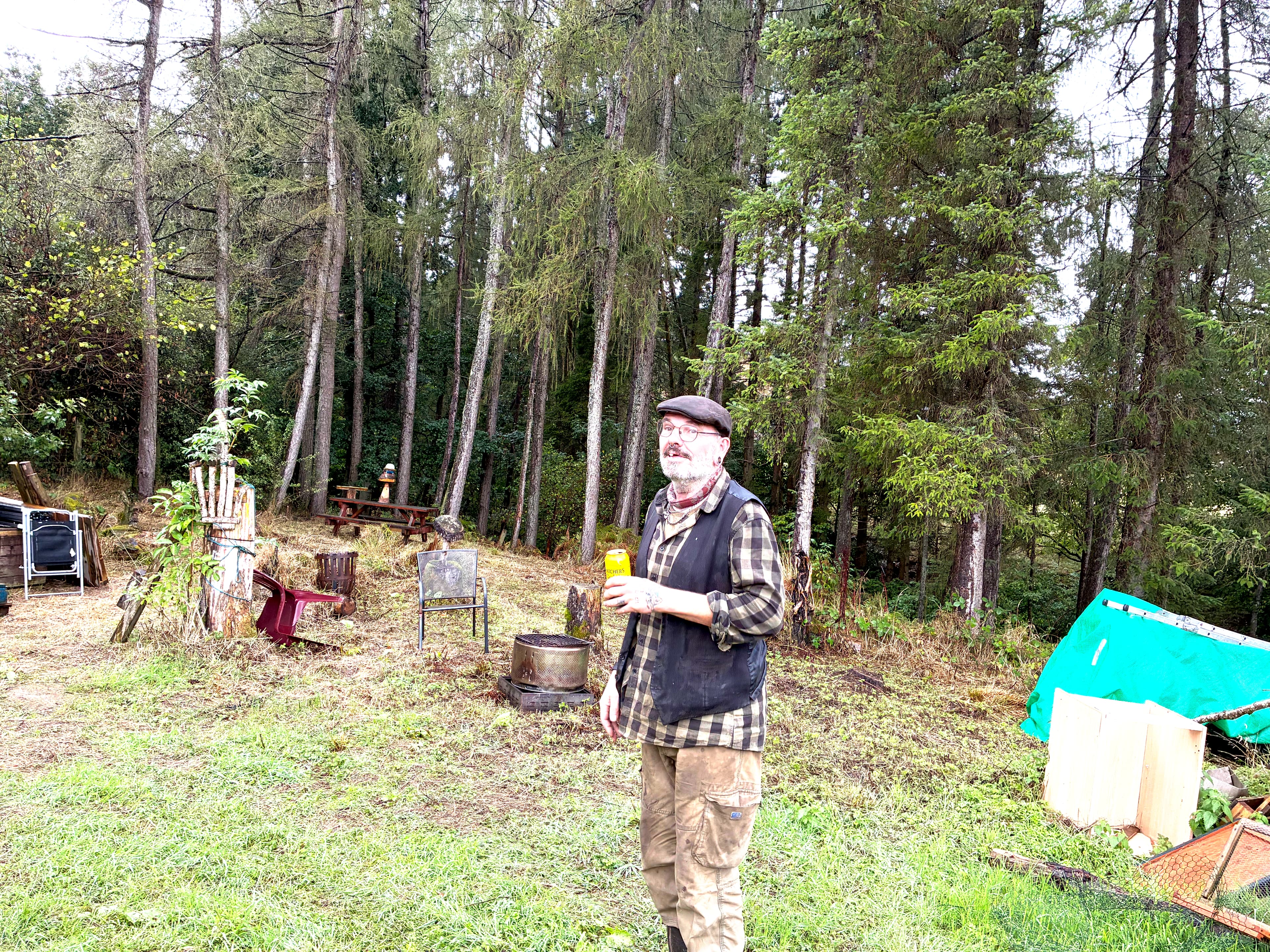
September photographs
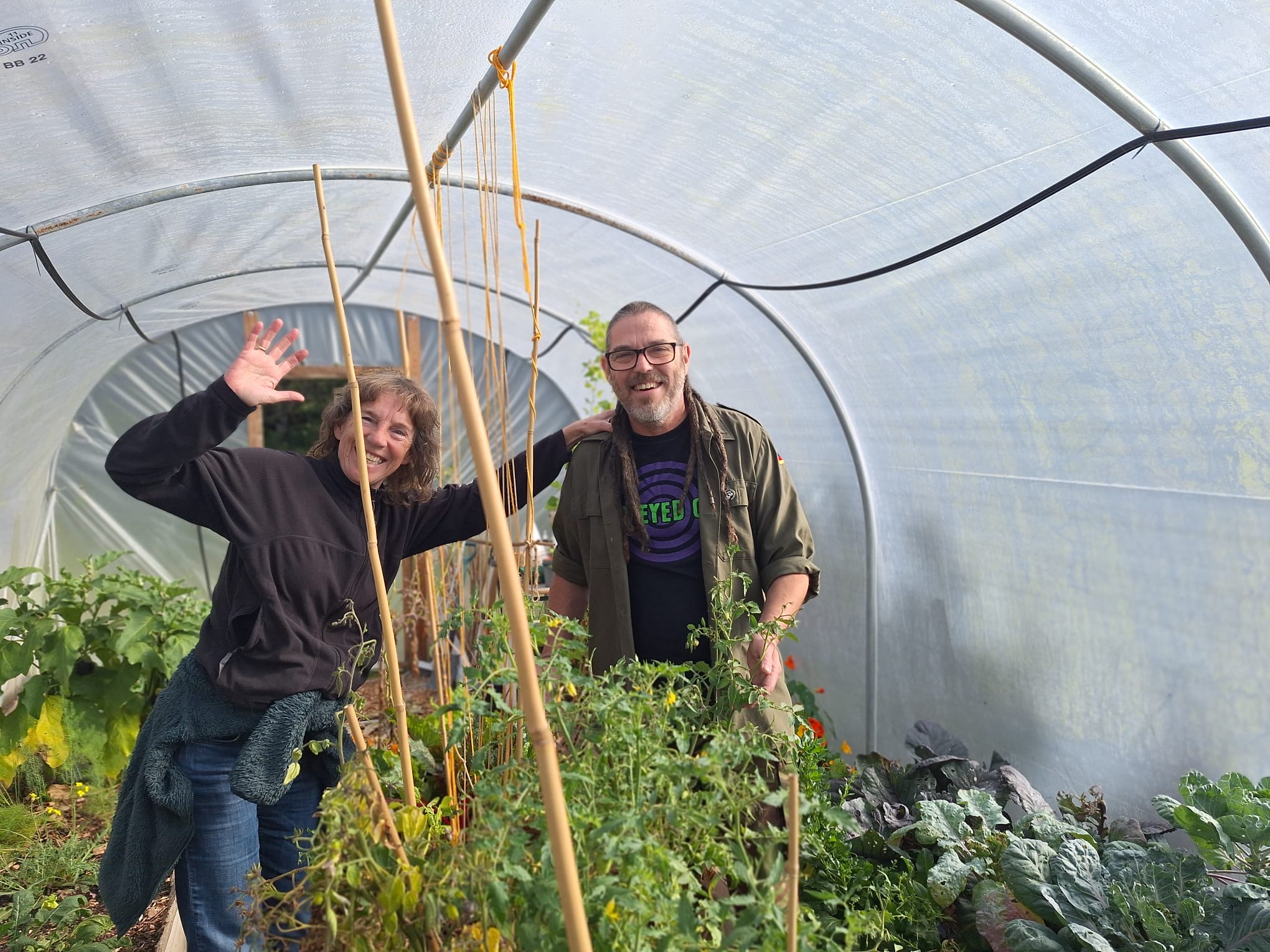
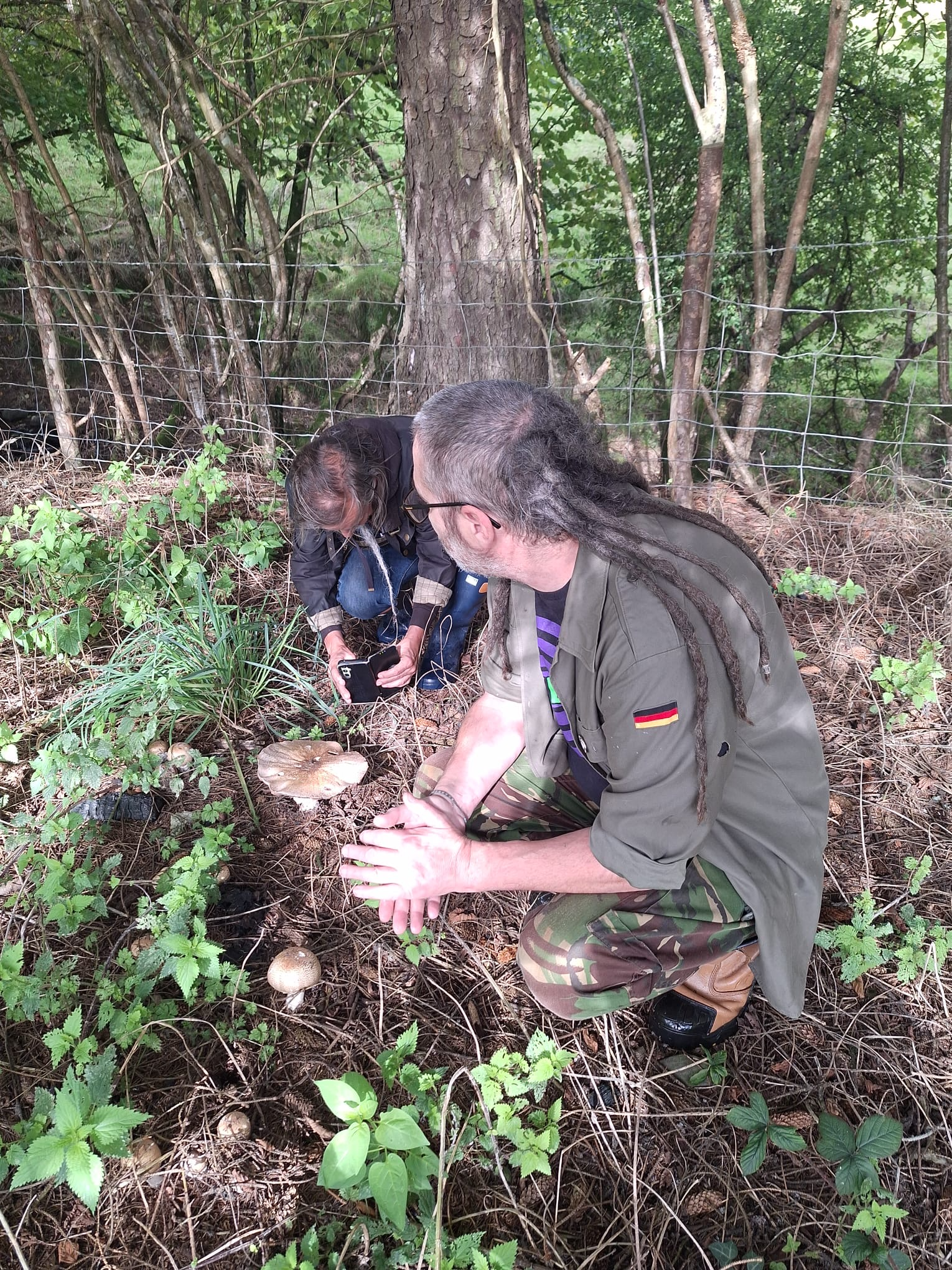
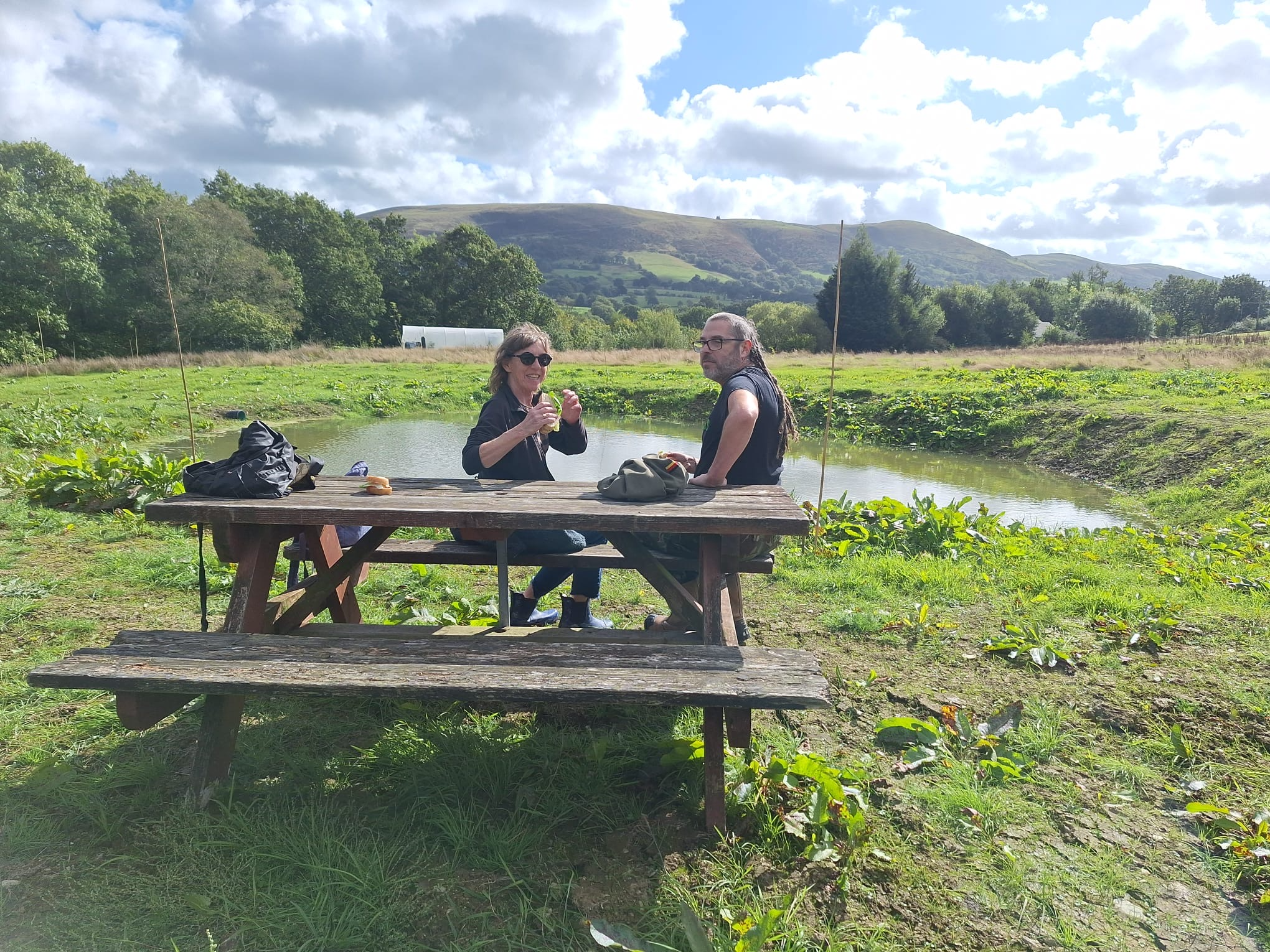
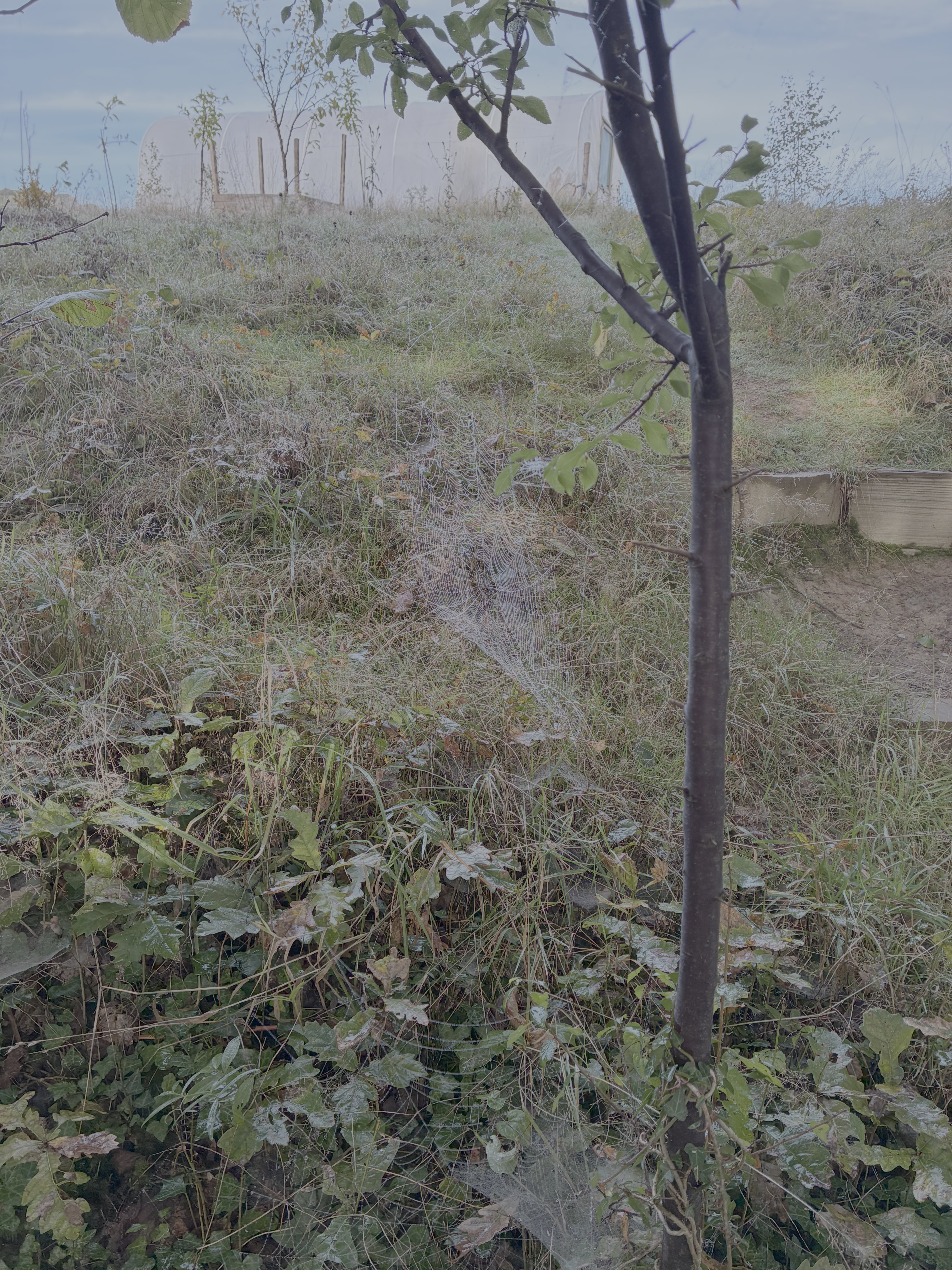
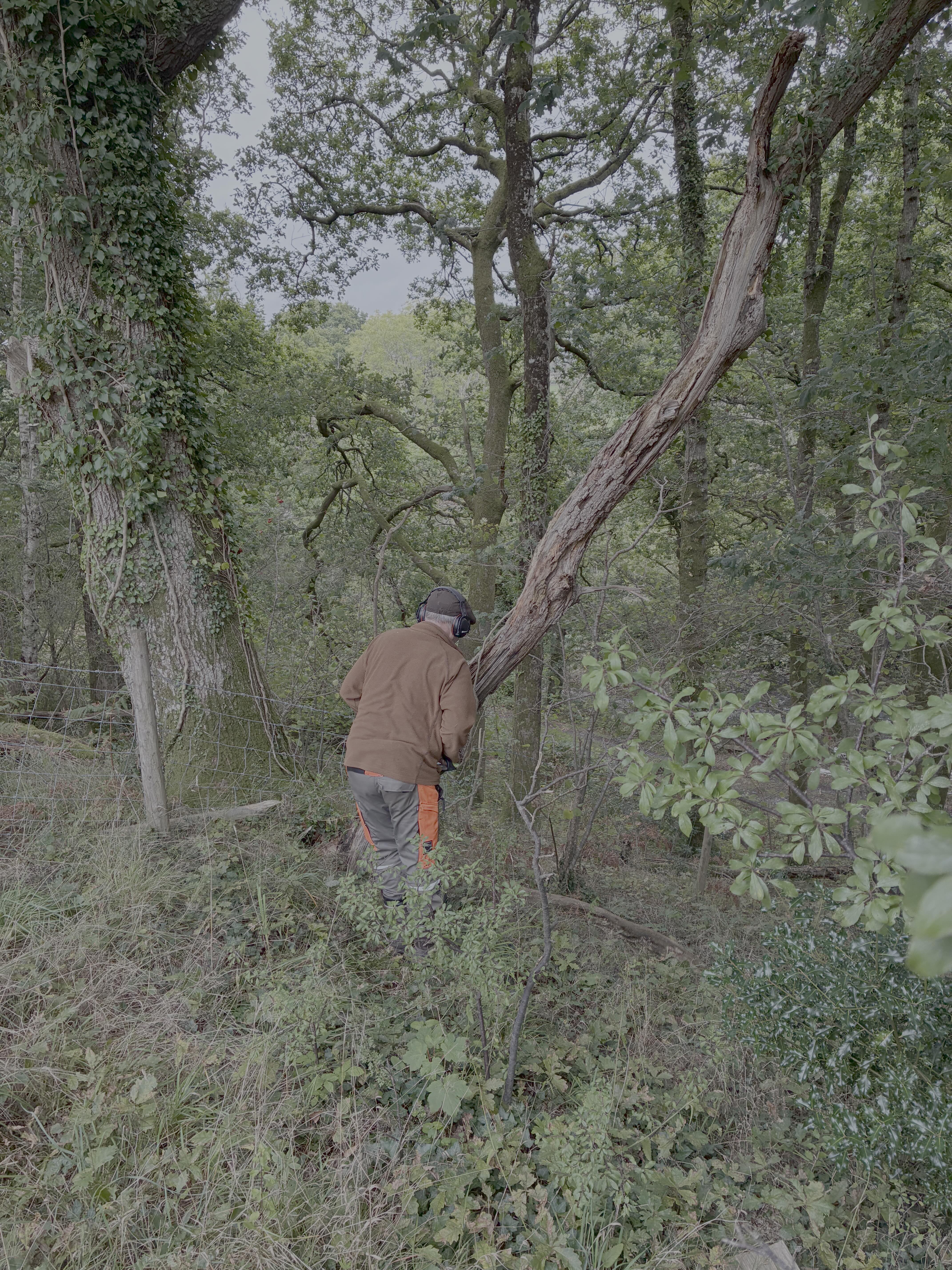
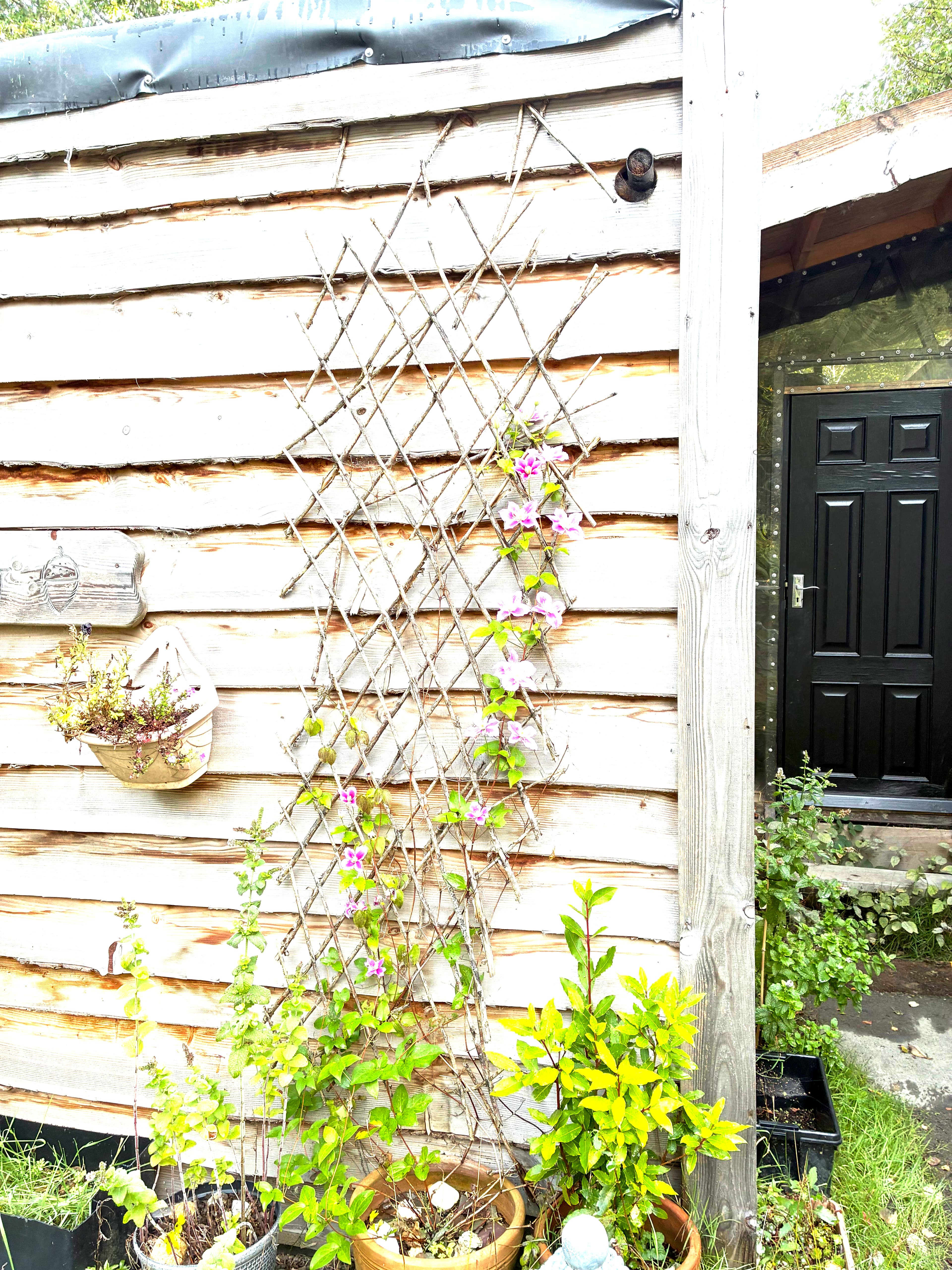
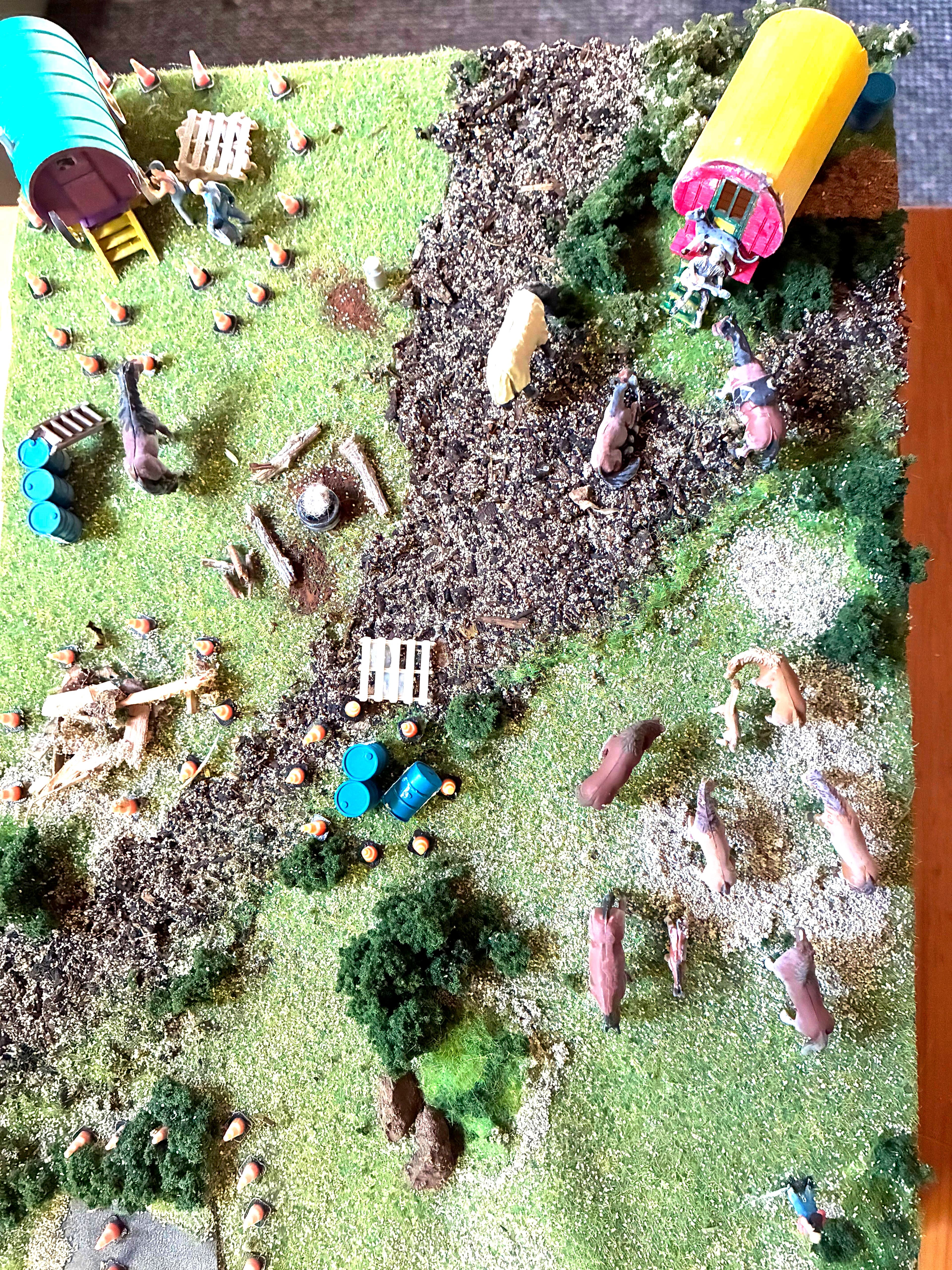
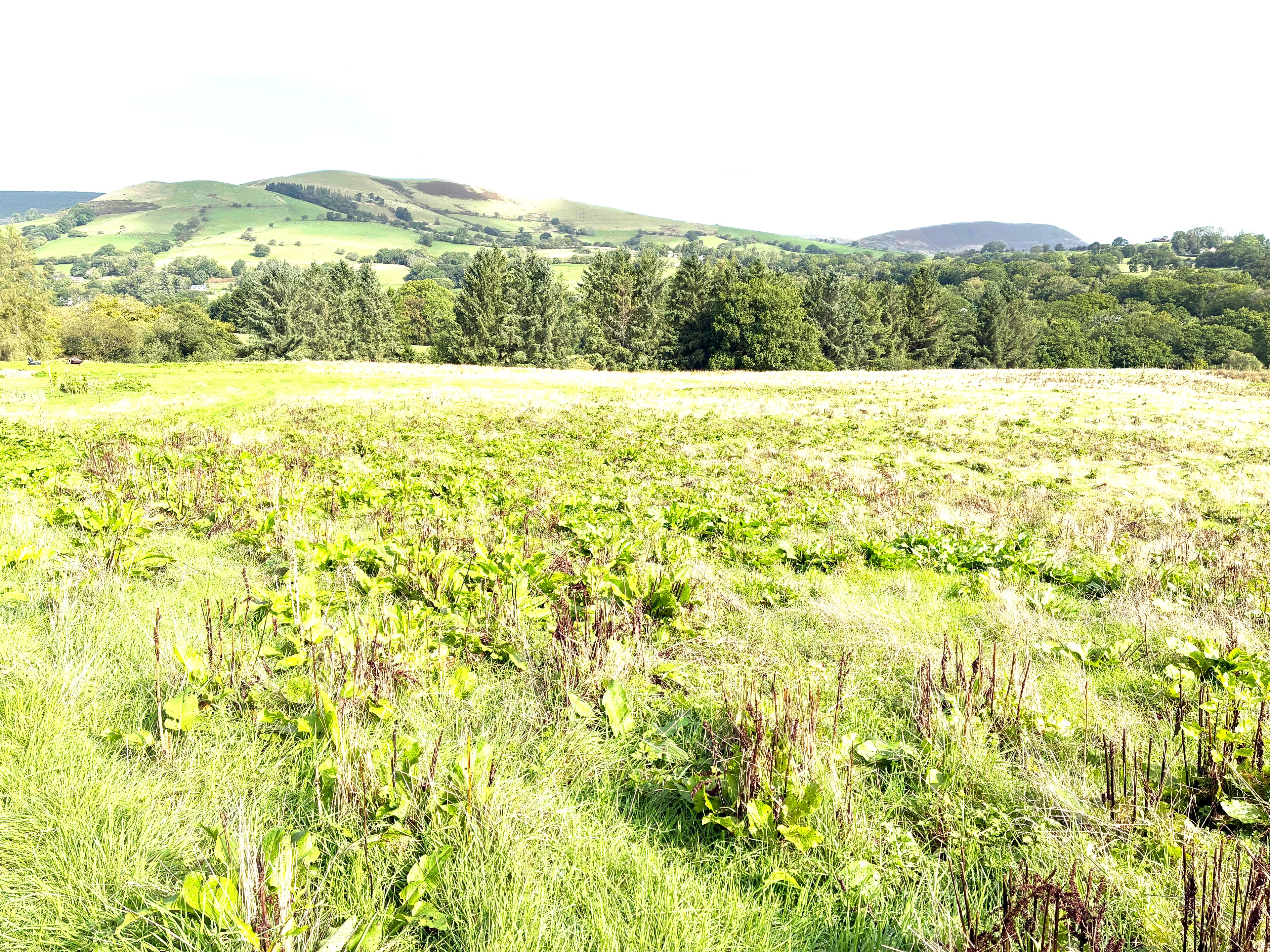
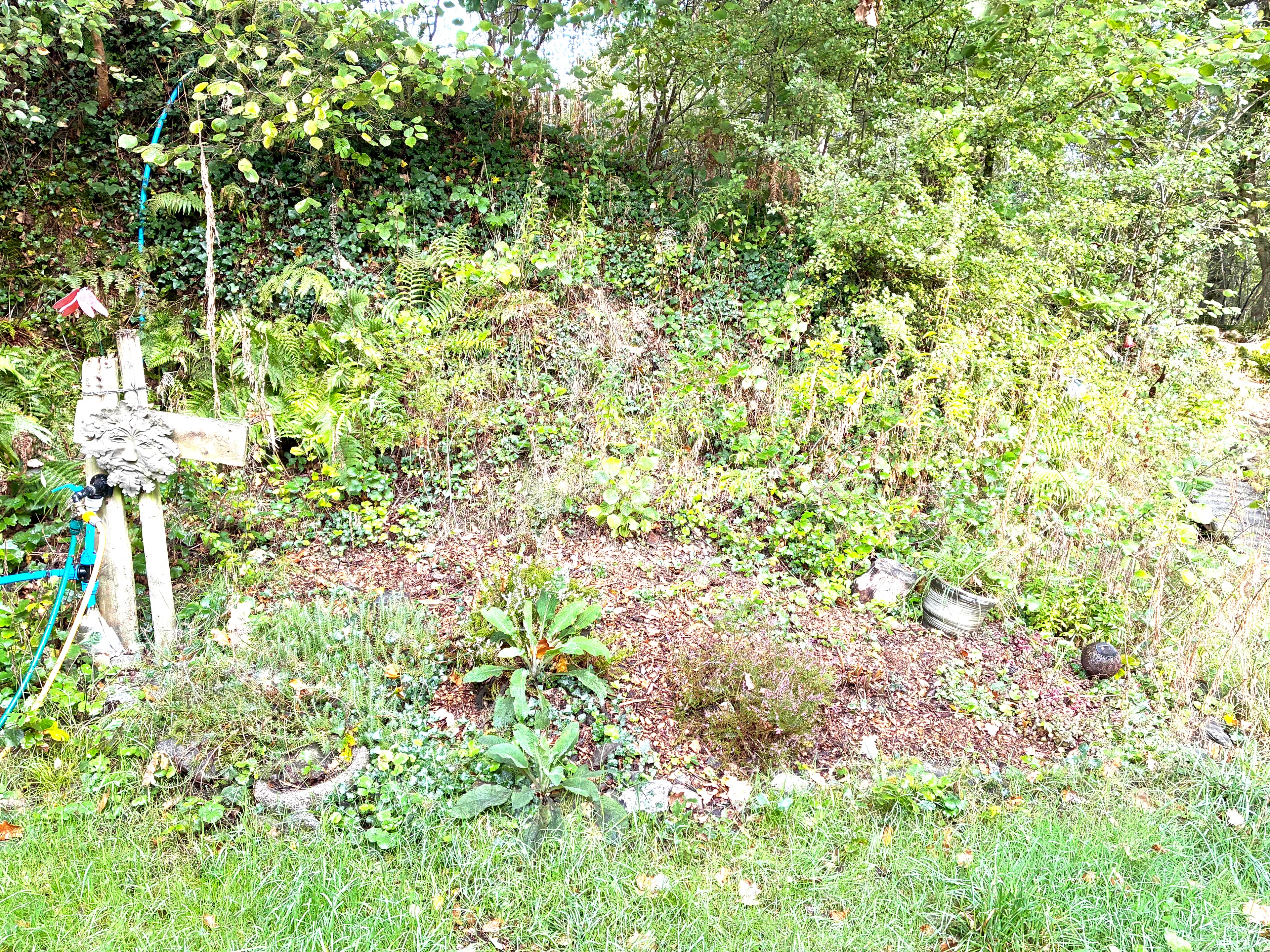
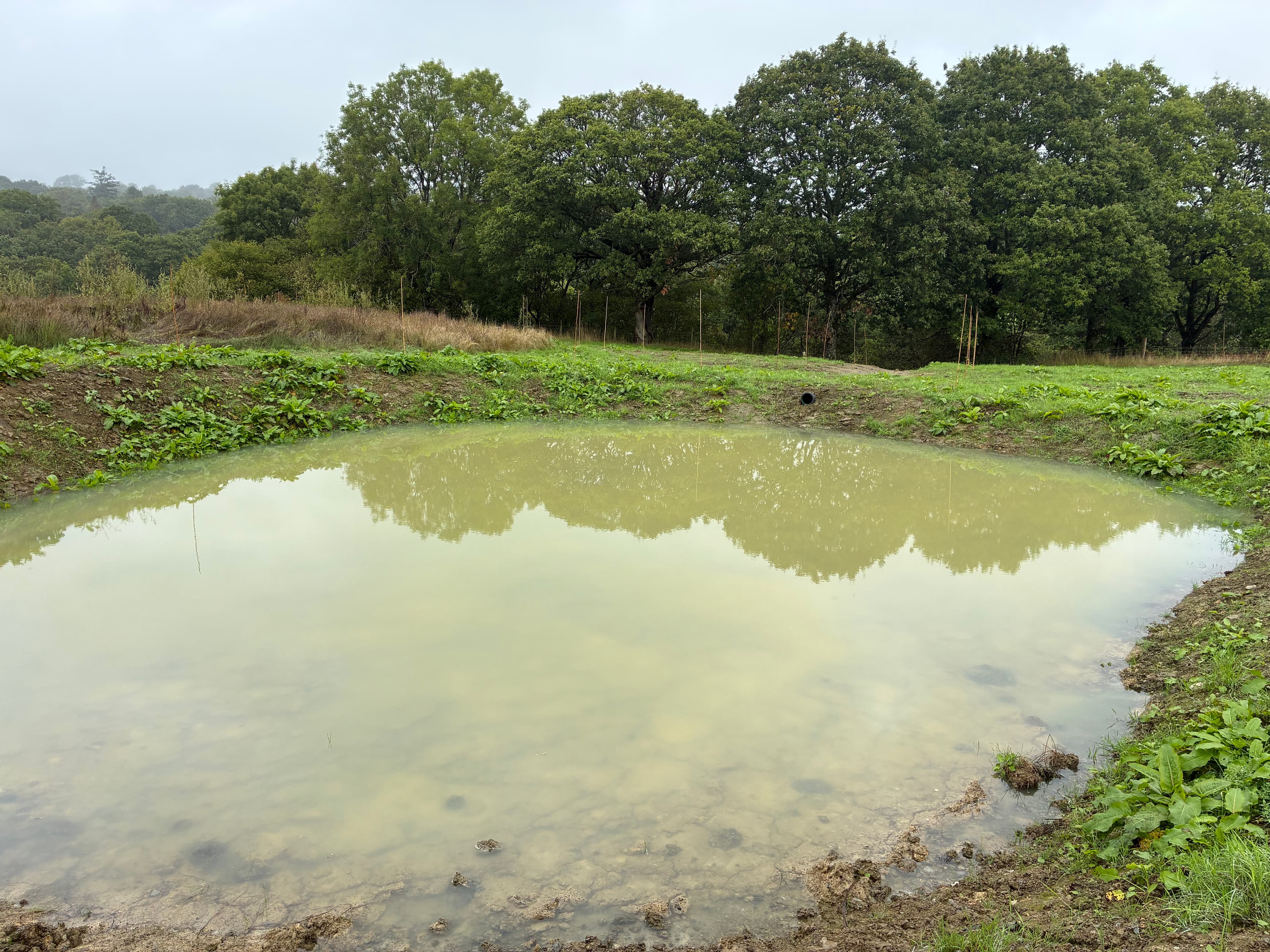
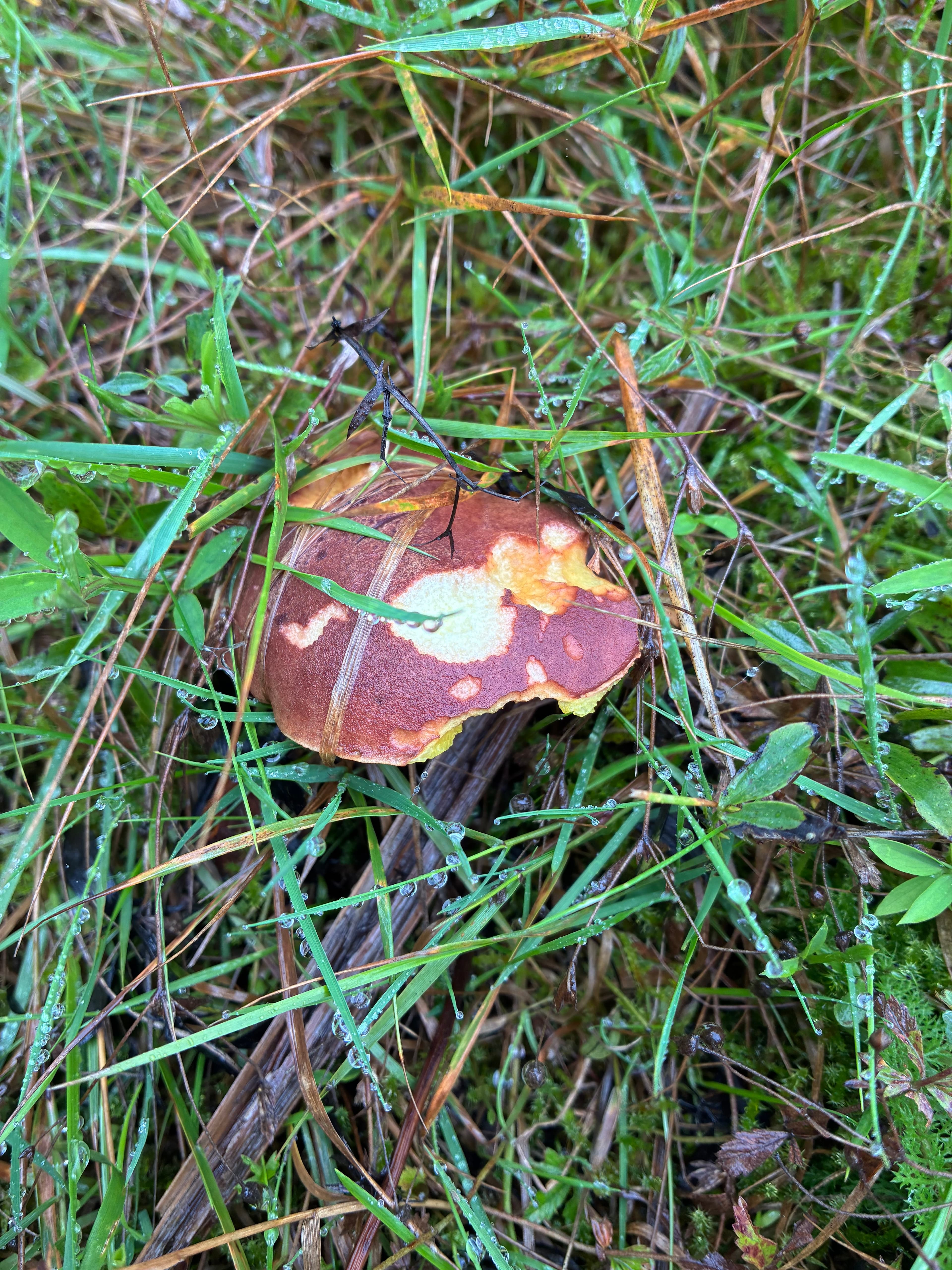
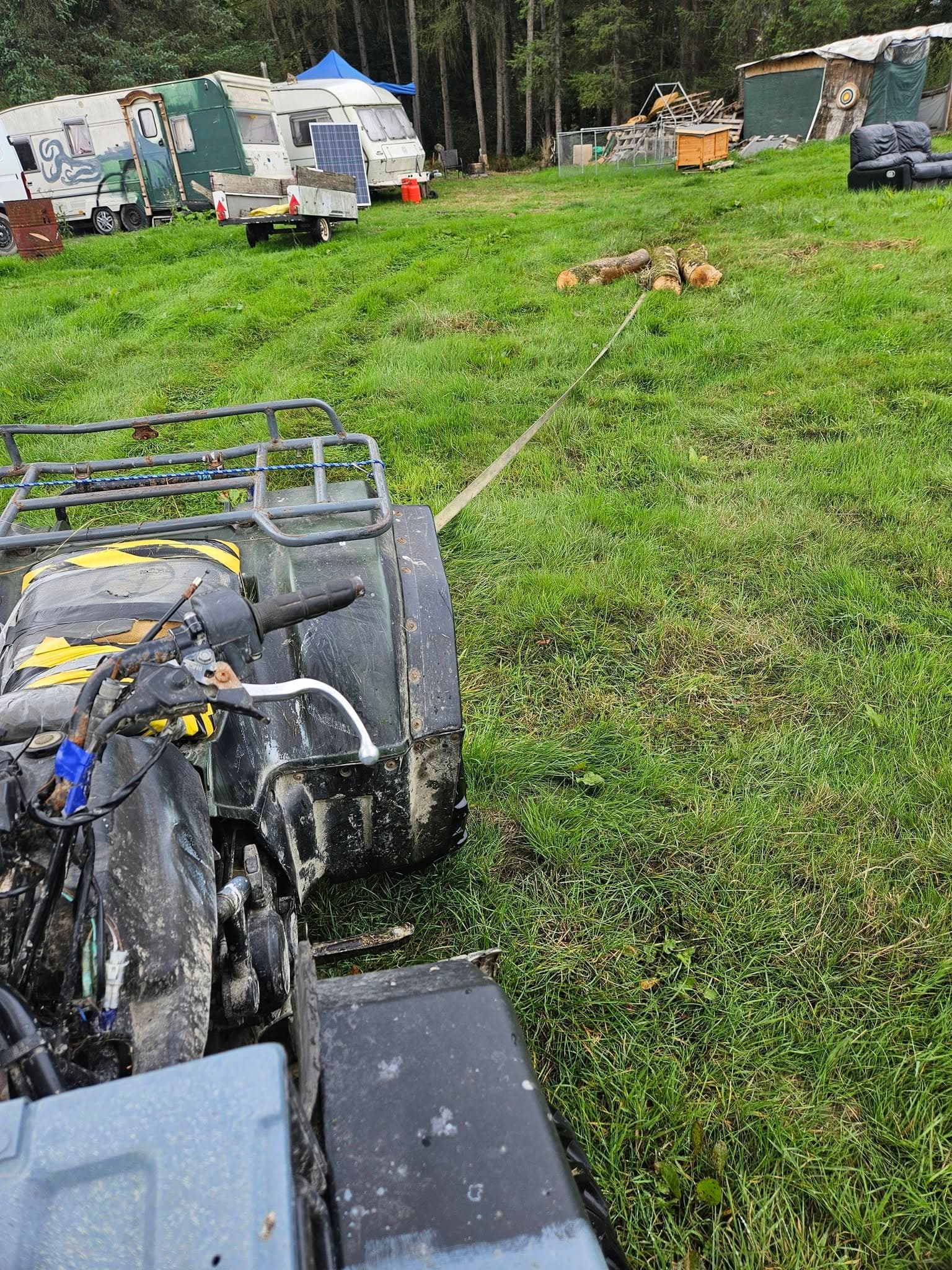
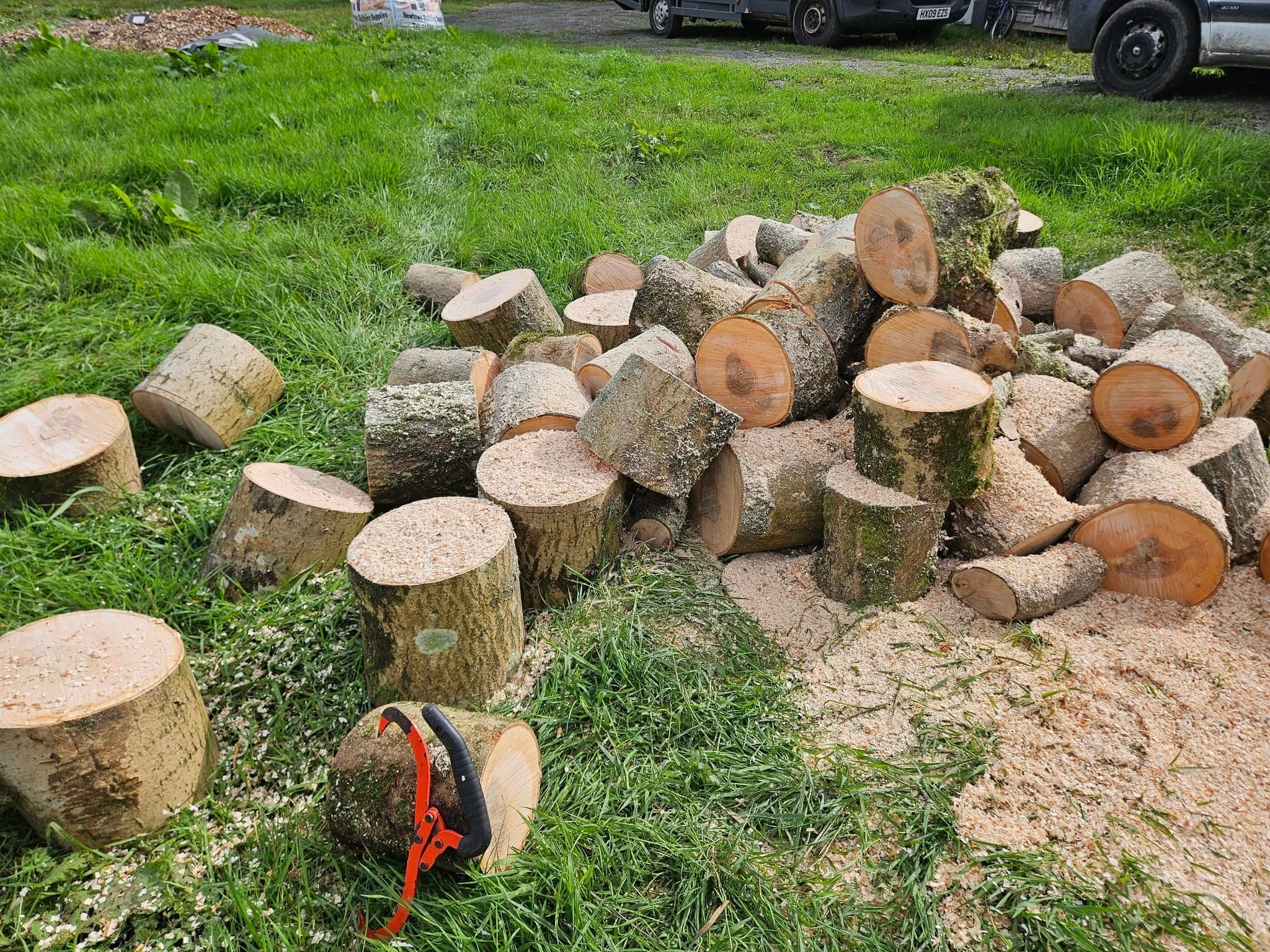
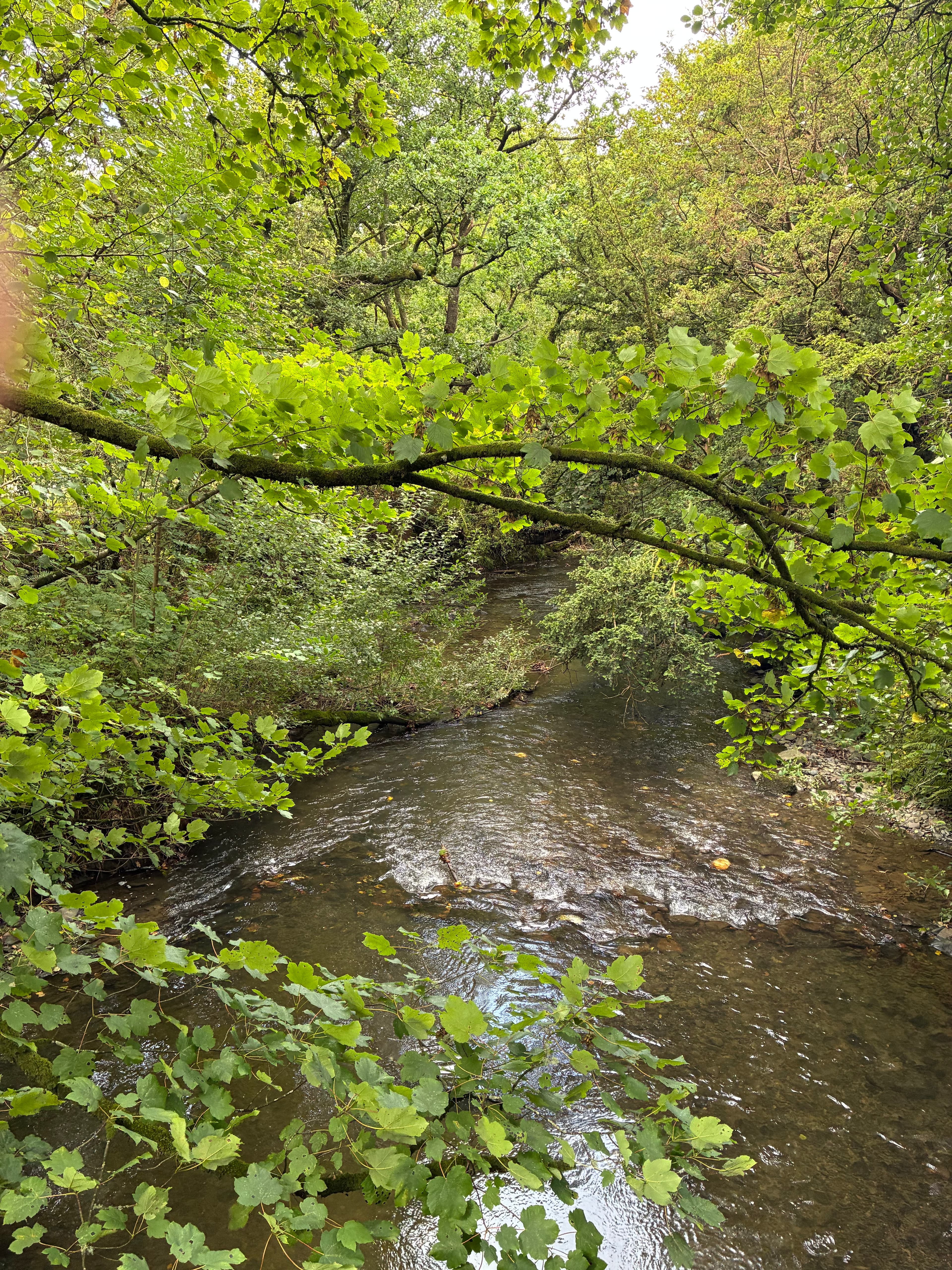
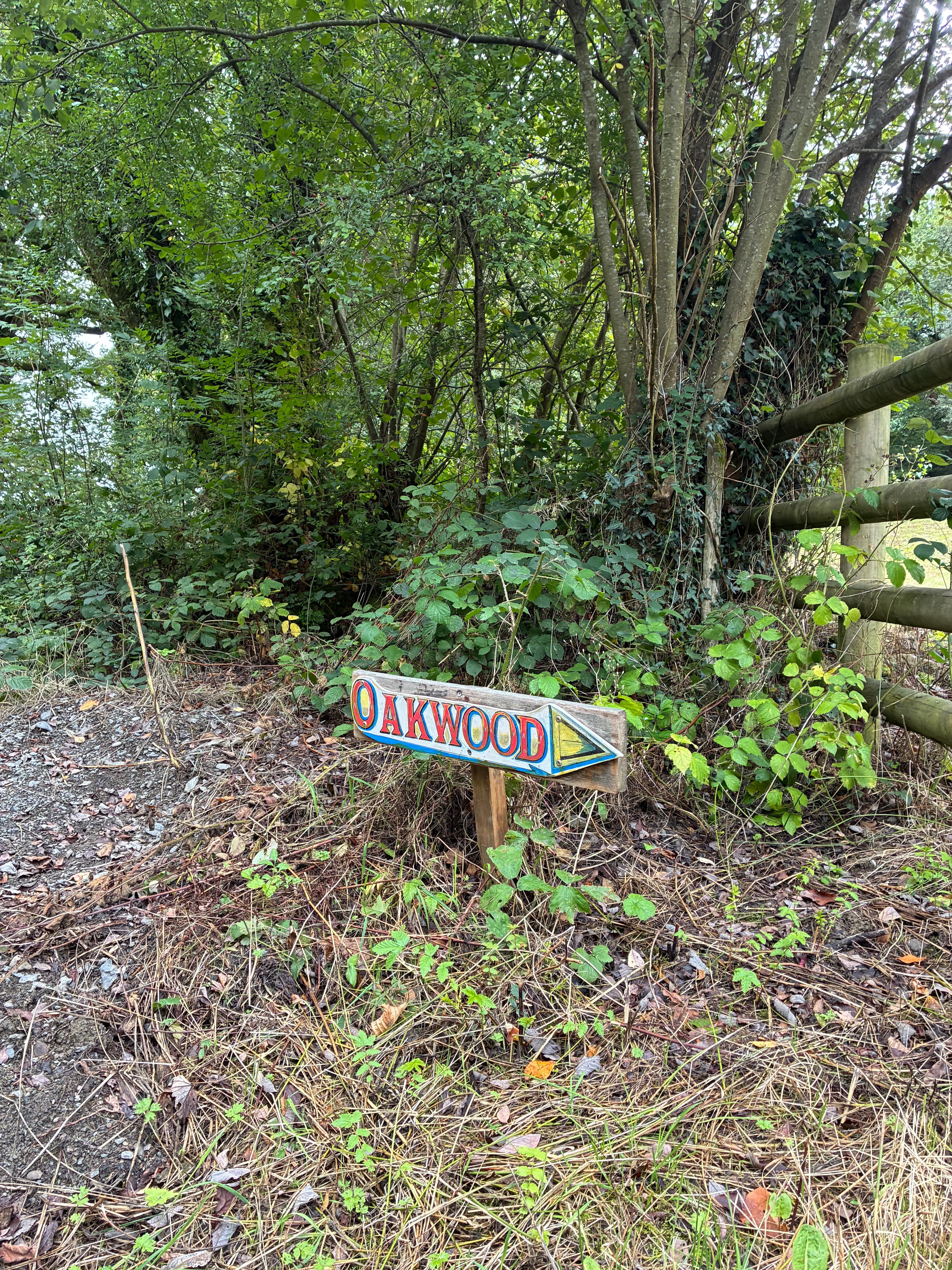
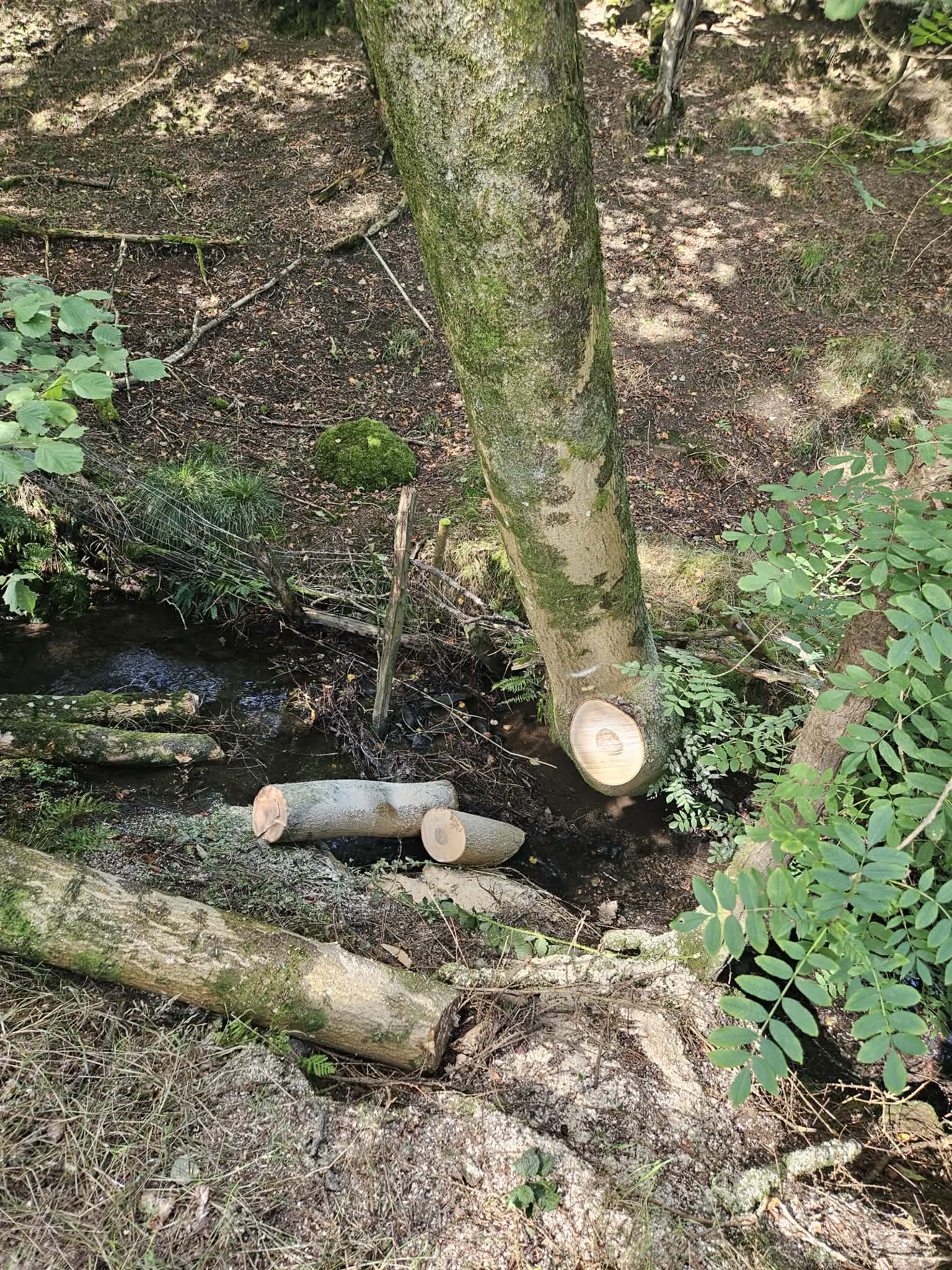
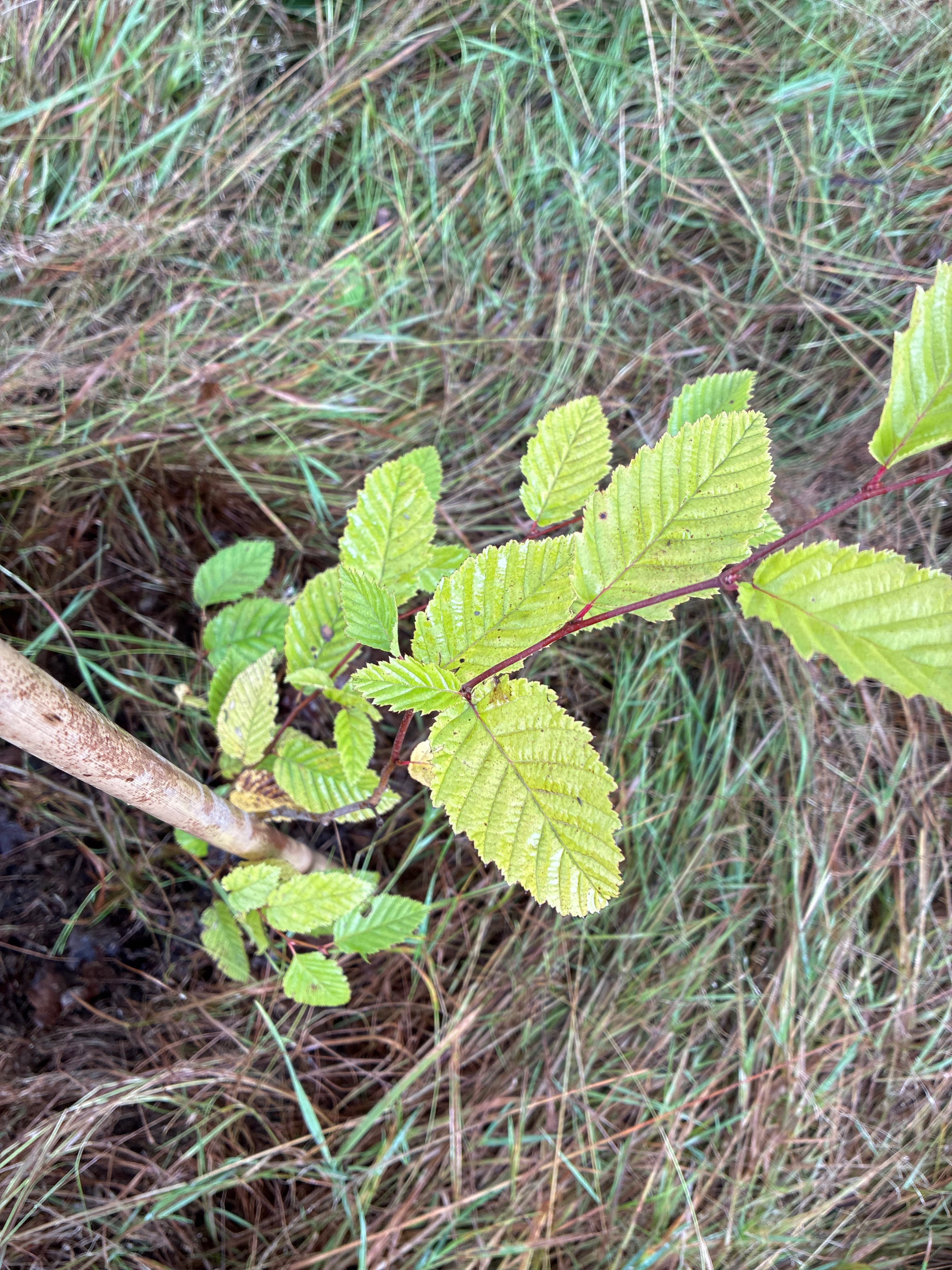
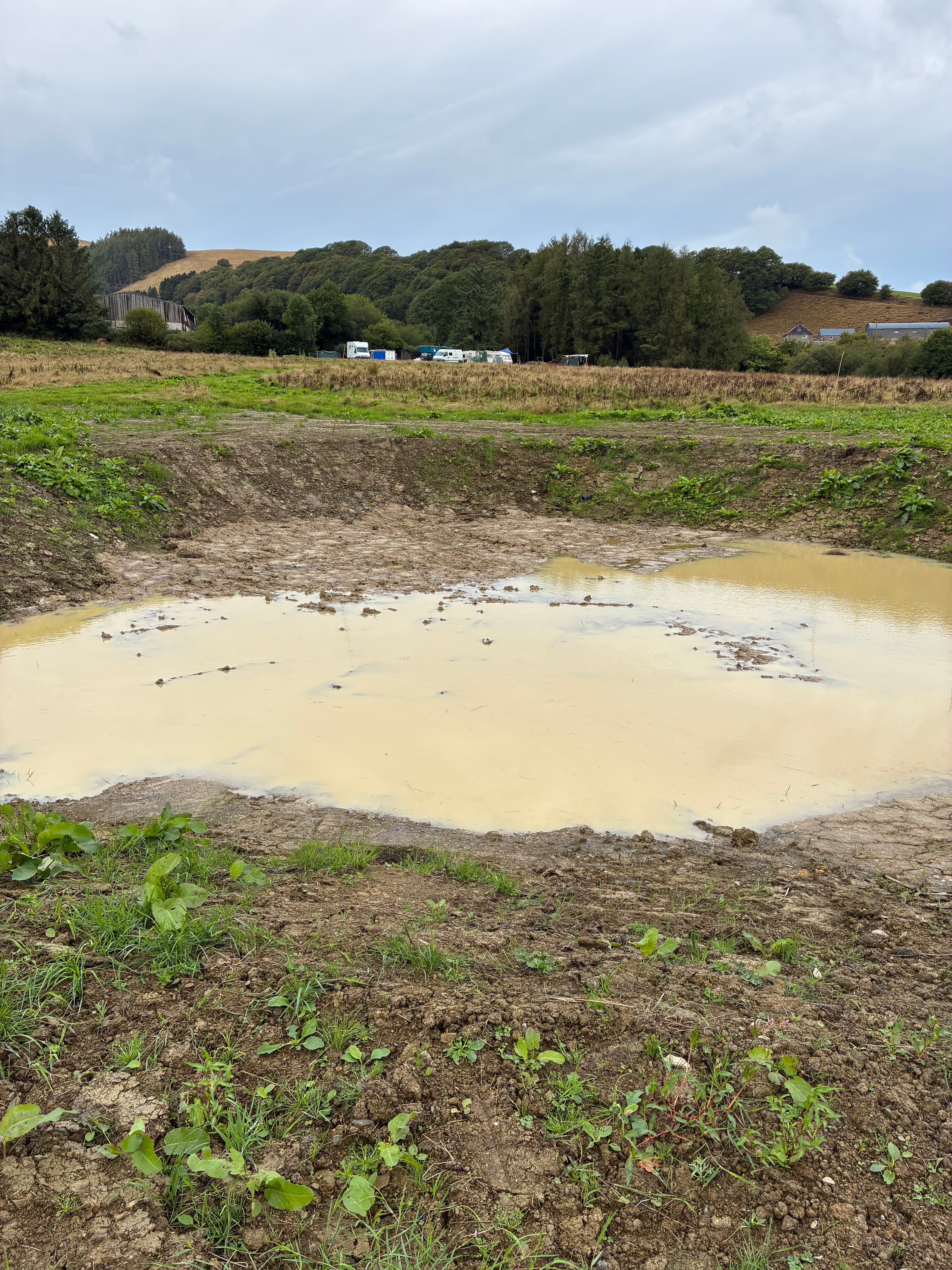
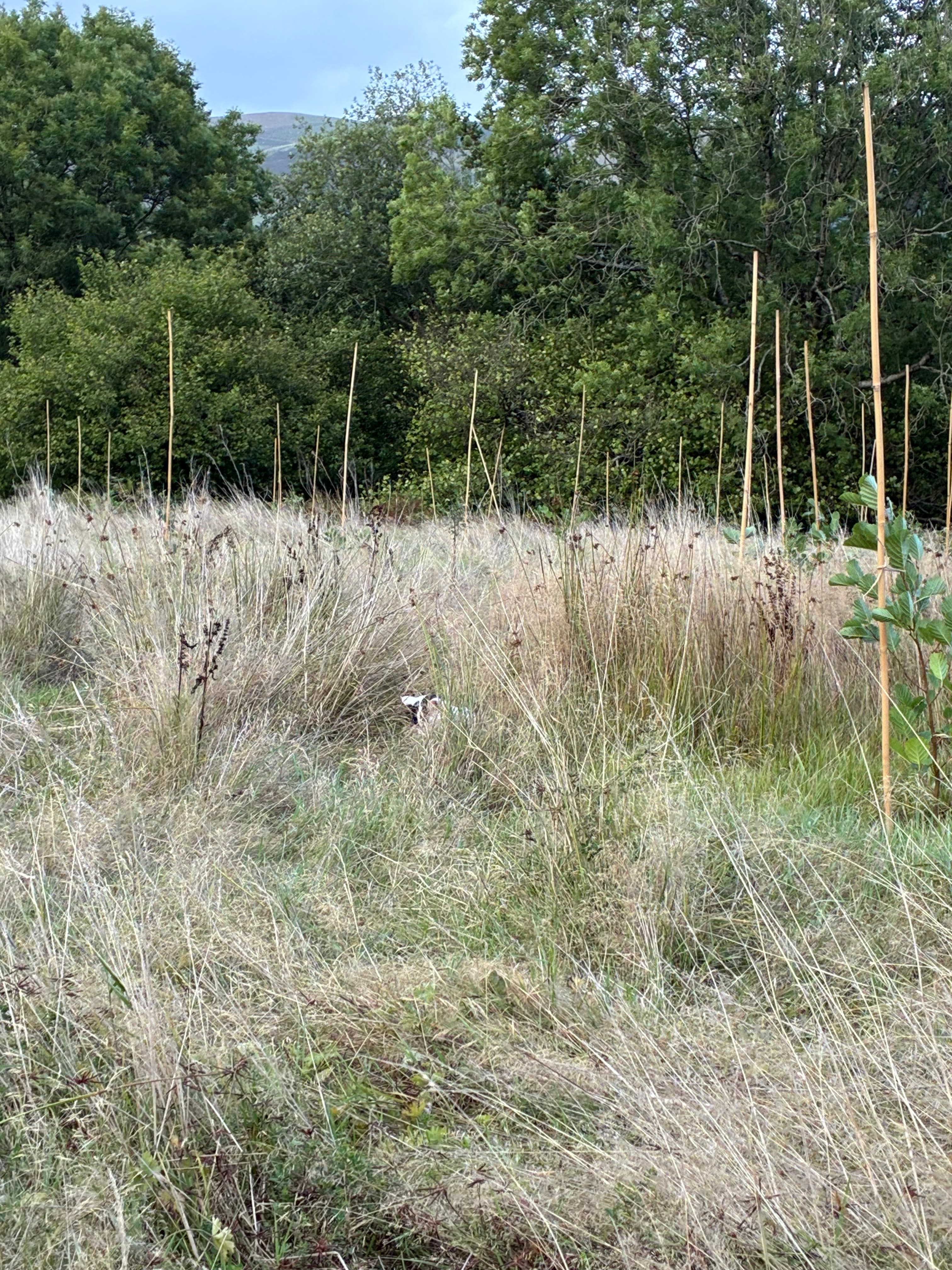
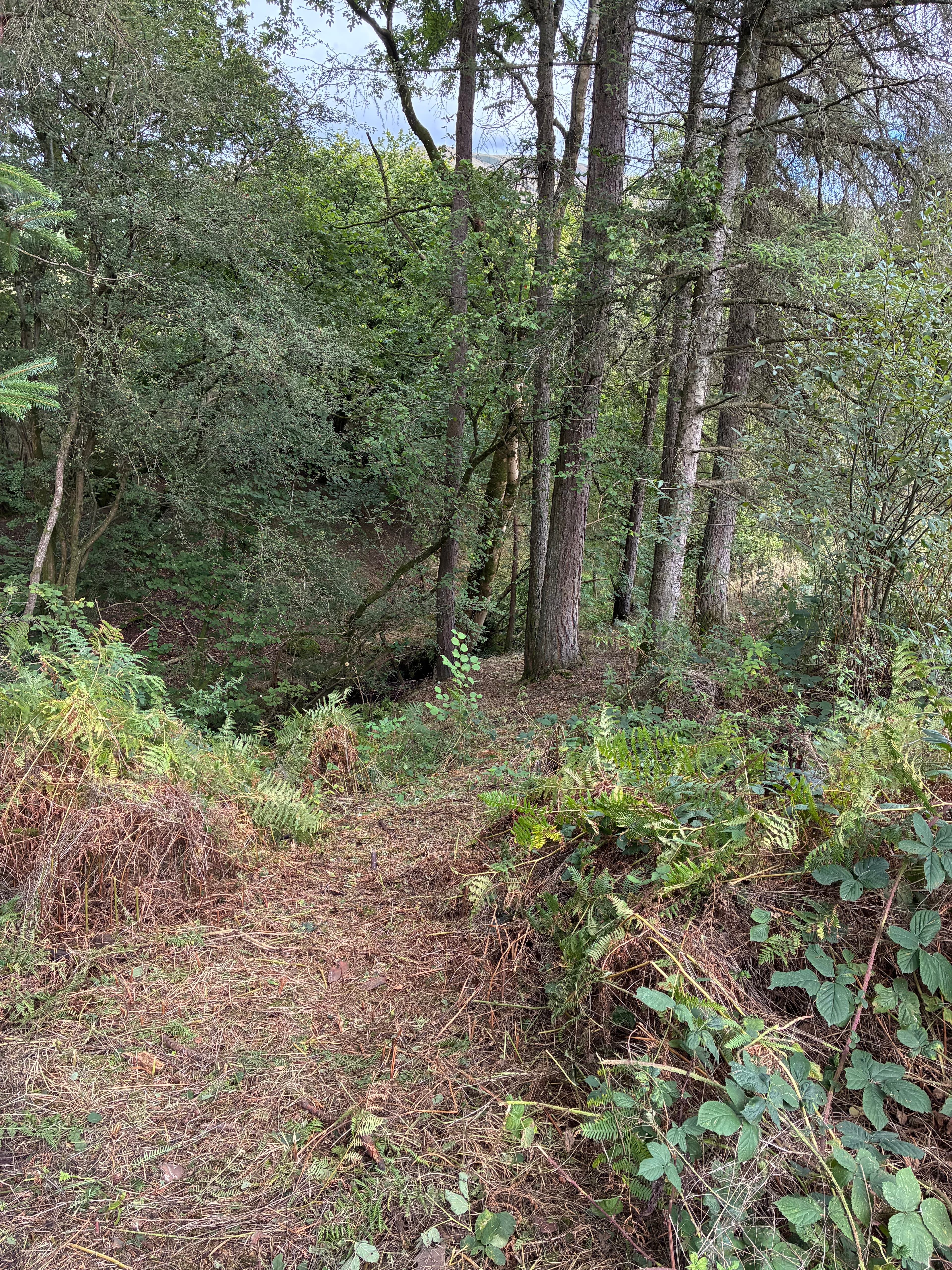
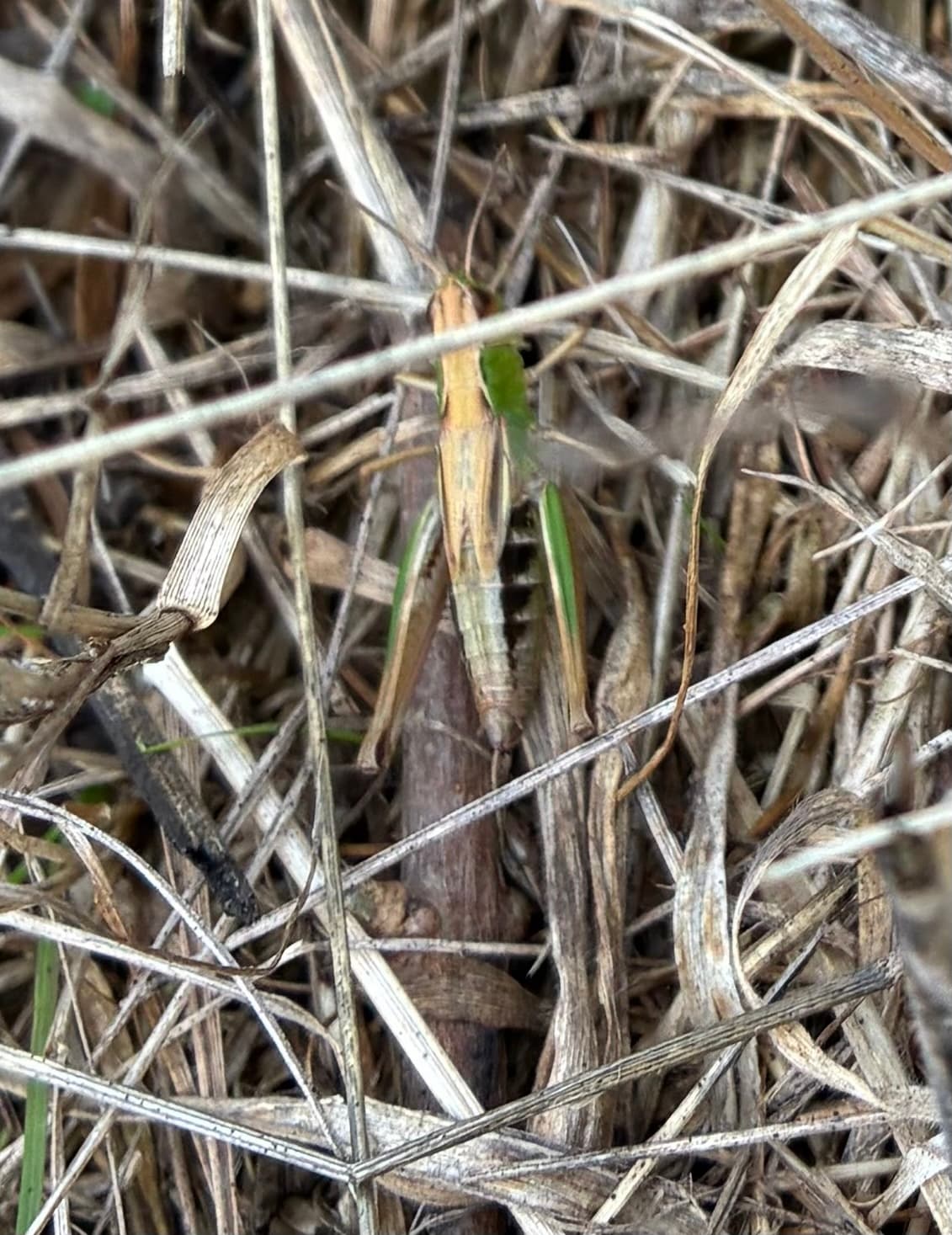
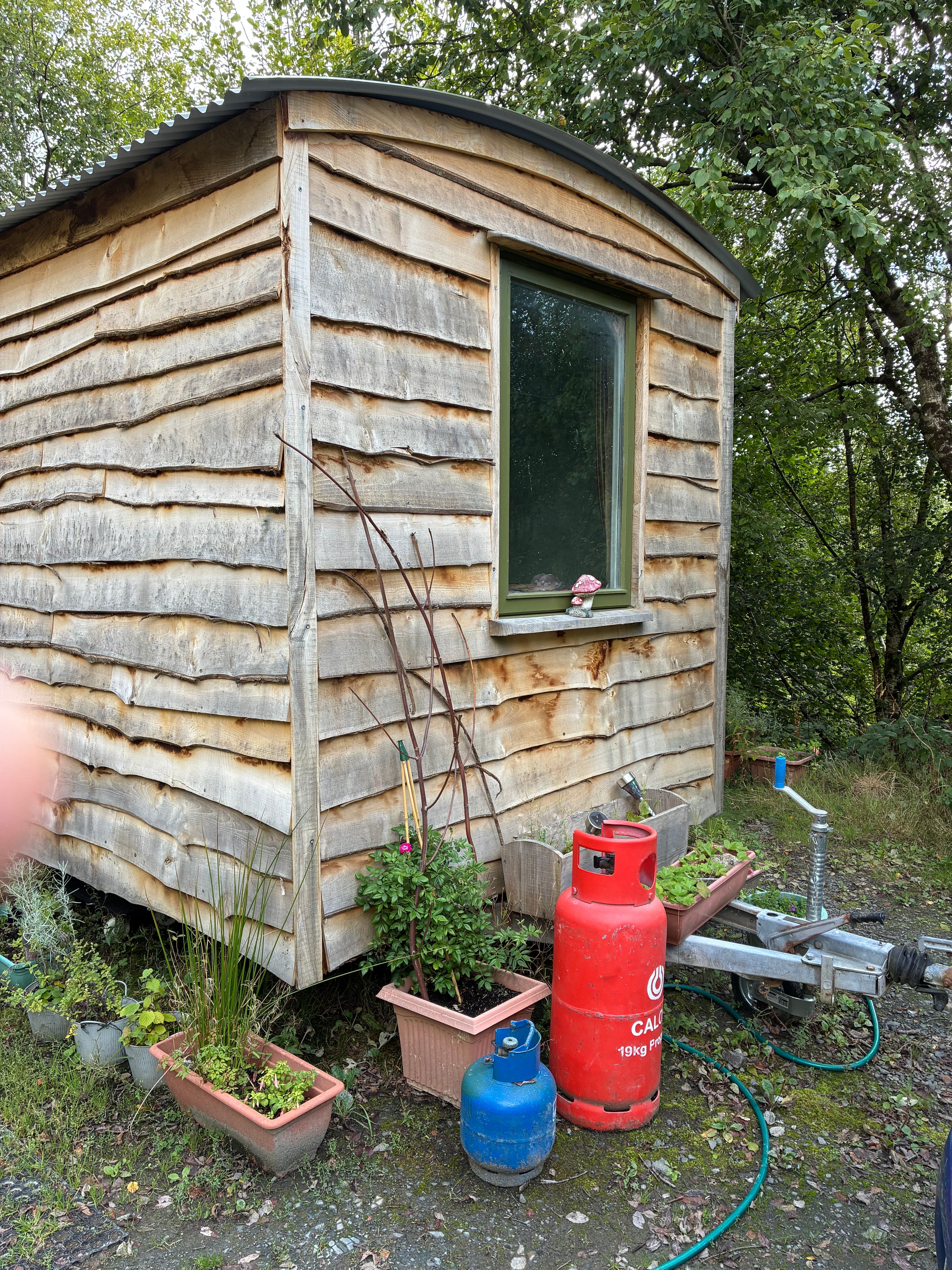
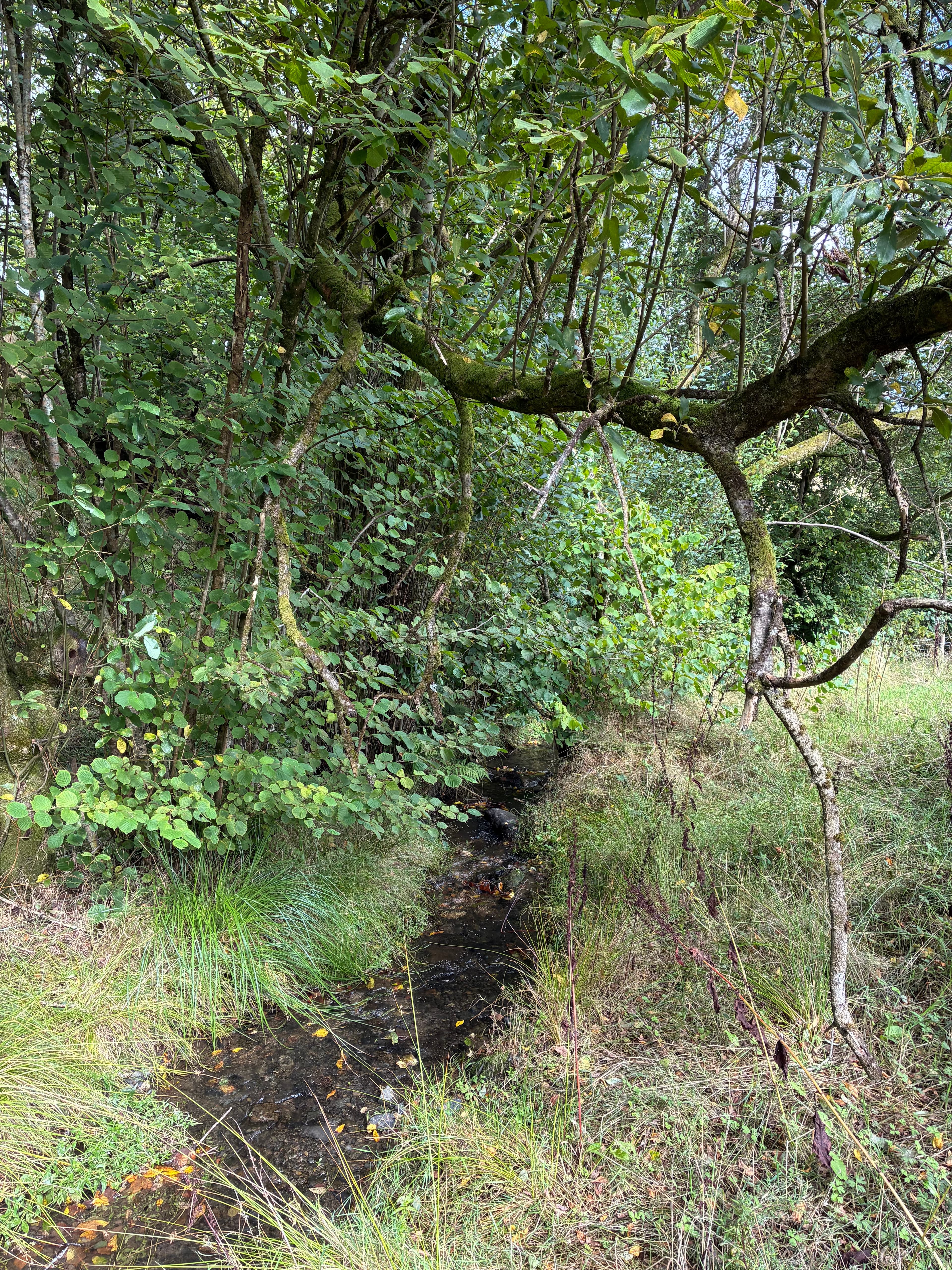
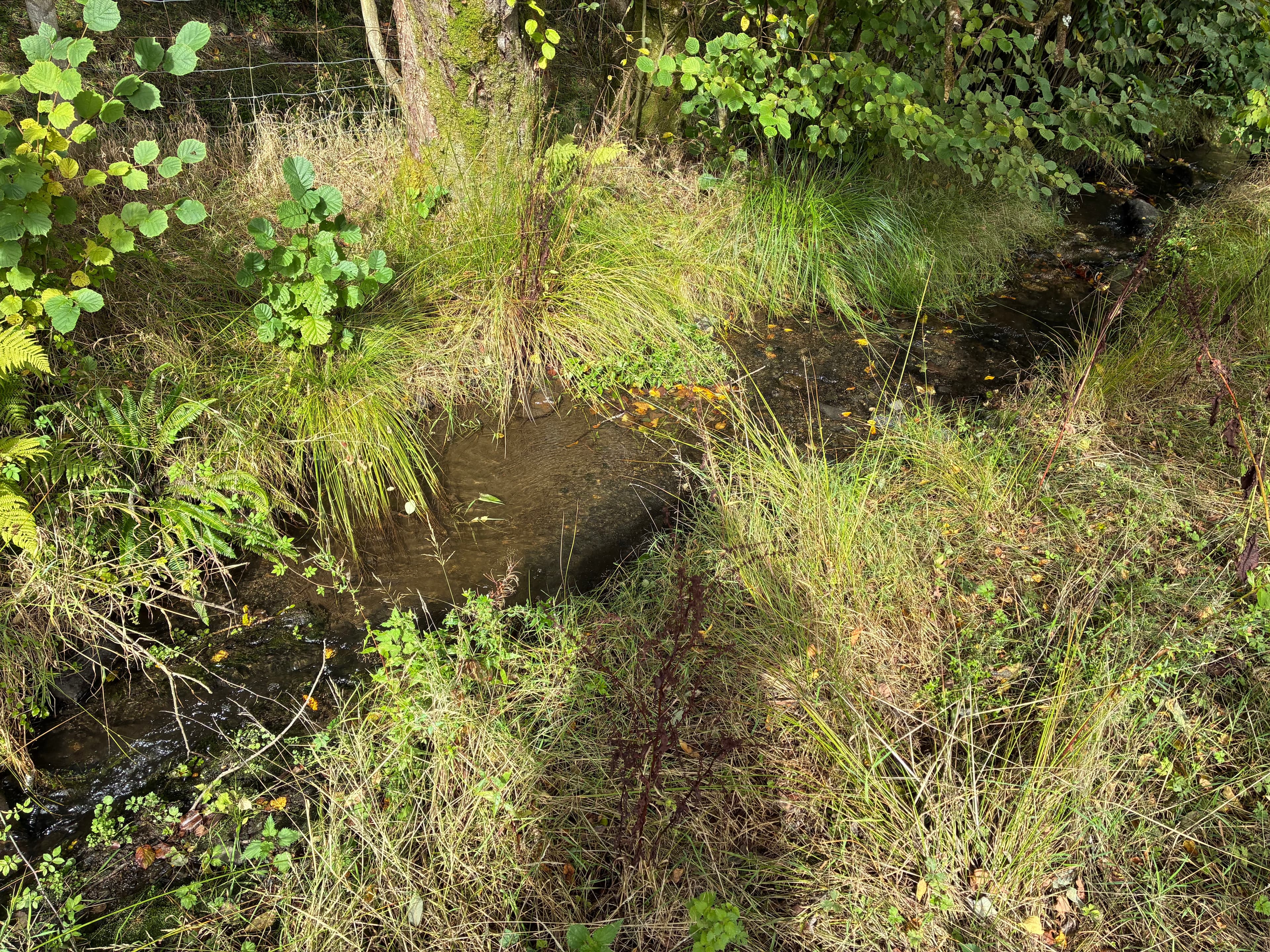
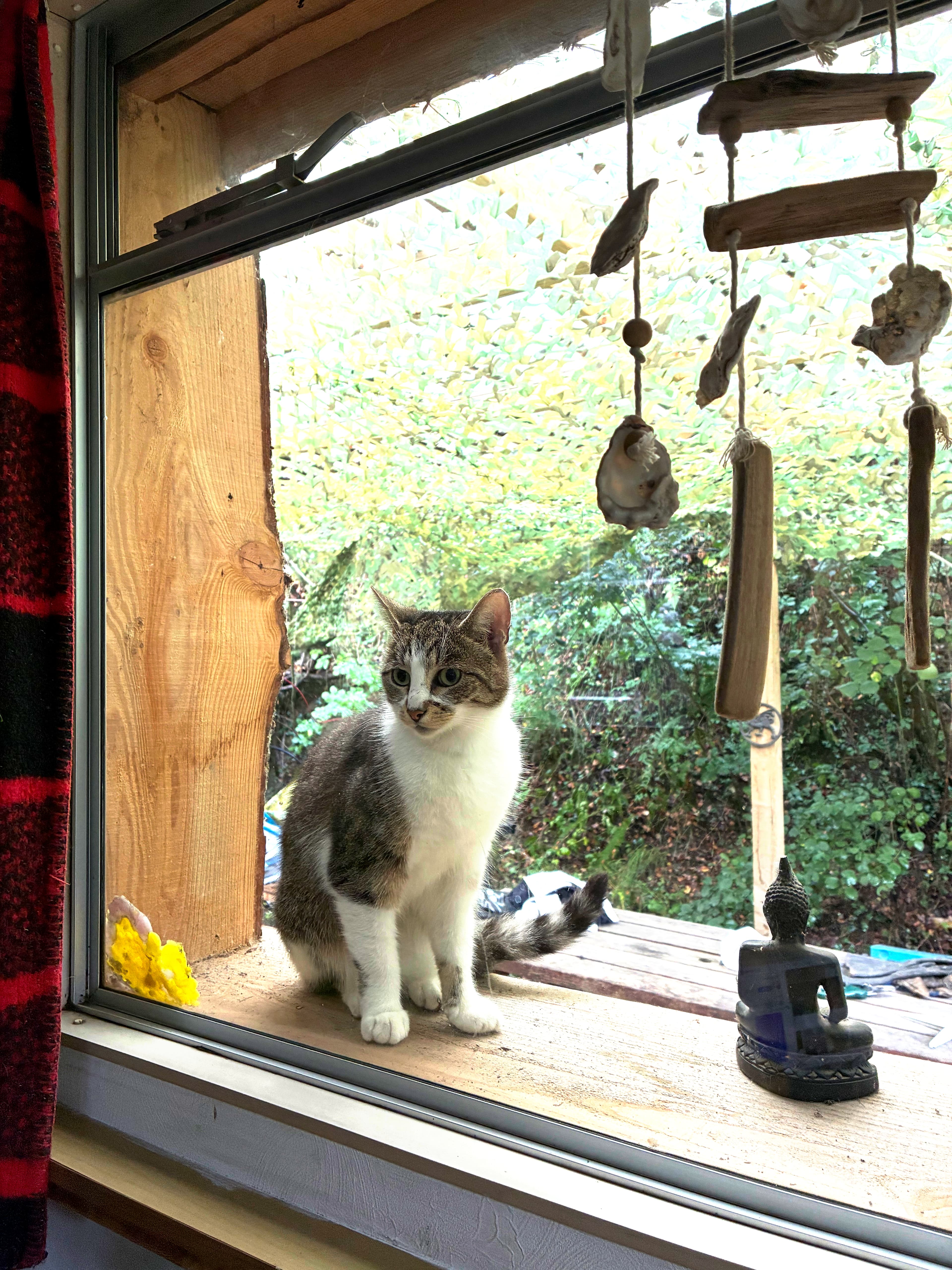
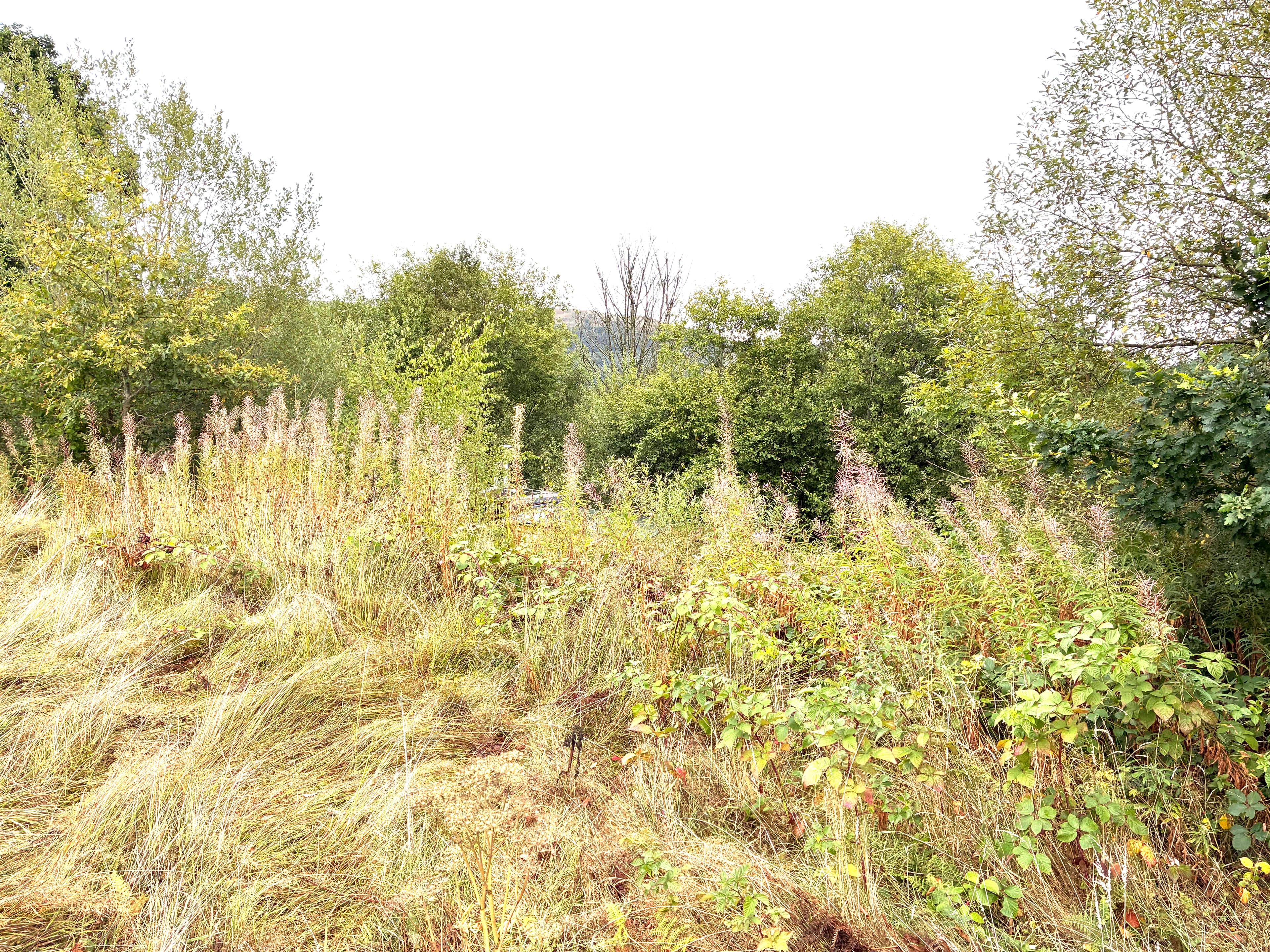
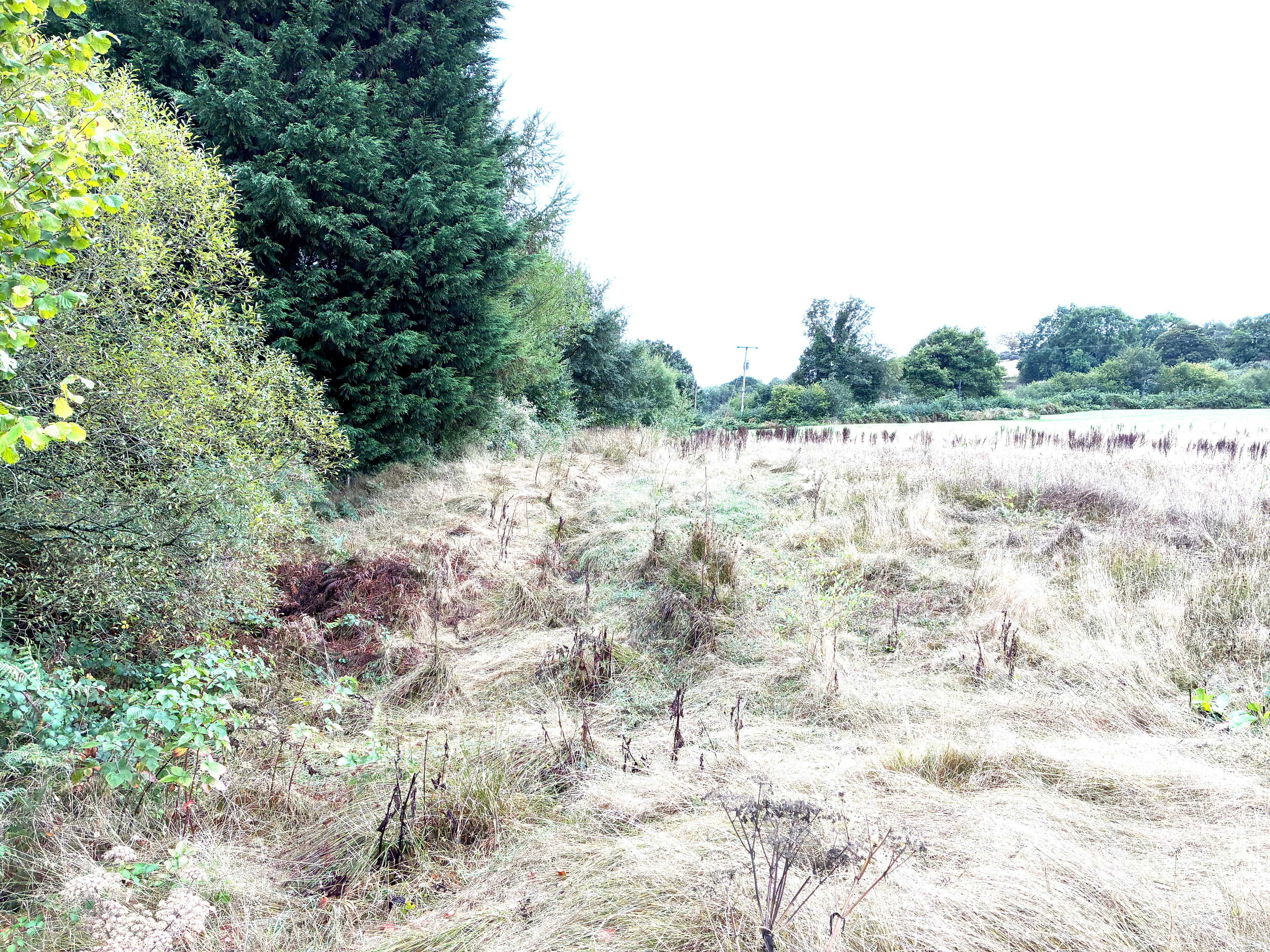
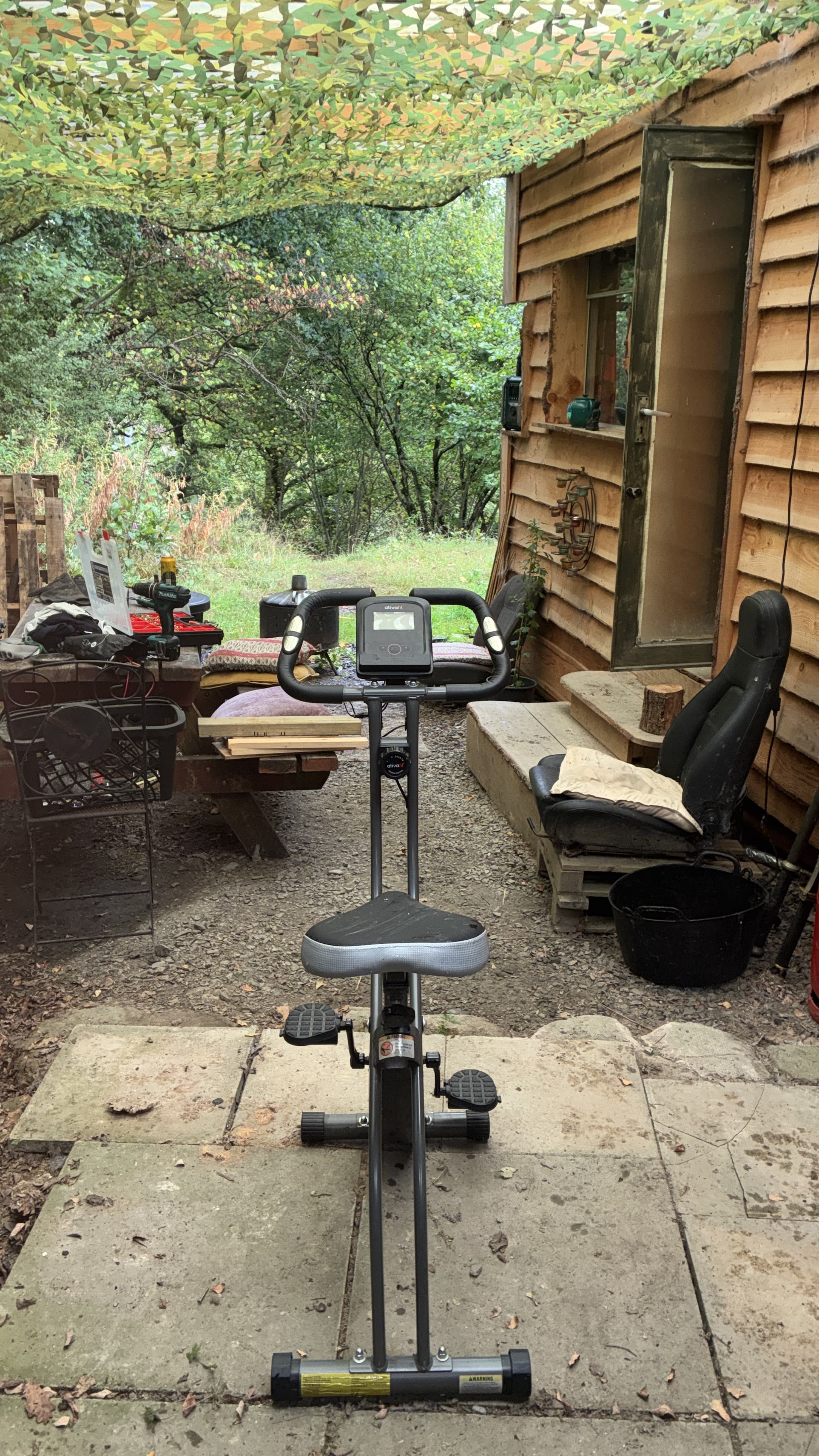
This is the continuing photographic record of Oakwood through September 2026. The latest photographs appear first, with earlier photographs from the month following below. More will be added as September progresses.

Overview
September marks the beginning of the autumn phase at Oakwood. Summer growth will begin to slow, many plants will be producing mature seed and the first signs of seasonal dieback should appear. The emphasis can now move away from intensive vegetation control and towards seed dispersal, habitat management, monitoring and preparation for winter tree planting.
Intervention should remain selective. Areas that are developing successfully through natural succession should increasingly be left alone, while effort is concentrated on young trees, useful seed sources, paths and areas where a small amount of management can increase diversity.
Priority 1
Dock Management
The main dock battle should now be largely over.
Continue checking for:
- Late seed heads
- Plants that have re-flowered
- Overlooked mature seed heads beside paths and young trees
- Dense areas where dock is suppressing newly established trees
Remove ripe seed heads where practical, but there is no need to cut the whole plant.
Allow leaves and stems to die back naturally and return nutrients to the soil.
Avoid digging established dock unless there is a specific reason to remove an individual plant, as soil disturbance may expose further dormant seed.
Priority 2
Bracken
Begin reducing active bracken management as the plants naturally enter autumn decline.
Continue crushing or cutting only where bracken is:
- Smothering young trees
- Blocking paths
- Invading newly developing meadow areas
- Preventing access for autumn planting work
Once fronds begin yellowing and dying back, leave them to collapse naturally.
Use September to identify the patches that will need renewed attention next spring rather than trying to eliminate them now.
Priority 3
Young Trees
Carry out an autumn inspection of planted and naturally regenerated trees.
Check:
- Oak
- Birch
- Hazel
- Willow
- Hornbeam
- Hawthorn
- Ash
- Maple
- Siberian pine
- Horse chestnut
- Fruit trees
Look particularly for damaged guards, rubbing stakes, broken branches and trees disappearing beneath late-season vegetation.
Maintain a small clear area immediately around vulnerable planted trees where necessary, but continue allowing naturally regenerated trees to compete unless there is obvious suppression.
Mulch where useful, particularly around recently planted or weaker specimens.
Water only if dry conditions continue.
Priority 4
Winter Woodland Planting
Finalise the winter woodland expansion plan.
Identify and mark planting locations for:
- The planned maple copse
- Additional oak
- Hazel
- Willow
- Hawthorn
- Blackthorn
- Fruit and cider trees
- Any Woodland Trust or other donated trees that become available
Allow existing natural regeneration to influence the layout rather than planting rigid blocks.
The aim should be irregular woodland edges, glades and patches of scrub rather than evenly spaced forestry.
Begin planting later in autumn once trees are dormant and soil moisture has properly returned.
Priority 5
Seed Collection and Distribution
September should be one of the main seed months.
Collect mature seed from suitable plants around Oakwood, including where available:
- Common knapweed
- Greater bird's-foot trefoil
- Yarrow
- Teasel
- Meadowsweet
- Wild angelica
- Fireweed
- Thistles
- Sorrel
- Other successful native wildflowers
Only collect a proportion of available seed. Leave plenty for birds, insects and natural dispersal.
Some seed can be stored somewhere cool and dry.
Other seed can be scattered immediately into suitable areas, particularly bare or disturbed ground around the former lake/Pond-da-Rosa area and thin patches within existing meadow.
Use seed gathered from Oakwood itself wherever possible. It is already proving that it likes the local conditions.
Priority 6
Pond-da-Rosa Area
Continue allowing the former lake area to develop through natural succession.
September provides a good opportunity to scatter locally collected seed across exposed or sparsely vegetated ground.
Suitable species may include:
- Teasel
- Greater bird's-foot trefoil
- Knapweed
- Yarrow
- Meadowsweet
- Wild angelica
- Fireweed
Match species approximately to conditions rather than trying to create a designed planting scheme. Meadowsweet and wild angelica belong towards damper ground, while knapweed, yarrow and trefoil can be concentrated on better-drained areas.
Monitor which species are colonising without assistance before adding too much.
If autumn rain refills any wet depressions, record how vegetation responds.
Priority 7
Meadow Management
Allow most meadow vegetation to continue standing while seeds mature.
Where an area has become heavily dominated by coarse grass, consider a small amount of selective cutting followed by removal of the cut material. This can gradually reduce fertility and create opportunities for wildflowers.
Do not cut everything.
Retain plenty of tall vegetation throughout winter for:
- Overwintering insects
- Spiders
- Small mammals
- Seed-eating birds
- Structural diversity
Experiment with managing different meadow patches differently rather than giving the whole field one treatment.
Priority 8
Woodland and Stream Edge
Continue observing the woodland and stream-edge succession beside the hardstanding.
Avoid unnecessary clearance.
Monitor:
- Alder
- Grey willow
- Ash
- Hazel
- Hawthorn
- Larch
- Spruce
- Ferns
- Bramble
- Ivy
- Wet-ground vegetation
Keep paths usable and prevent bramble or vigorous climbers from overwhelming young trees, but otherwise allow the layered woodland structure to develop.
Continue treating hemlock water-dropwort as a plant to observe rather than handle unnecessarily.
Priority 9
Orchard Development
Prepare for winter orchard planting.
Confirm the locations of existing fruit trees and identify gaps suitable for additional cider varieties.
Continue:
- Checking guards and stakes
- Maintaining mulch
- Preventing heavy grass growth immediately around trunks
- Recording which trees performed best during the dry summer
Finalise sourcing of suitable apple varieties, particularly vigorous cider or tart varieties on appropriate rootstocks.
Avoid planting merely to fill space. The orchard can remain loose and integrated into the wider rewilding landscape.
Priority 10
Wood Chip and Deadwood
Continue using wood chip selectively around:
- Planted trees
- Orchard trees
- Paths
- Woodland edges
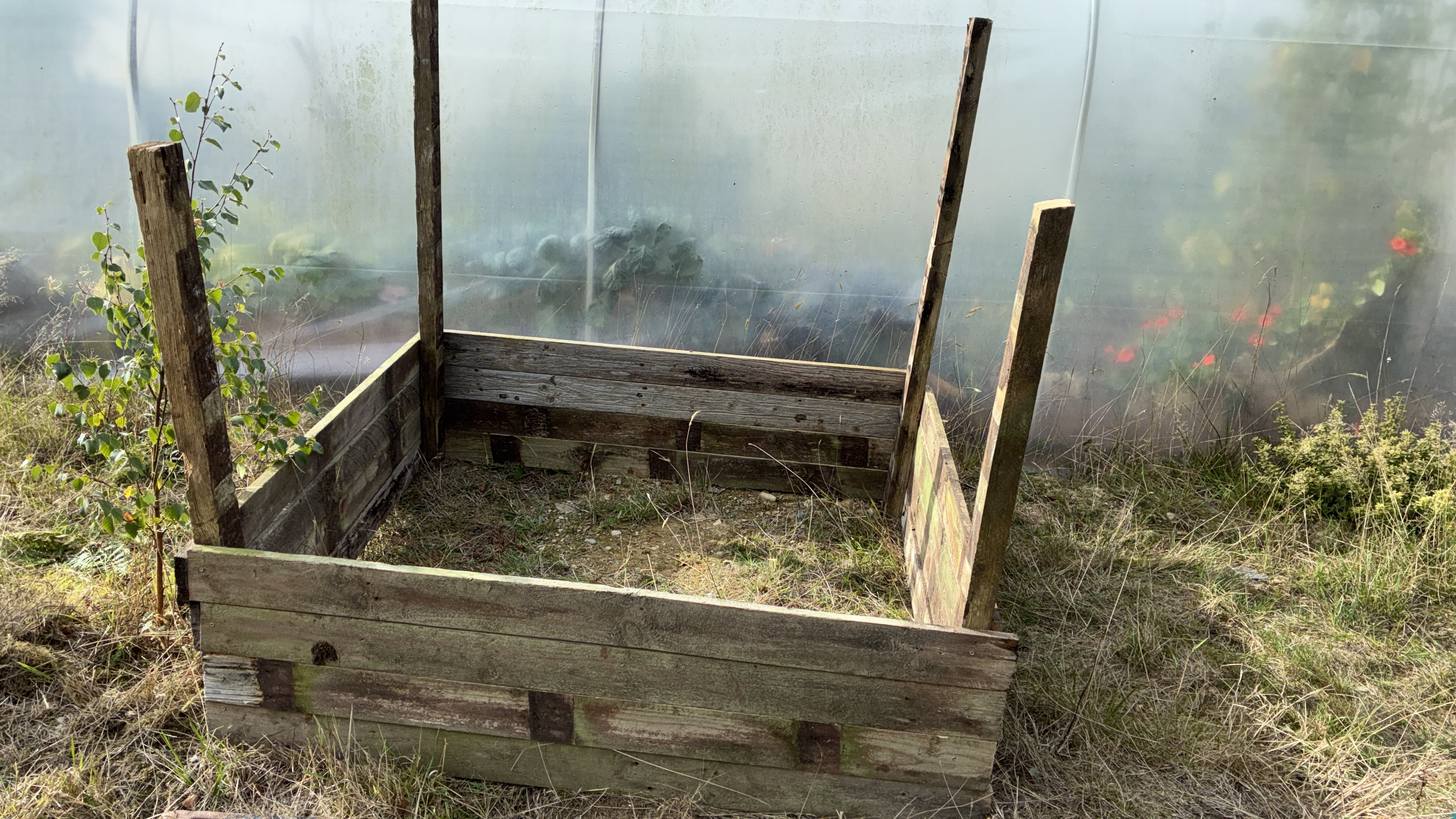
- Polytunnel areas
Do not mulch naturally regenerating areas indiscriminately.
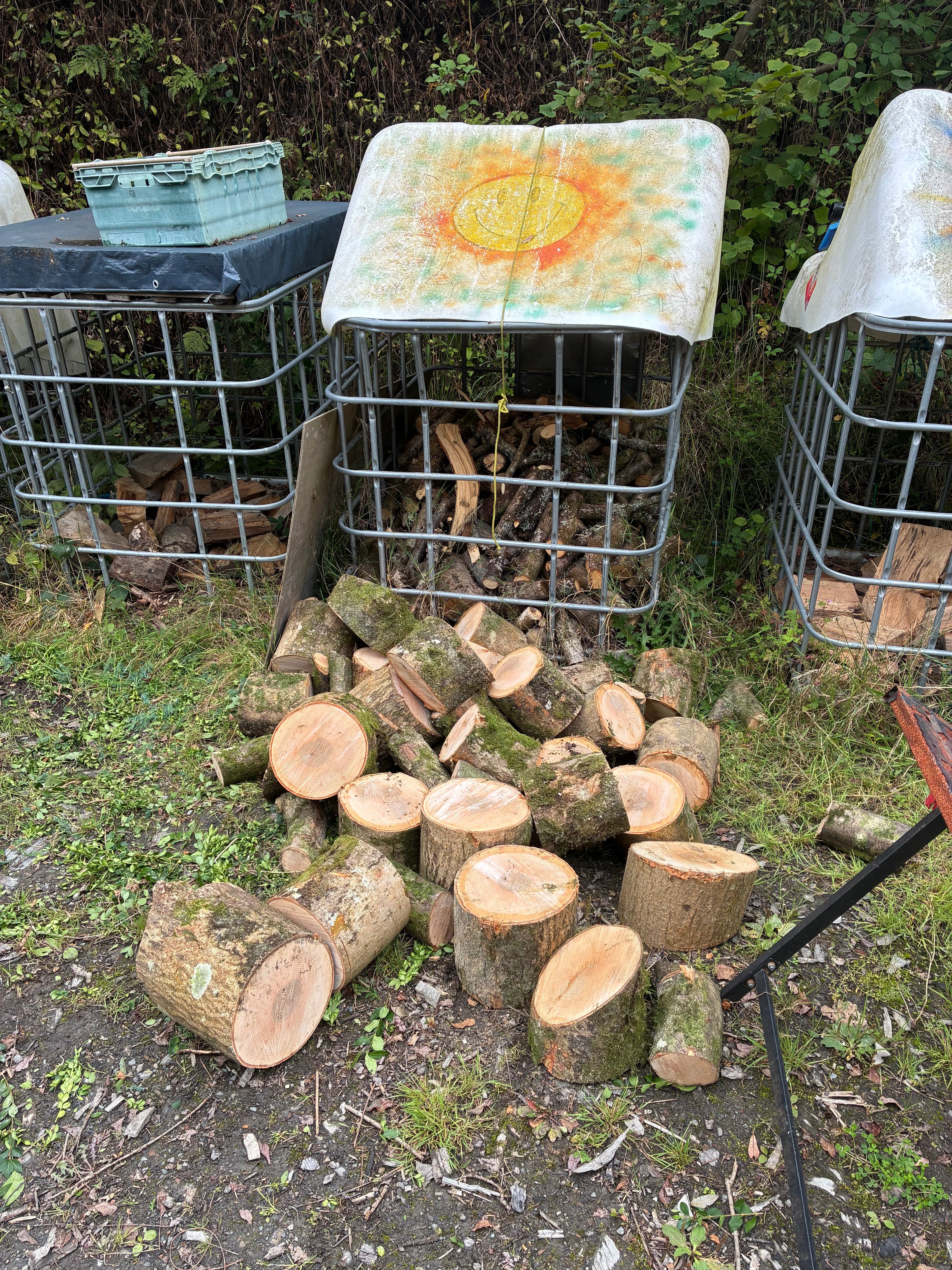
Continue leaving fallen timber and creating habitat features from woody material.
Suitable structures include:
- Log piles
- Brash piles
- Partly buried timber
- Standing deadwood where safe
- Piles of branches at woodland edges
Autumn is a good time to resist the instinct to make everything tidy. Ecologically, scruffiness has excellent credentials.
Priority 11
Wildlife Habitat
Prepare the site for winter wildlife.
Retain:
- Seed heads
- Standing grasses
- Hollow stems
- Nettle patches
- Bramble
- Deadwood
- Leaf litter
- Dense scrub
Avoid clearing vegetation merely because it has finished flowering.
Look for areas where birds and mammals are already using vegetation for shelter and leave these particularly undisturbed.
Continue developing structural variety rather than maximising any single habitat type.
Priority 12
Species Recording
Continue the Oakwood species surveys, but begin recording seasonal change as well as species presence.
Plants
Look for:
- Remaining flowering plants
- Seed heads
- Grasses
- Rushes
- Sedges
- Young tree regeneration
- Berries and fruits
- First signs of autumn colour
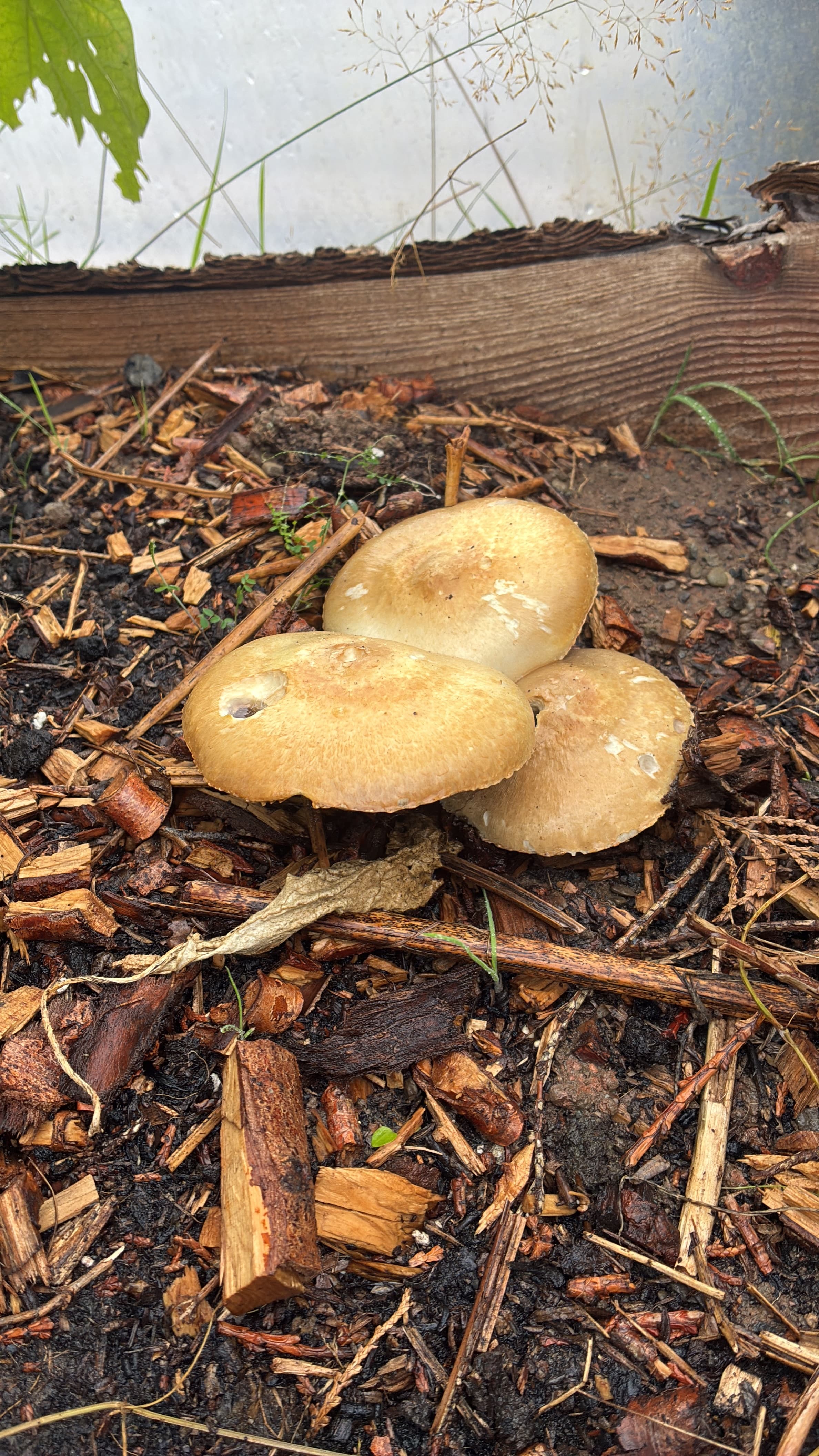
Fungi
Begin watching closely for fungi as wetter conditions return.
Photograph unfamiliar specimens rather than disturbing them where possible.
Insects
Continue recording:
- Late butterflies
- Bees
- Hoverflies
- Dragonflies
- Grasshoppers
Birds
Look particularly for:
- Changing feeding behaviour
- Mixed feeding groups
- Migrants
- Birds feeding on berries and seed heads
September should begin revealing which parts of Oakwood are important as autumn feeding habitat.
Priority 13
Polytunnel and Growing Areas
Continue harvesting the remaining summer crops.
Clear genuinely diseased material, but compost healthy plant material wherever practical.
Begin preparing space for autumn and winter crops.
Continue adding organic material to beds rather than leaving soil bare.
Use spent vegetation, compost and suitable mulch to protect and improve soil through winter.
Review what performed particularly well or badly during this year's dry conditions and use that information when planning next year.
Priority 14
Paths and Access
Continue keeping the established path network open.
September is a useful time to cut back vegetation encroaching onto paths before winter makes access harder.
Avoid widening paths unnecessarily.
The existing path system should remain the main human footprint through the site, allowing everything beyond it to become progressively less managed.
Priority 15
Autumn Planting Preparation
Prepare everything required for the main autumn and winter planting period.
Organise:
- Tree guards
- Stakes
- Ties
- Mulch
- Spades
- Planting stock
- Maps of planting areas
- Stored seed
- Labels where needed
Repair and reuse existing guards wherever possible.
Mark natural saplings before surrounding vegetation dies down completely, particularly small oak, birch, willow and hazel that could otherwise disappear from sight during winter work.
General Principles for September
- Allow natural succession to remain the default.
- Reduce intervention as summer growth slows.
- Collect and redistribute local seed.
- Leave plenty of seed for wildlife.
- Retain dead vegetation wherever it provides habitat.
- Protect vulnerable planted trees without automatically clearing naturally regenerated ones.
- Prepare for tree planting rather than rushing to plant into dry soil.
- Use autumn to observe which areas are beginning to manage themselves.
- Maintain a mosaic of meadow, scrub, wet ground and woodland.
- Let different parts of Oakwood develop differently.
End of Month Review
At the end of September assess:
- Have any significant dock seed heads escaped the summer management?
- Which bracken areas weakened most successfully?
- Which planted trees survived the summer best?
- Which self-seeded trees have appeared this year?
- Which wildflowers produced the greatest amount of viable seed?
- Has seed been collected or scattered around the Pond-da-Rosa area?
- Which meadow areas should remain completely uncut through winter?
- Which areas might benefit from selective cutting and removal?
- Are the woodland and stream-edge areas developing without intervention?
- What trees are available for autumn and winter planting?
- Where should the maple copse and new woodland planting go?
- Which parts of Oakwood required noticeably less management this year?
The long-term objective remains unchanged: to guide Oakwood towards a resilient mosaic of woodland, meadow, scrub and wet habitats where natural processes increasingly replace human management.
September should therefore be less about making the land do things and more about reading what the summer has produced. The vegetation is beginning to hand the site over to autumn. Our job is mainly to make sure we do not interrupt the handover.