Appendix 1
Oakwood Rewilding – August 2026 Tasks
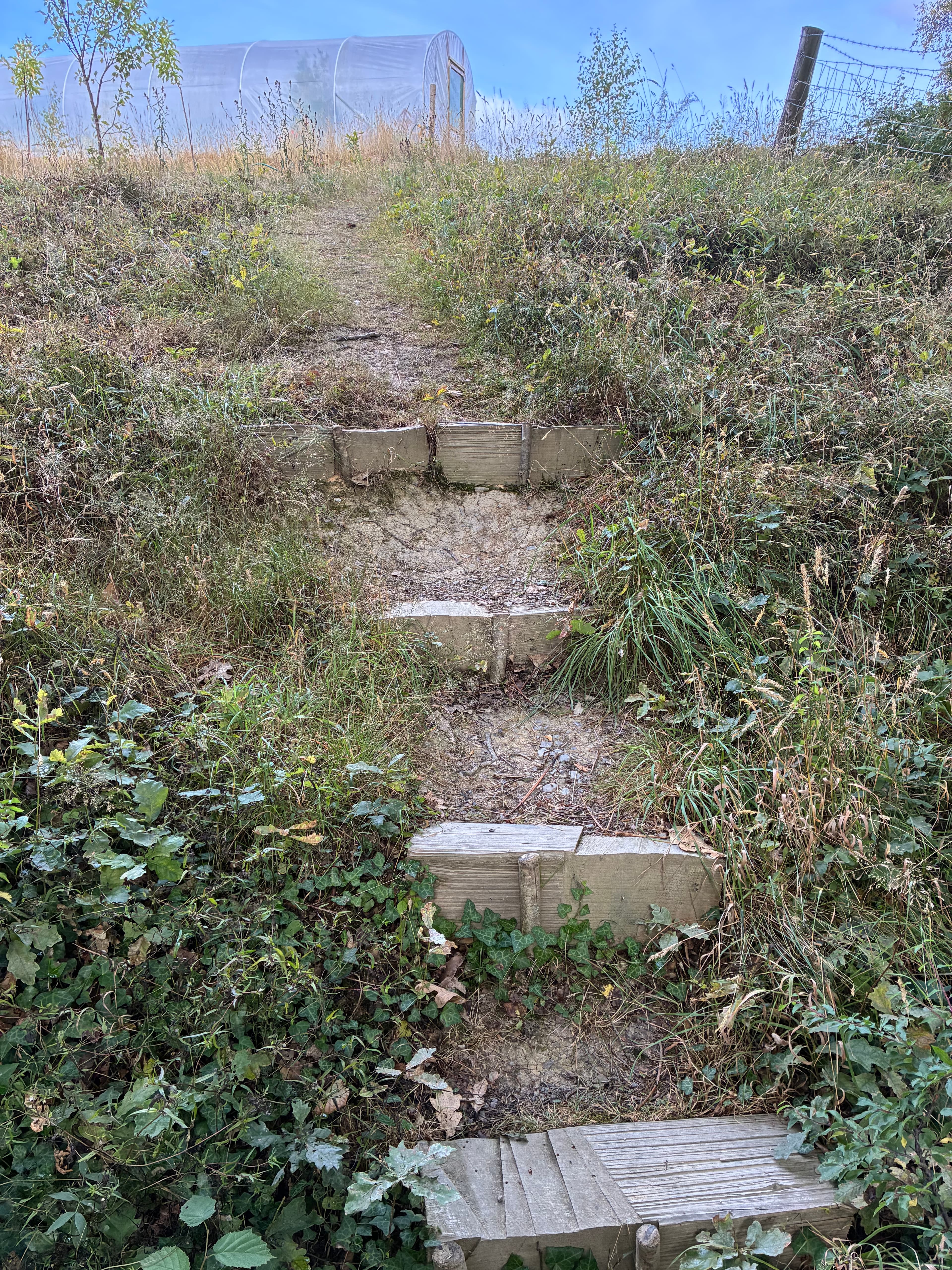
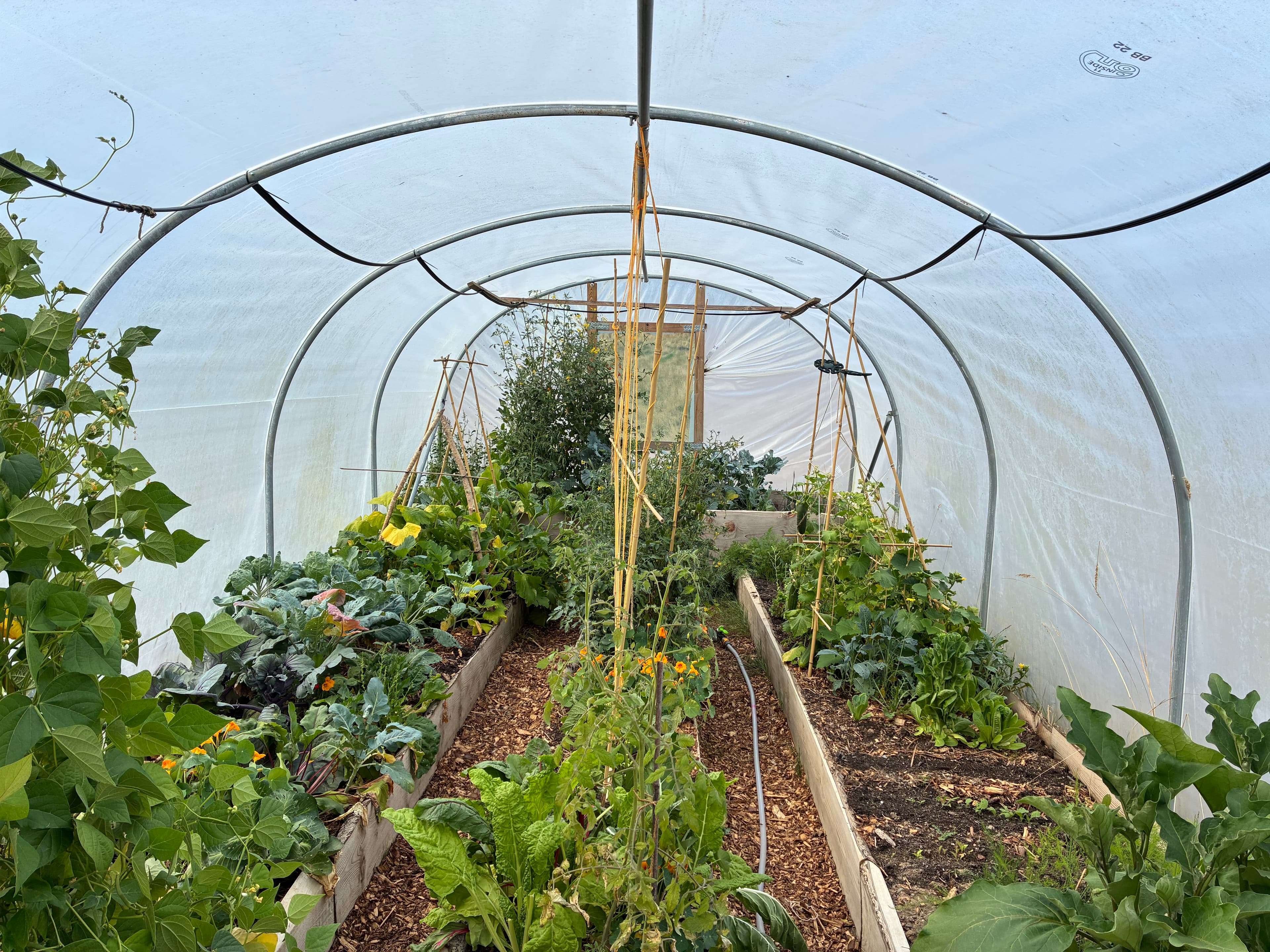
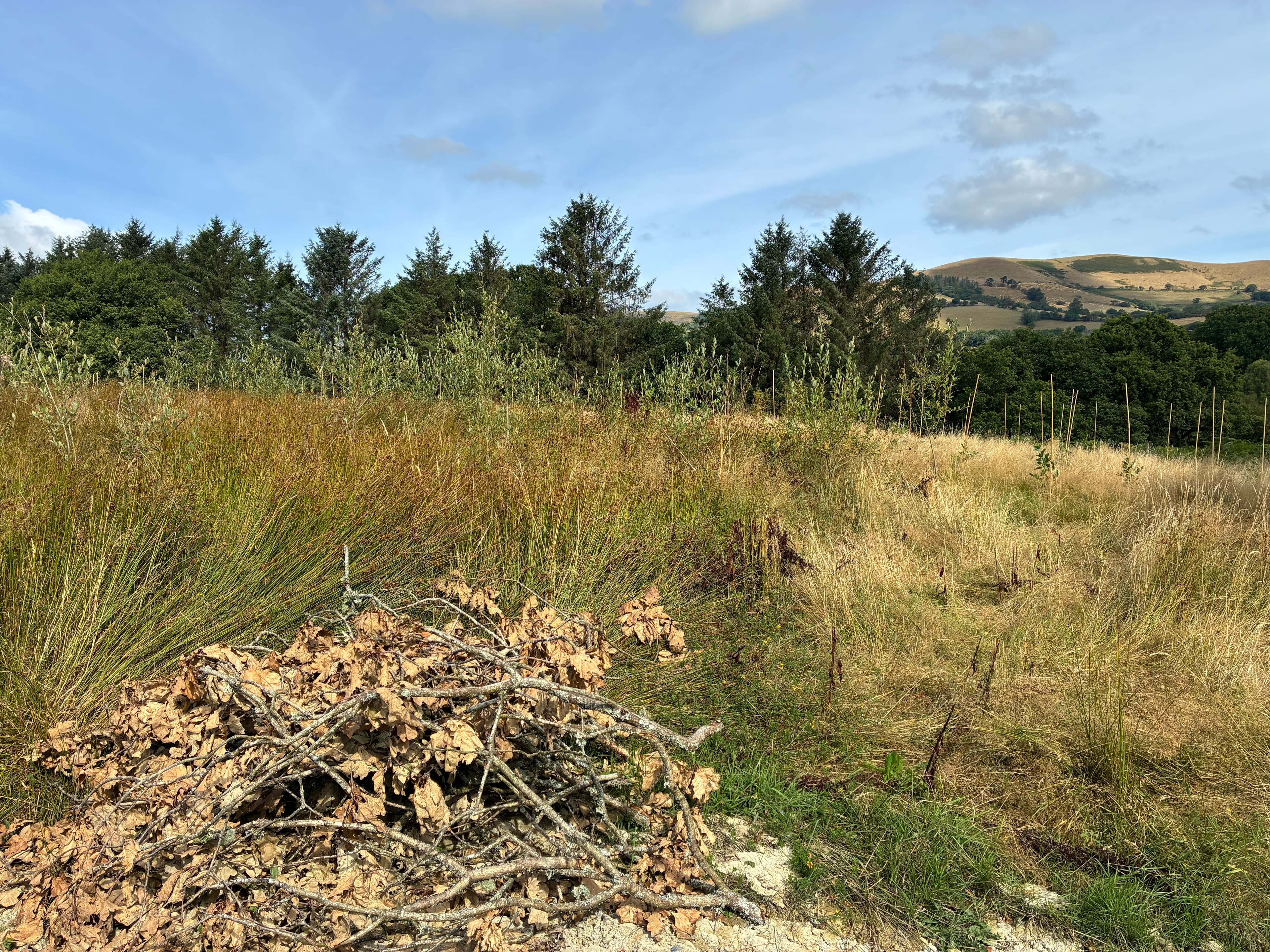
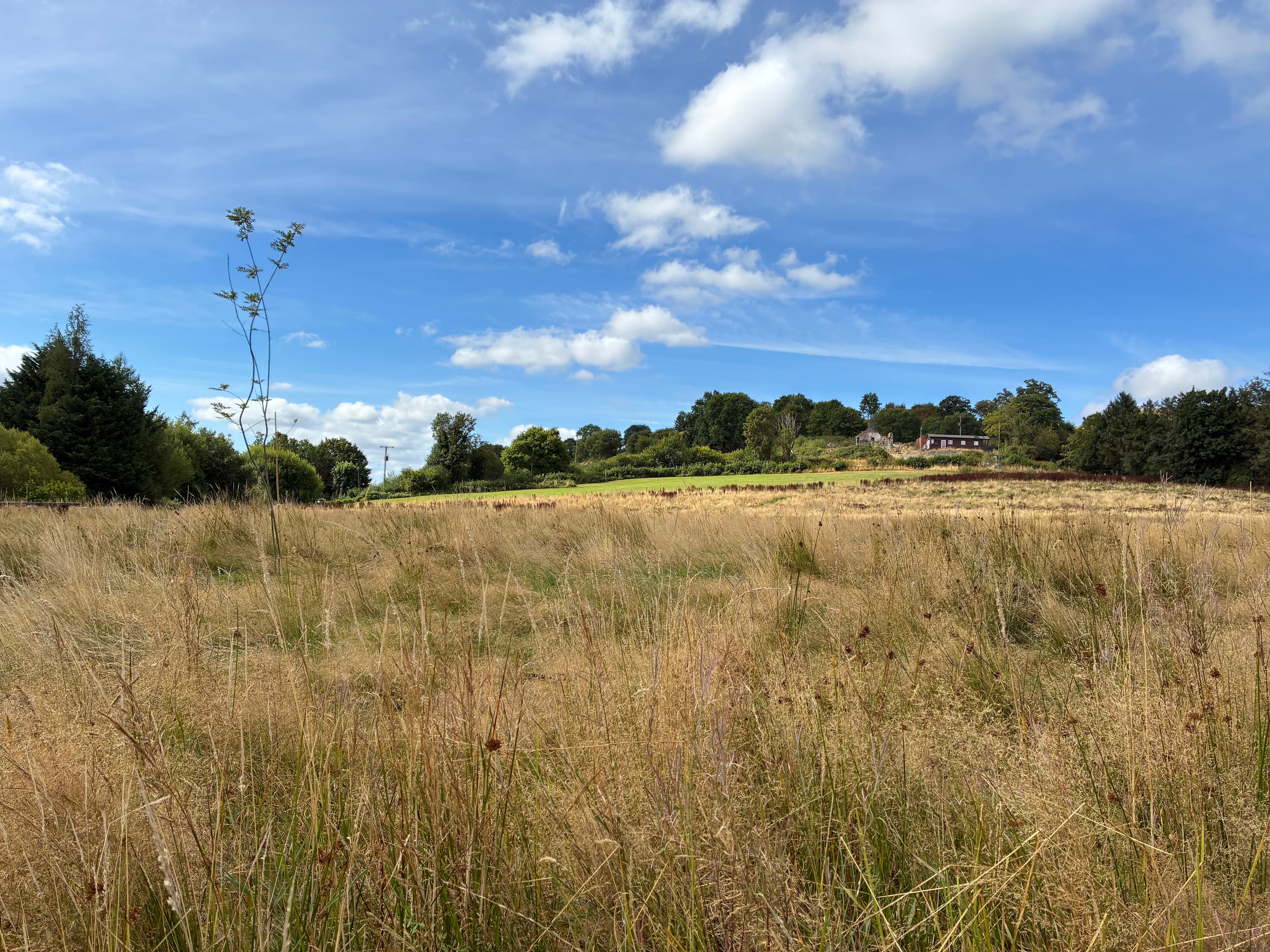
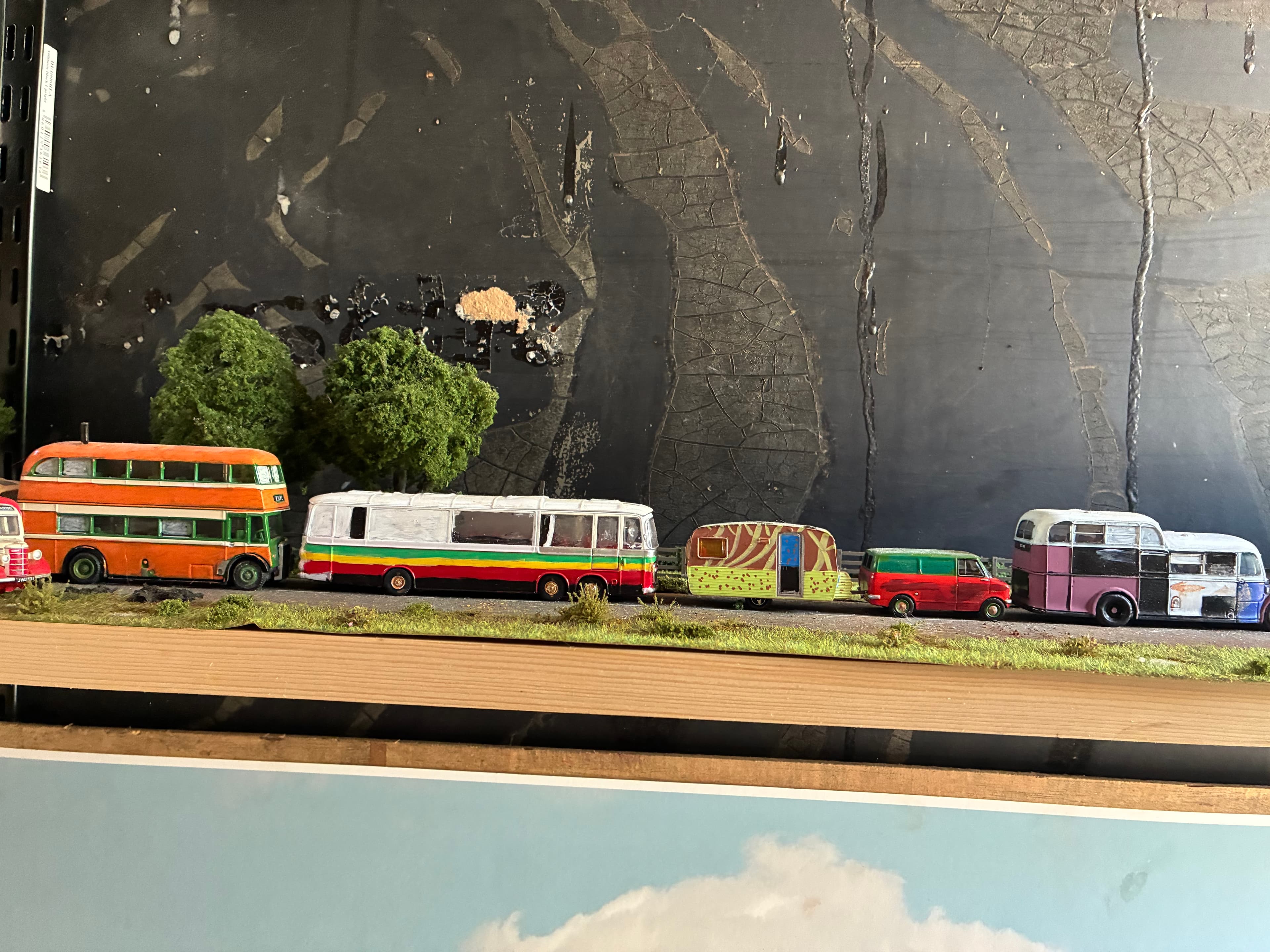
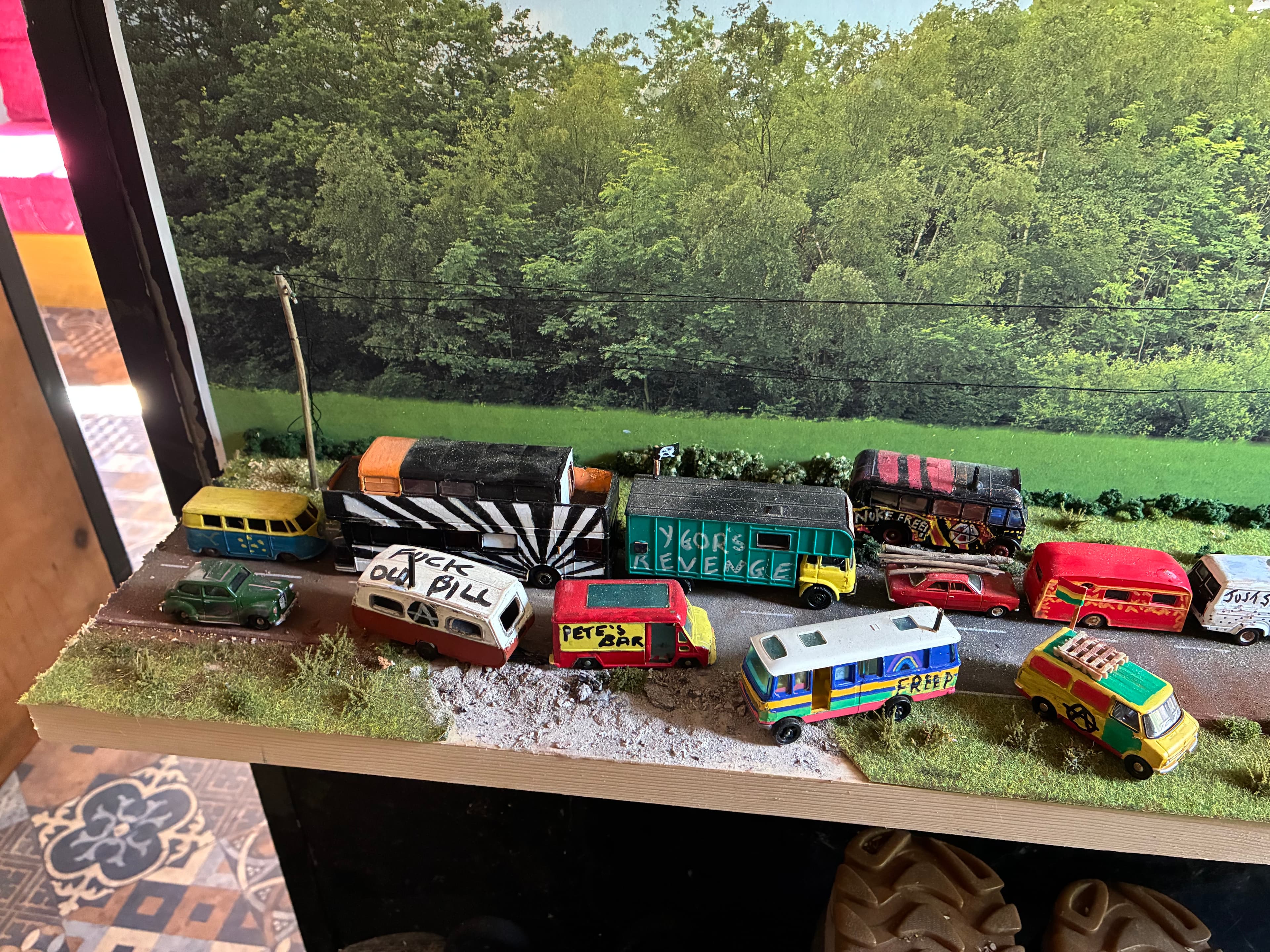
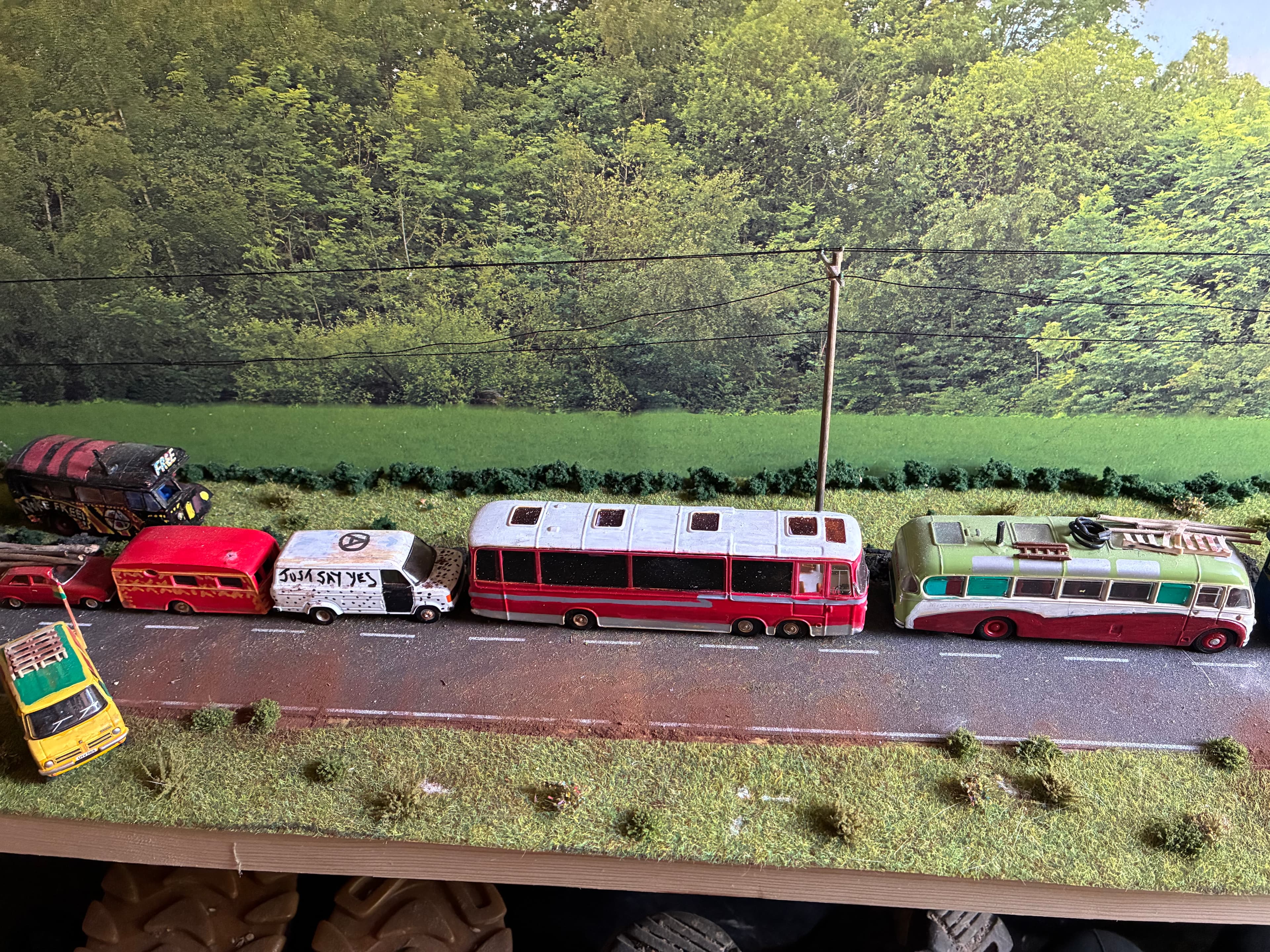
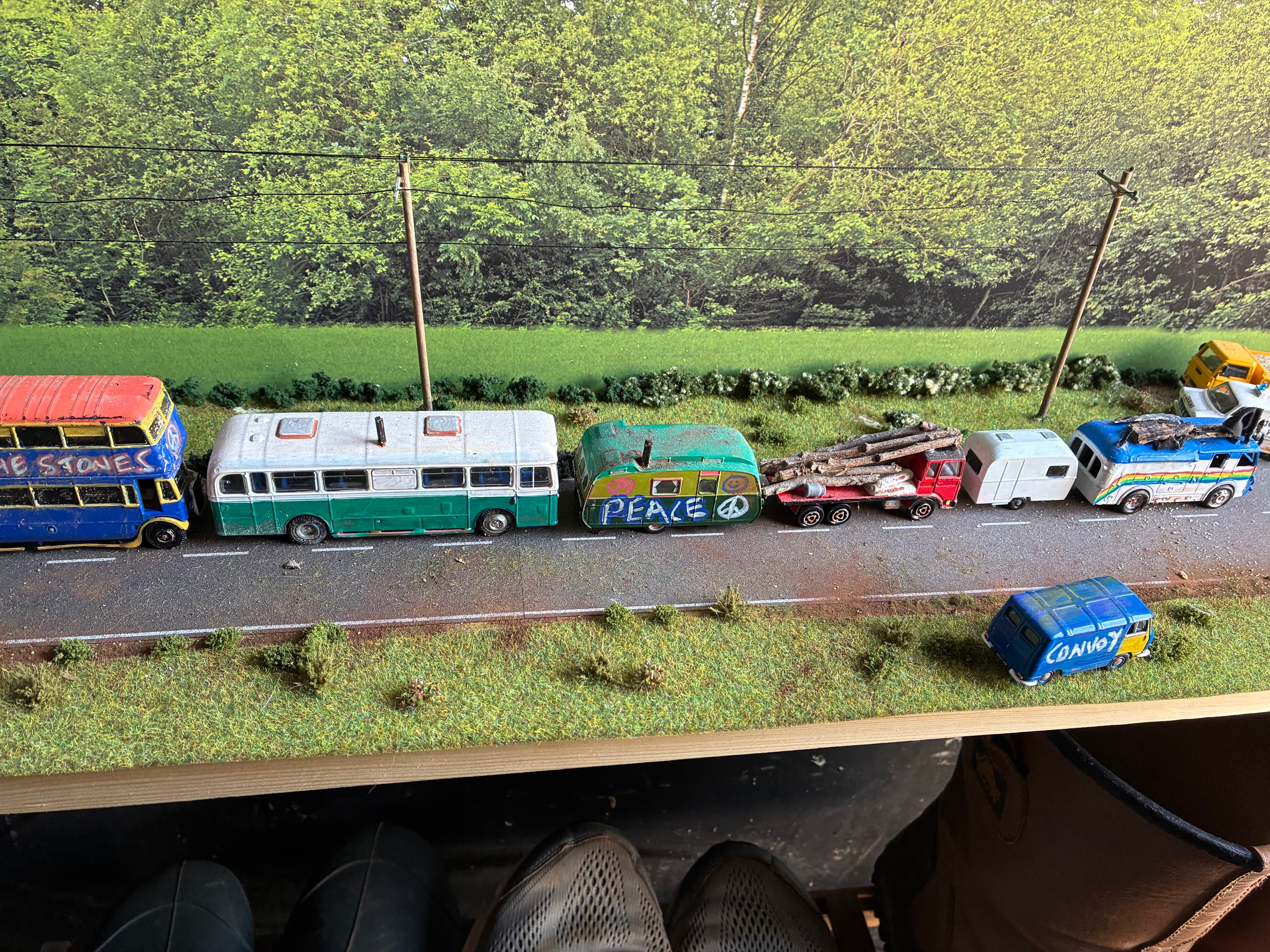
The August rewilding plan and photographs from around Oakwood in Llanbrynmair.
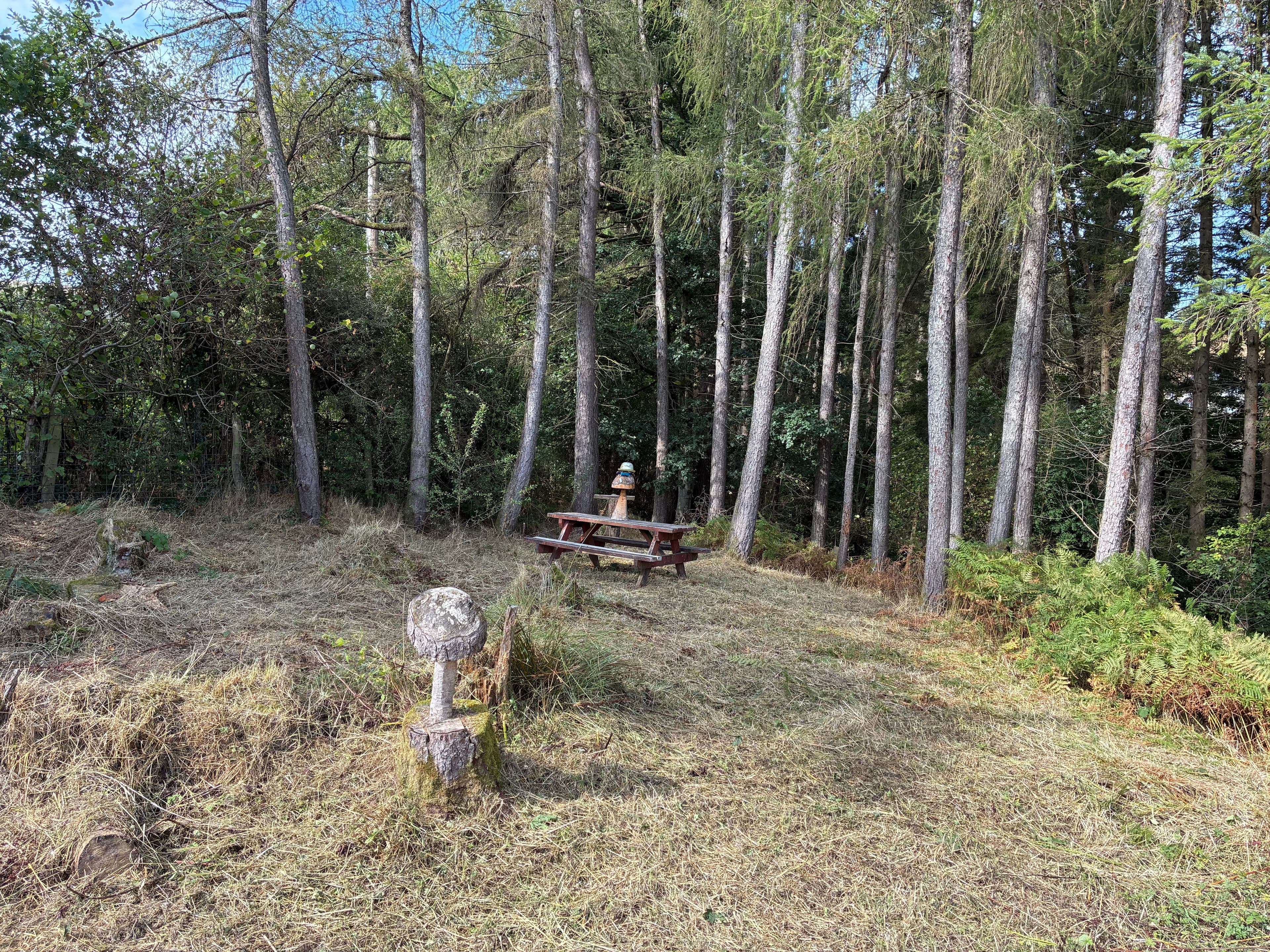
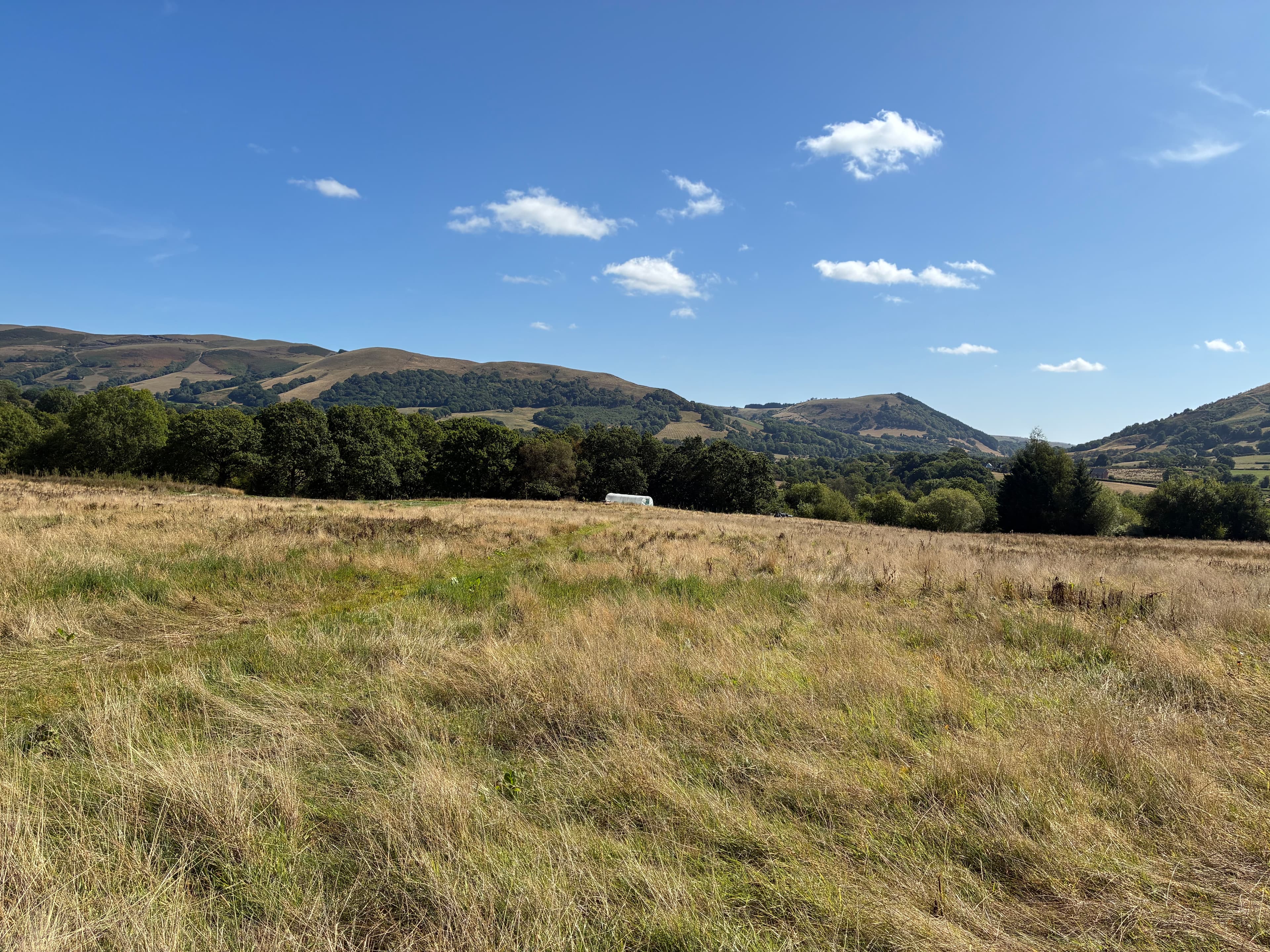
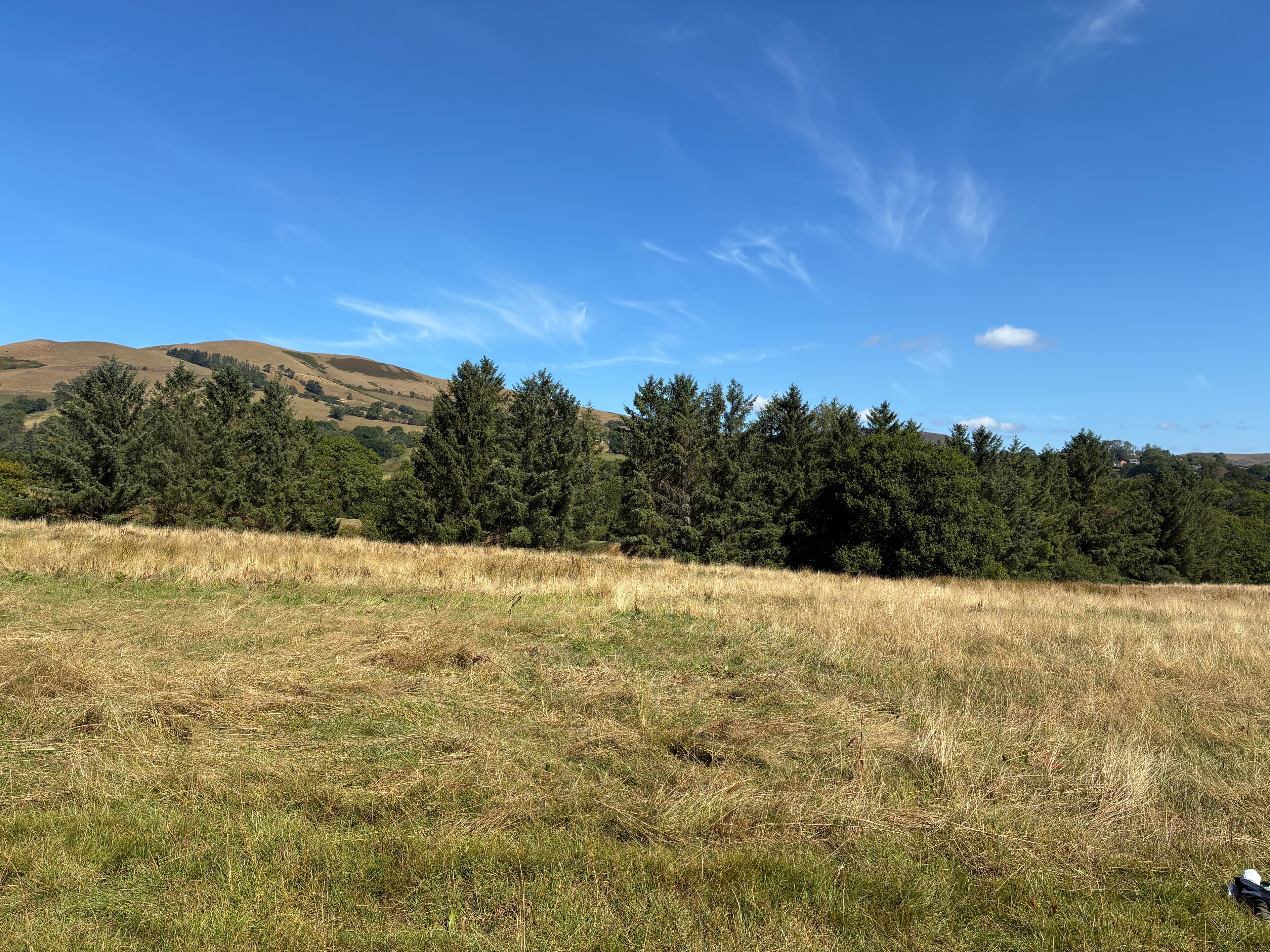
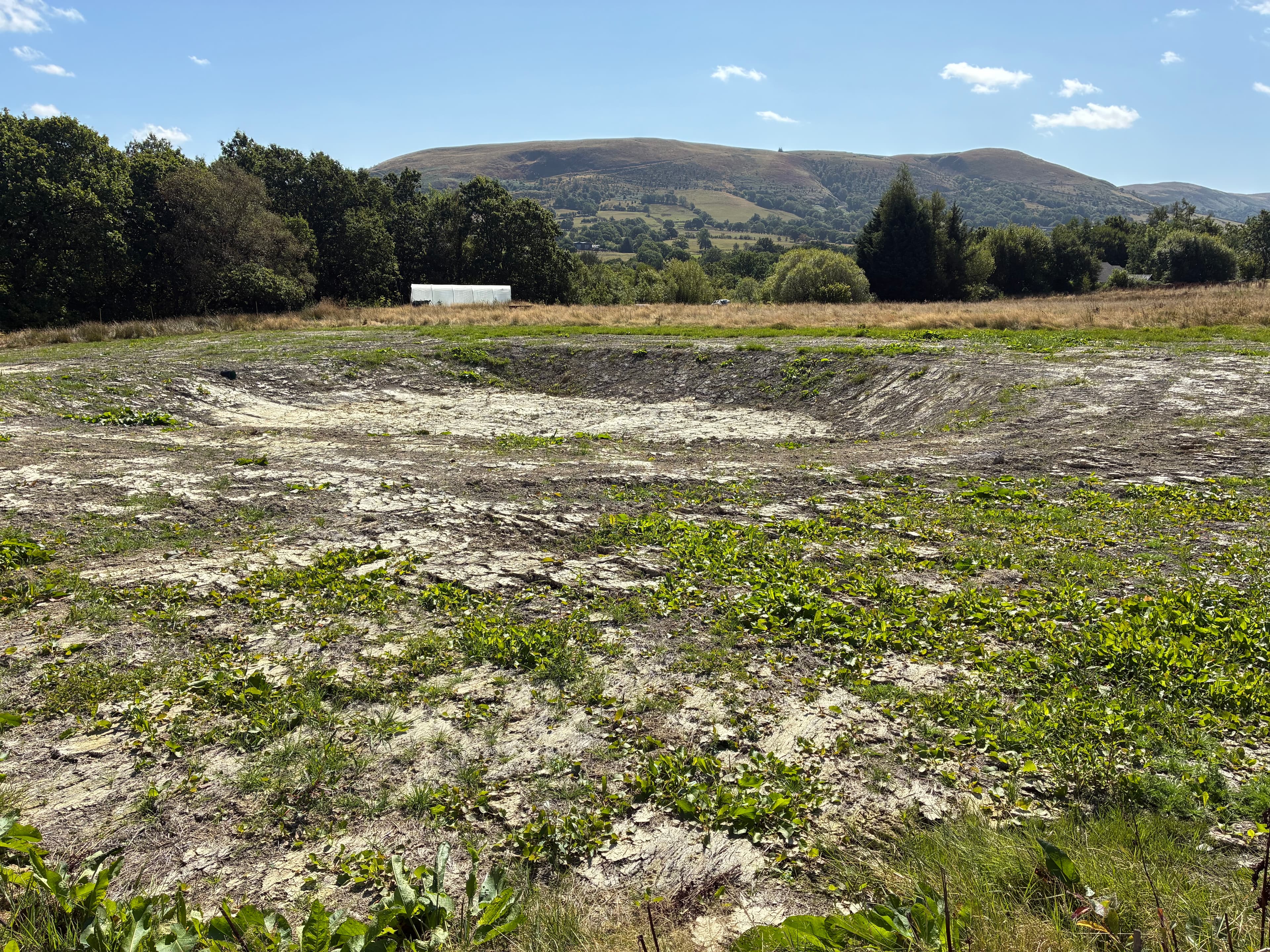
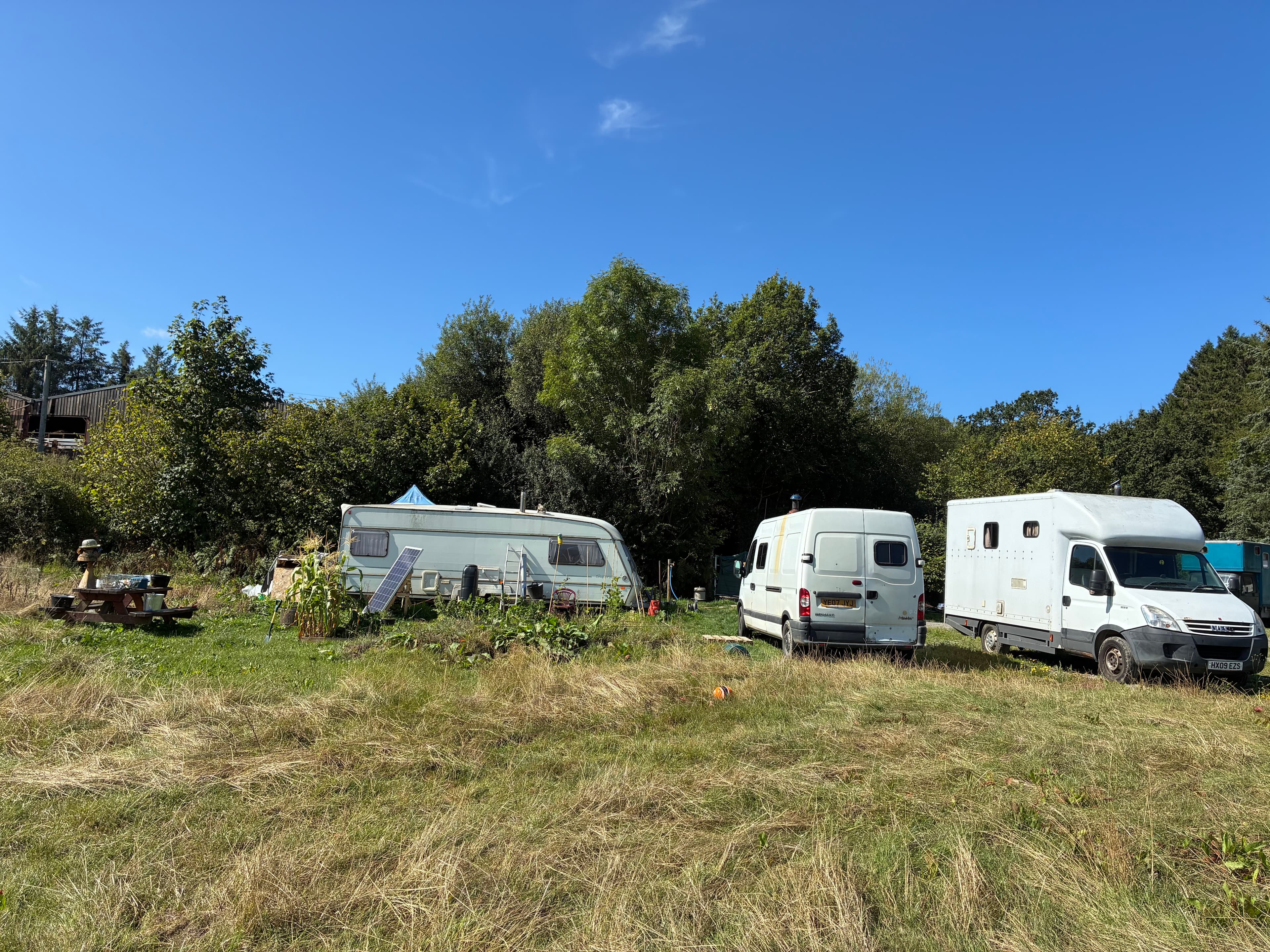
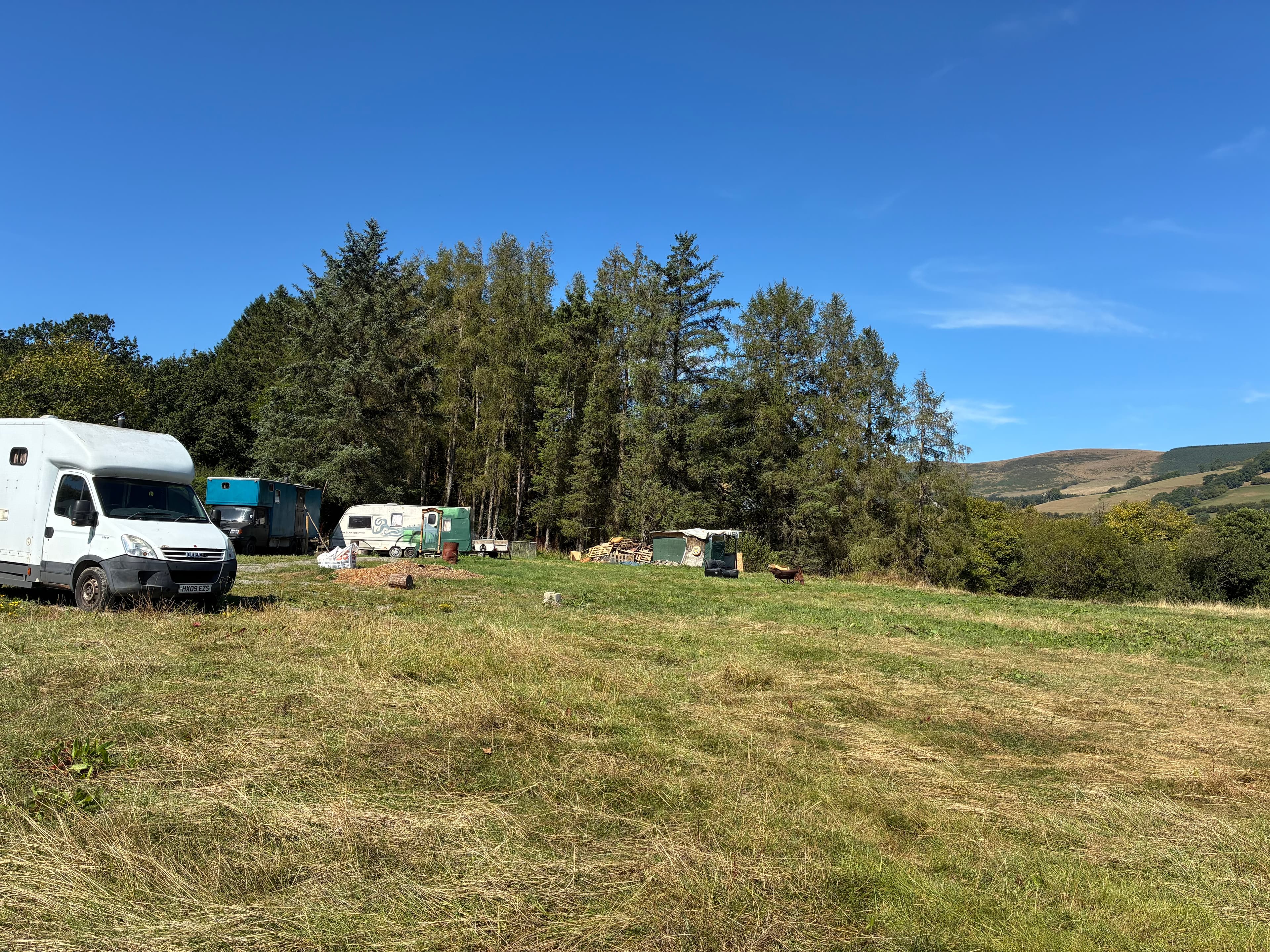
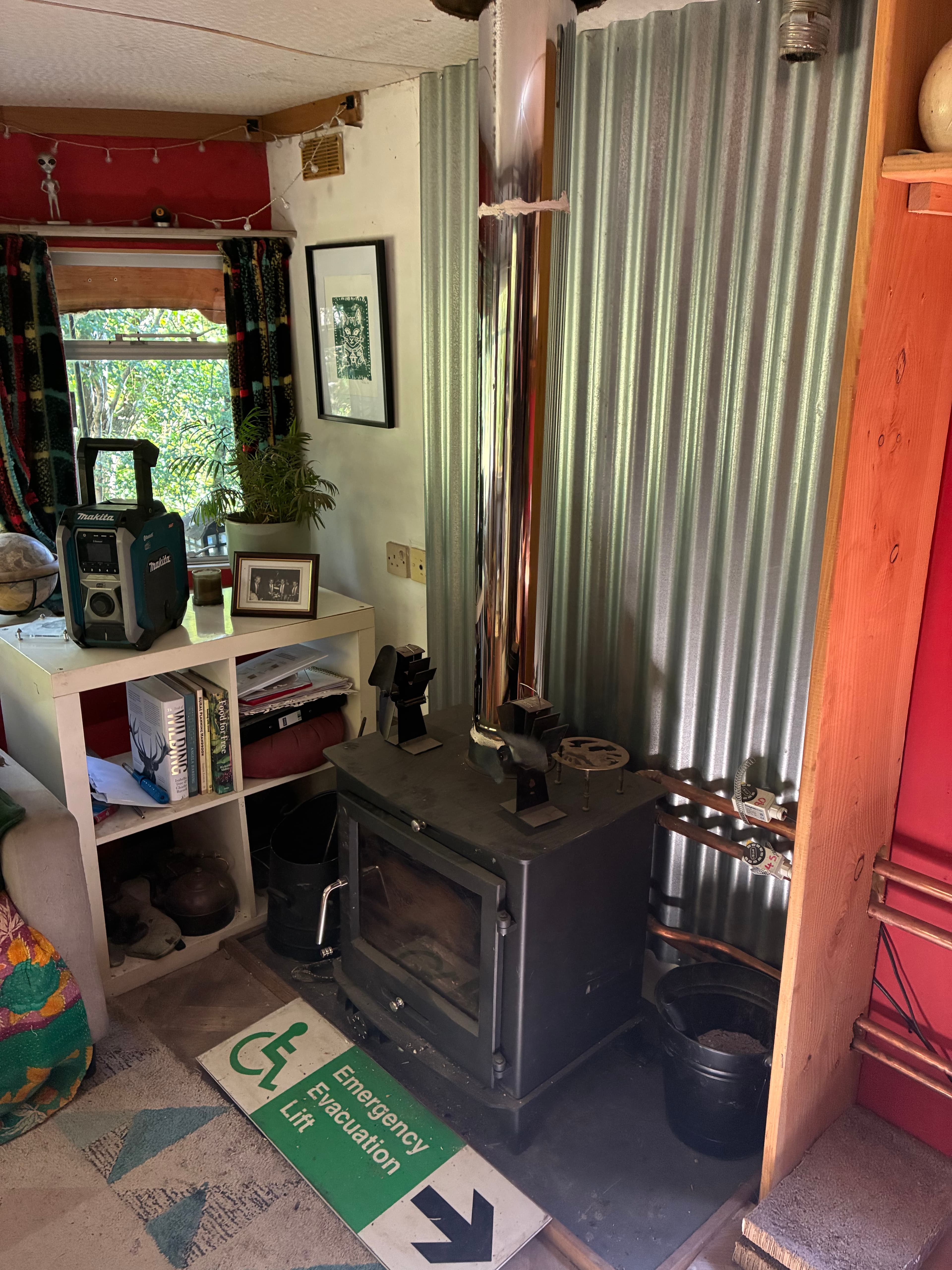
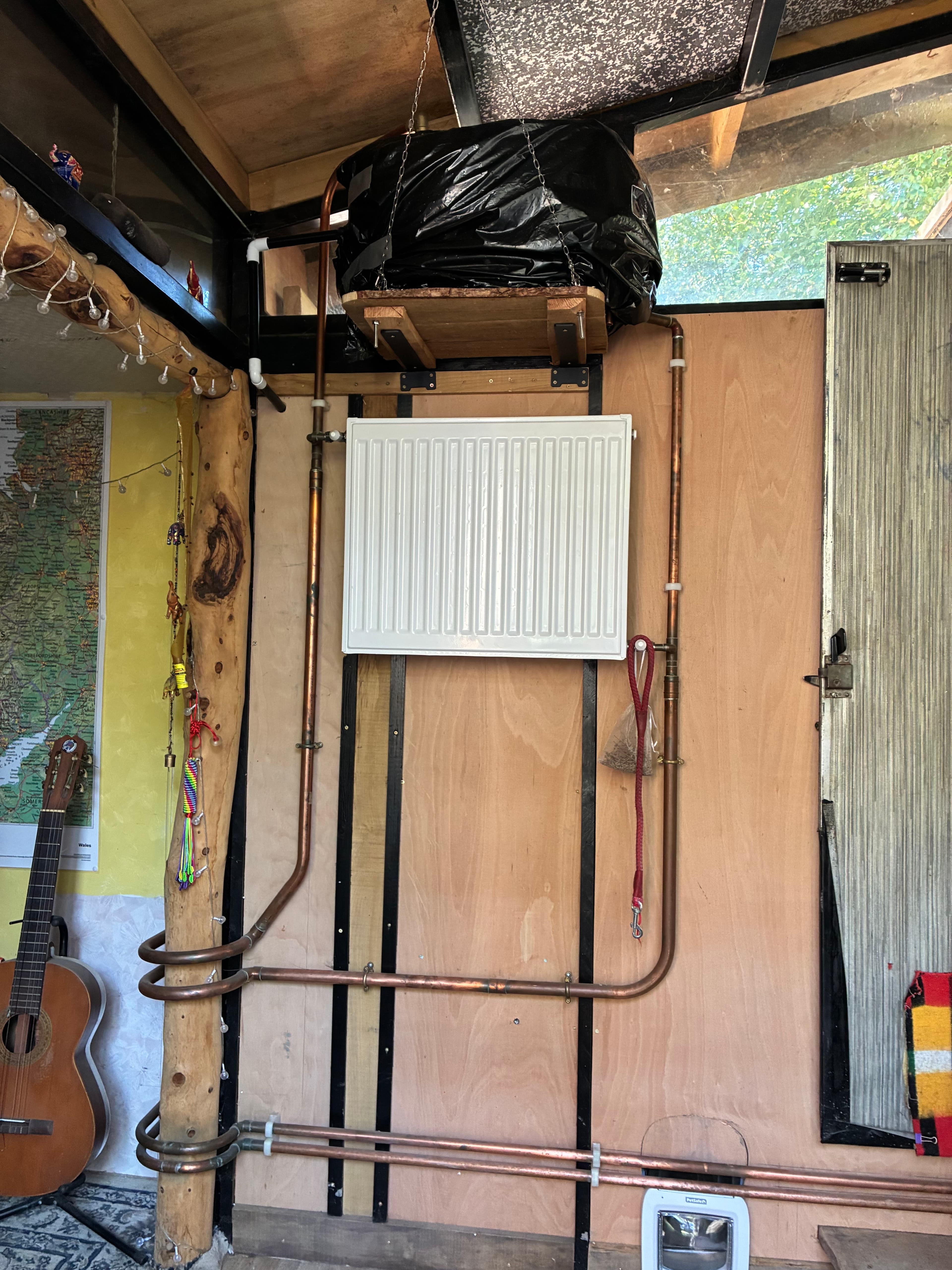
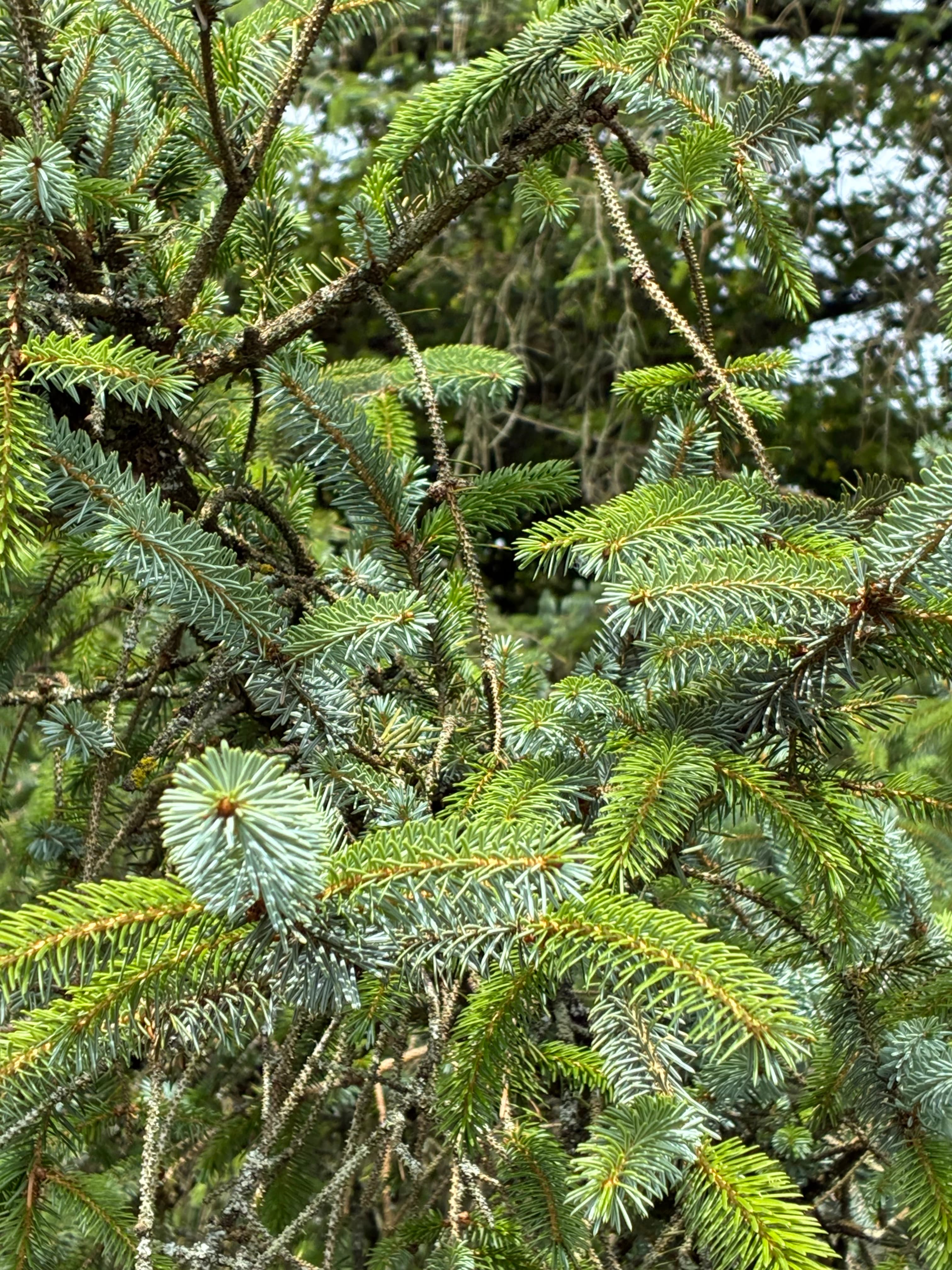
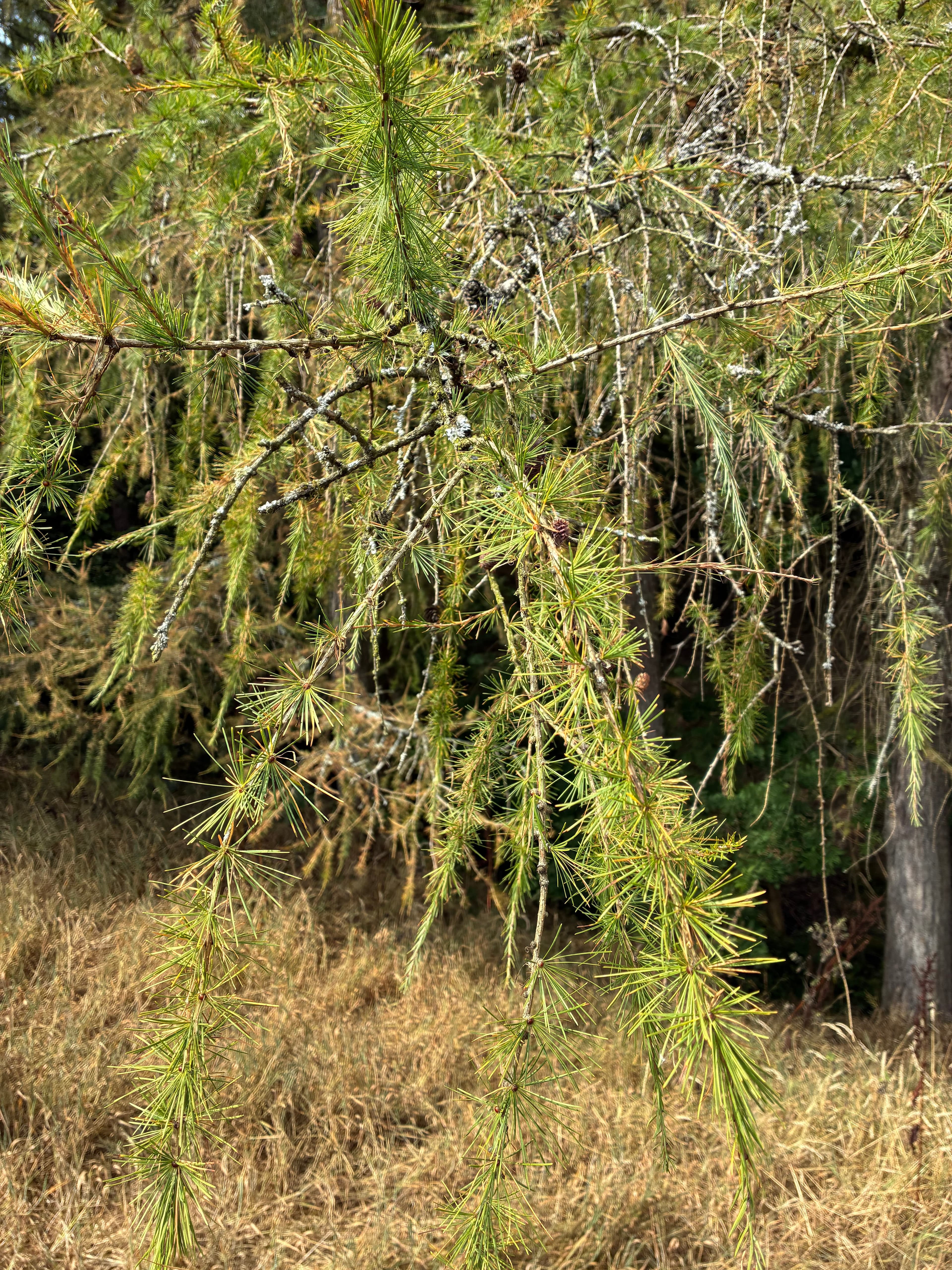
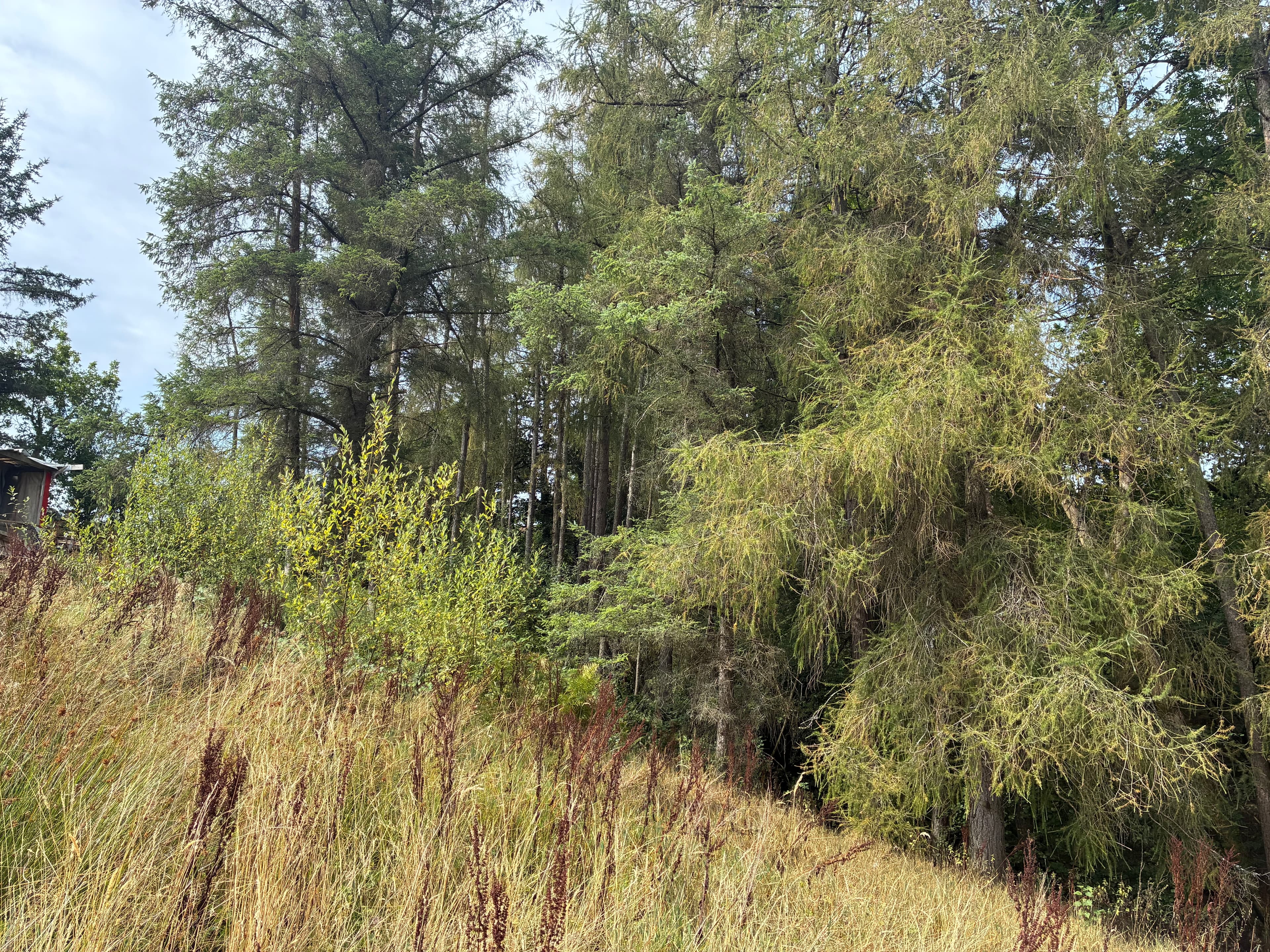
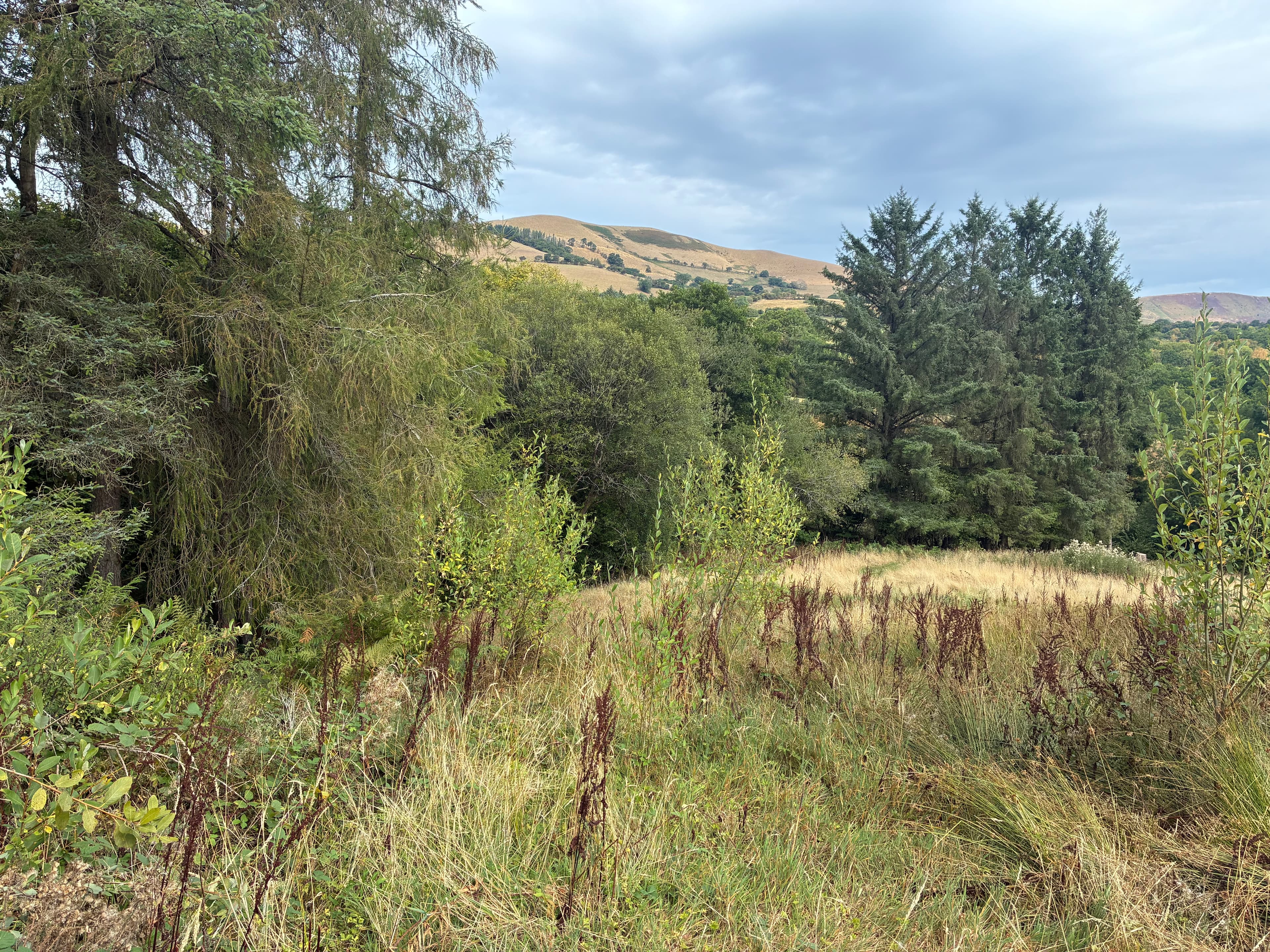
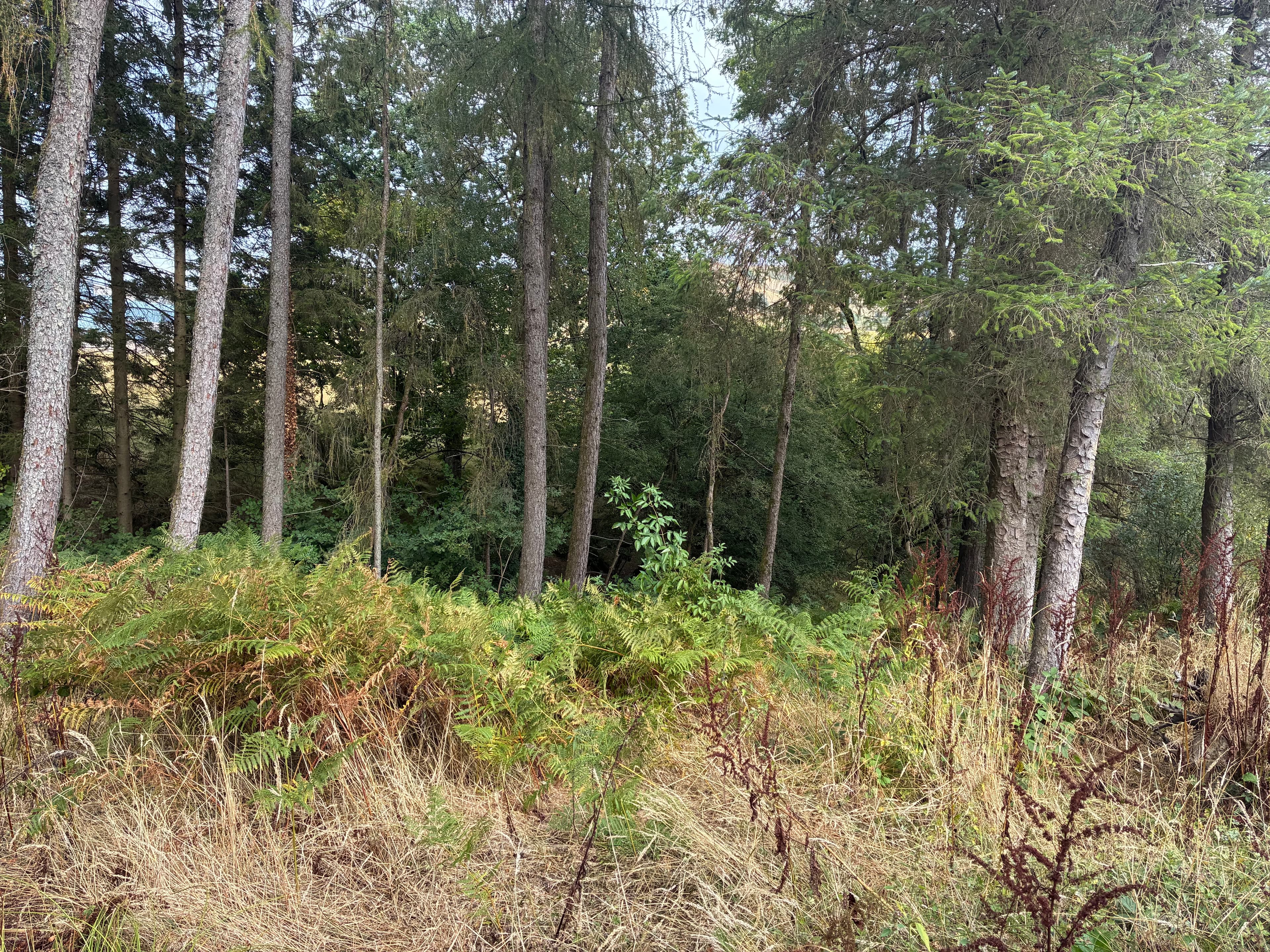
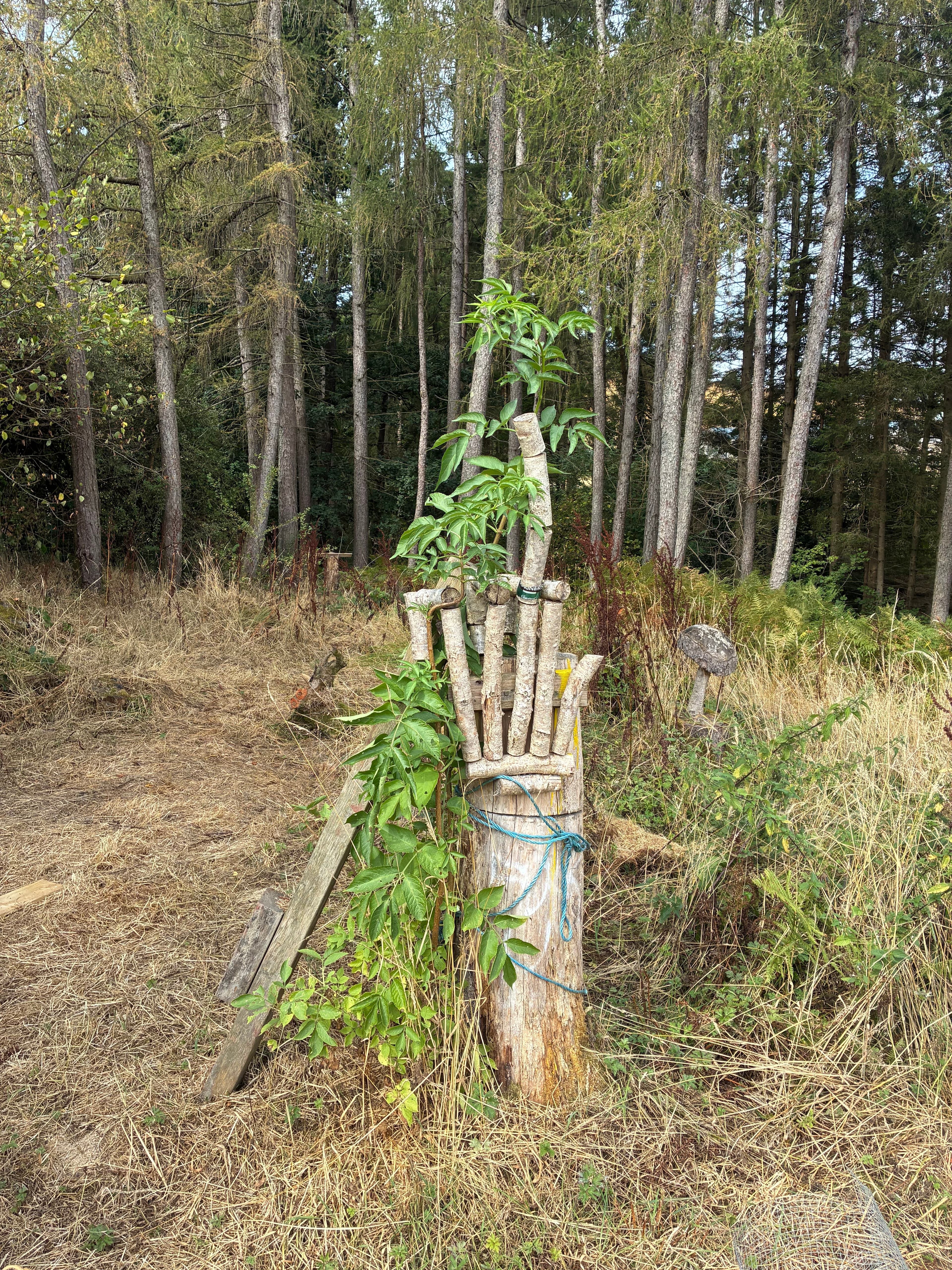
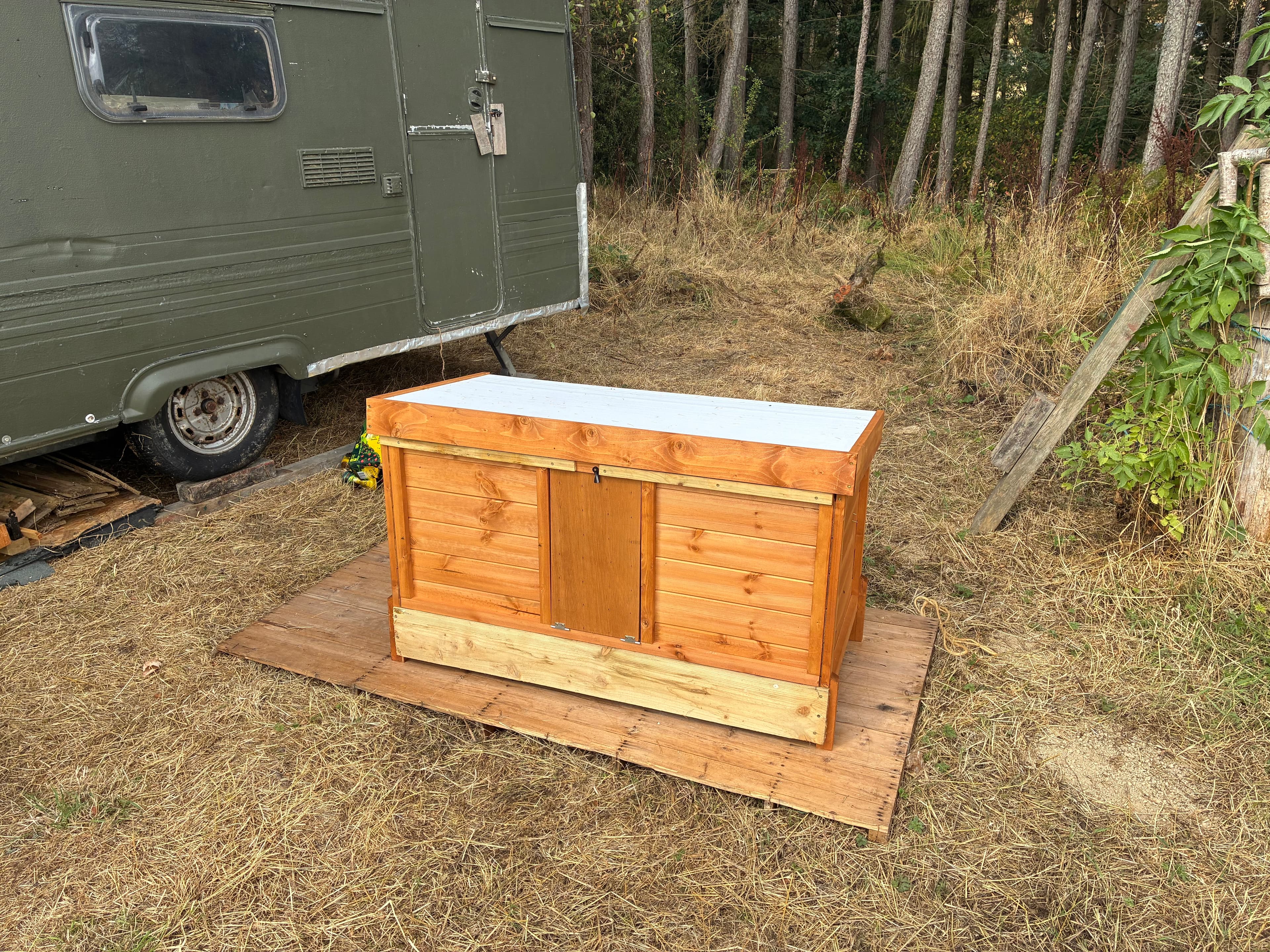
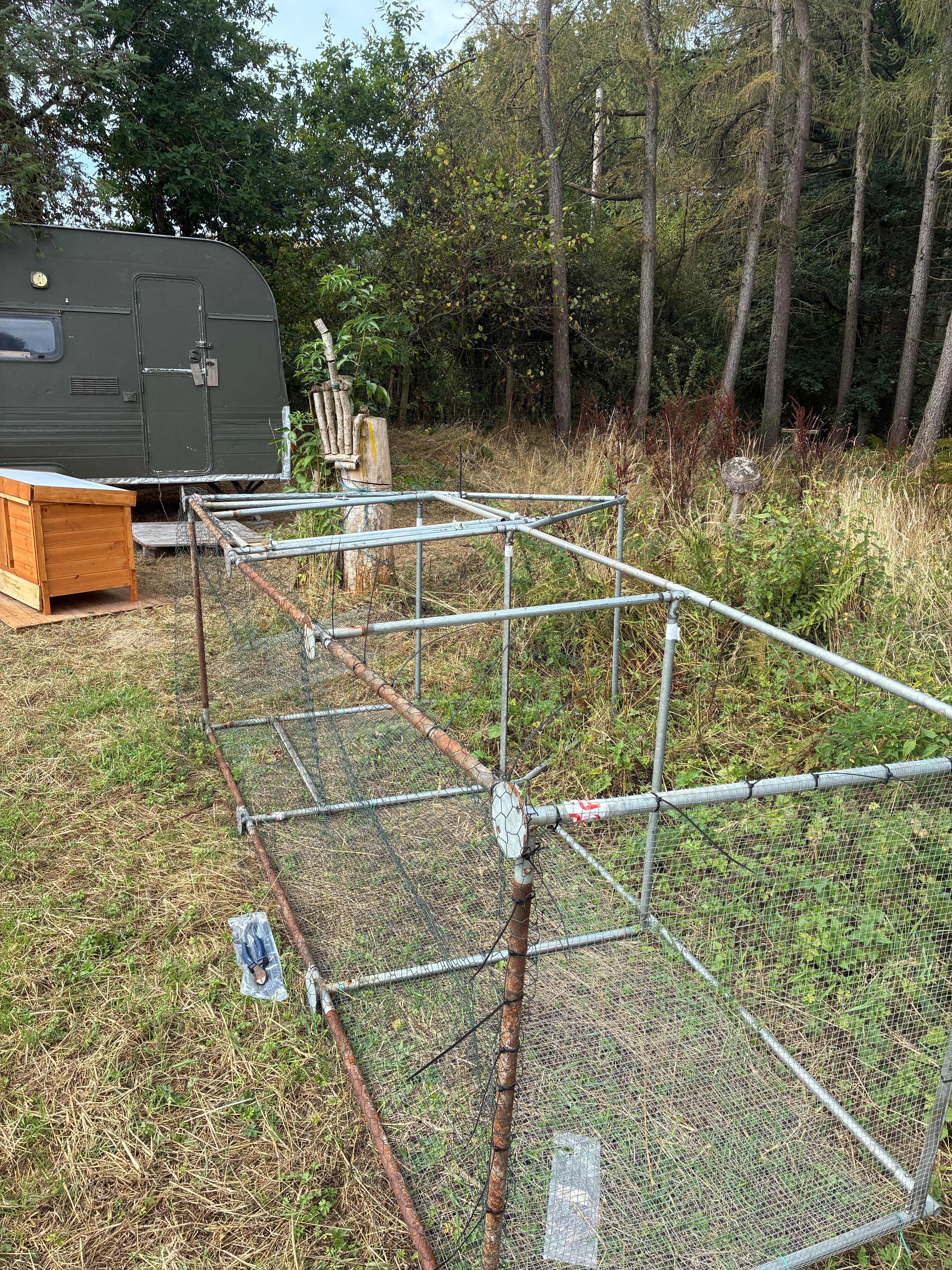
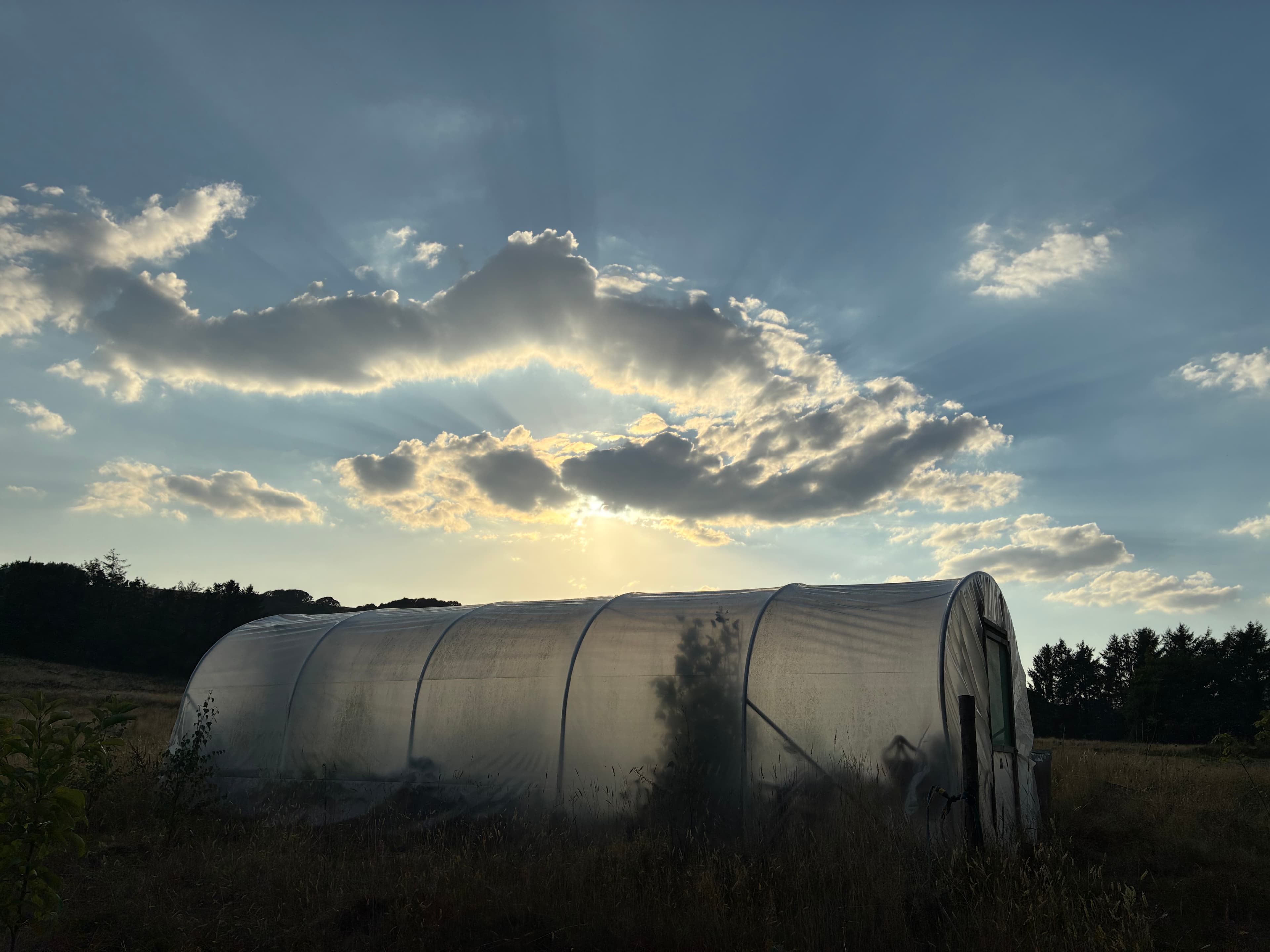
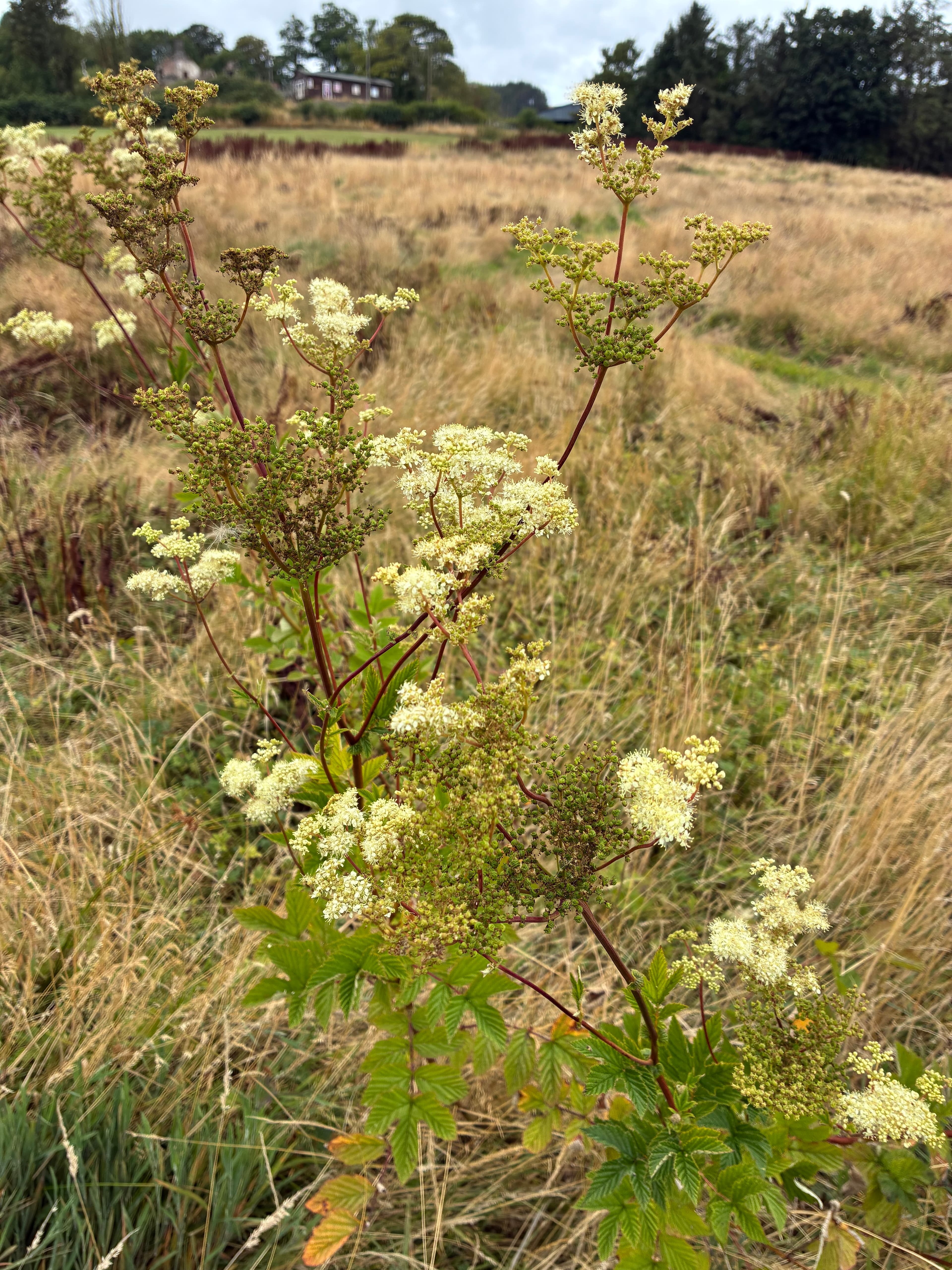
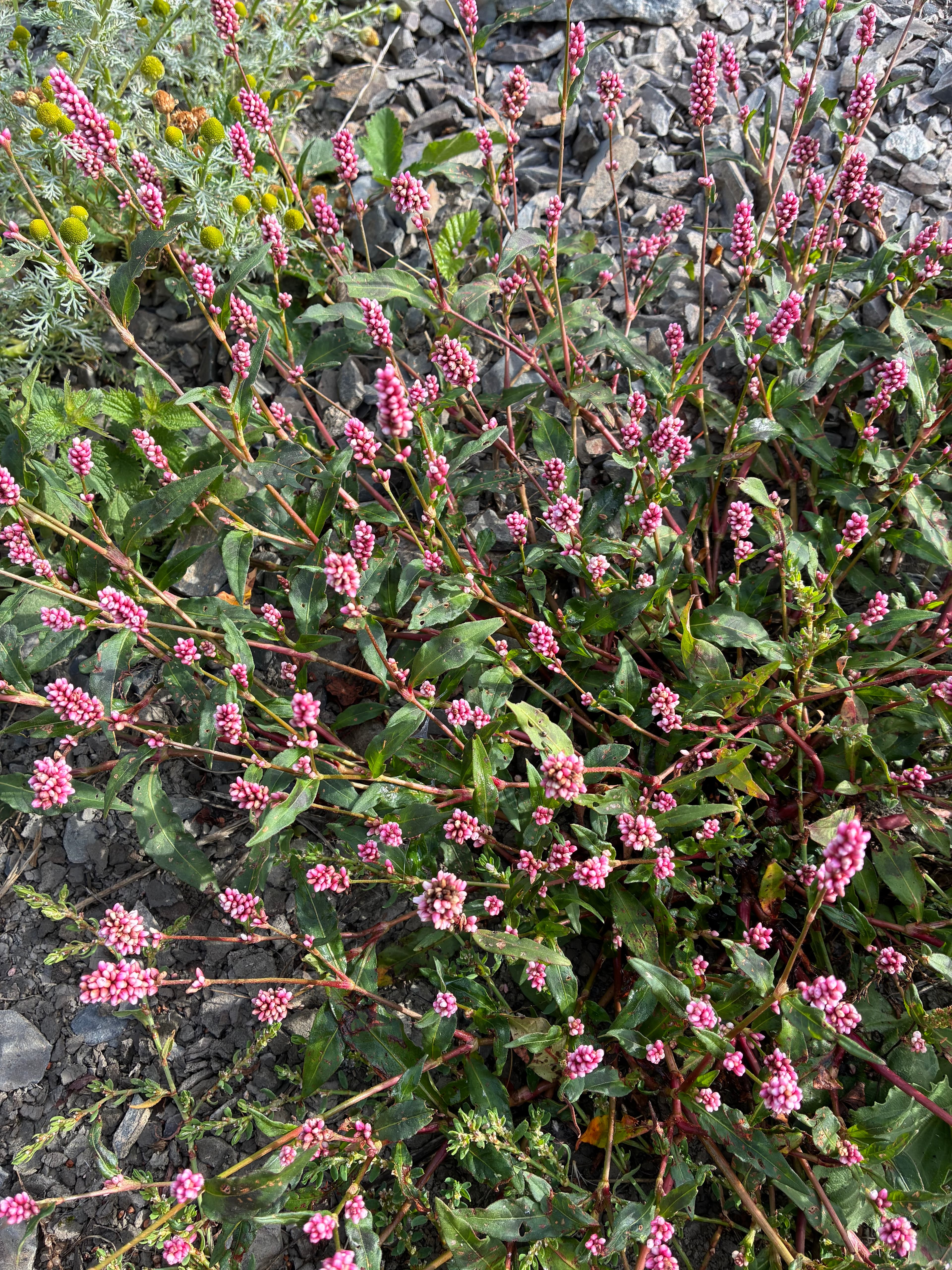
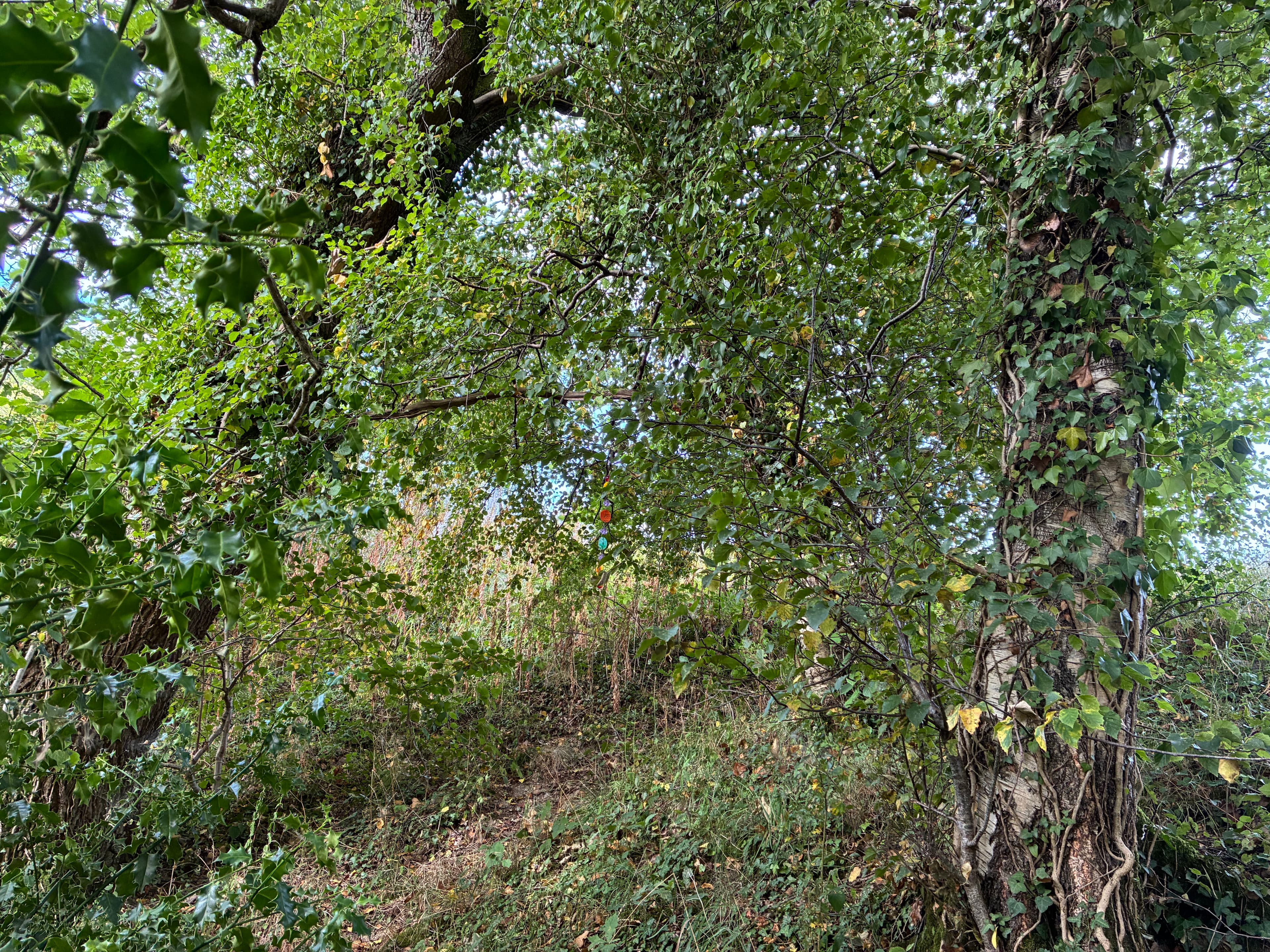
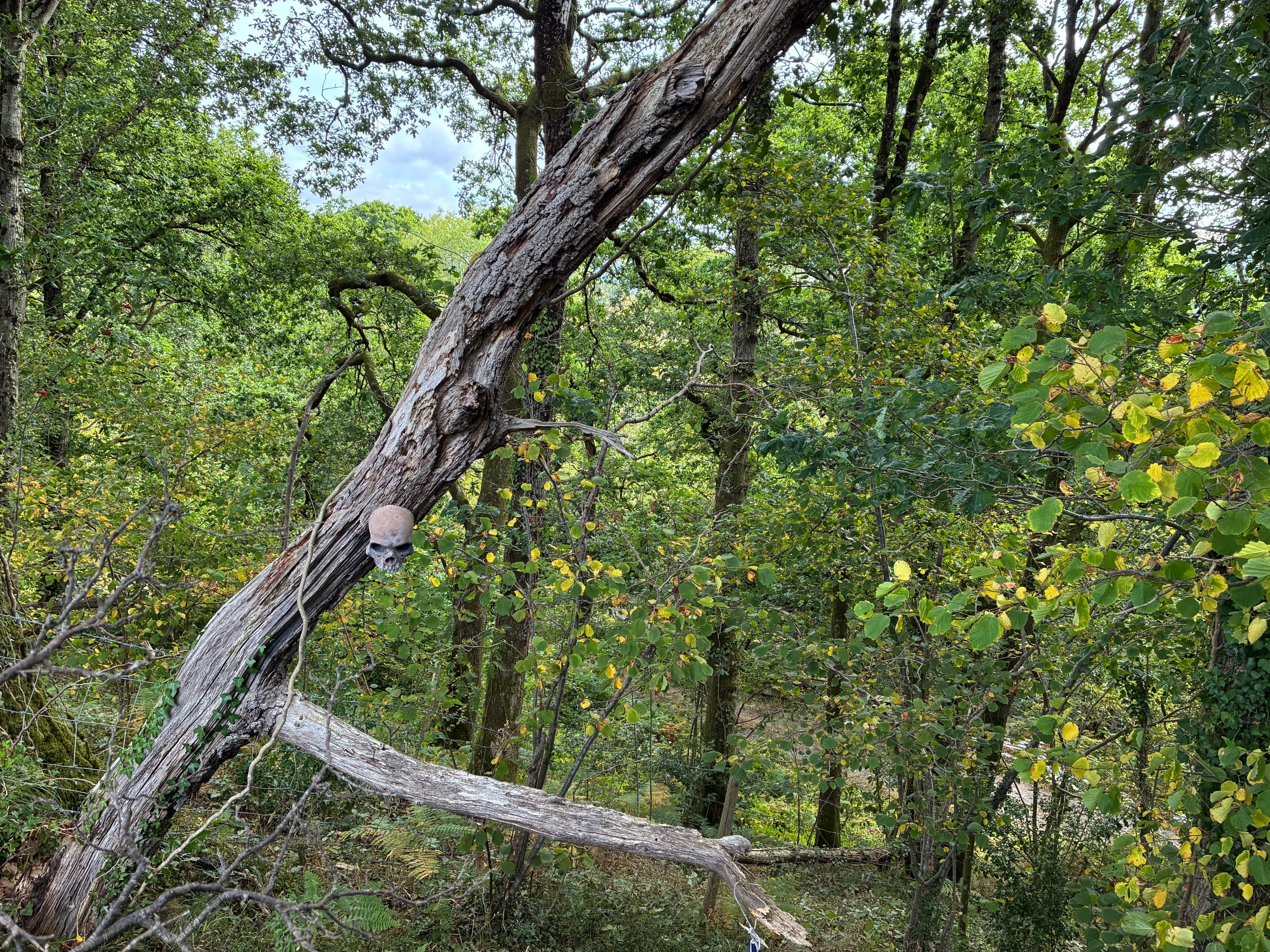
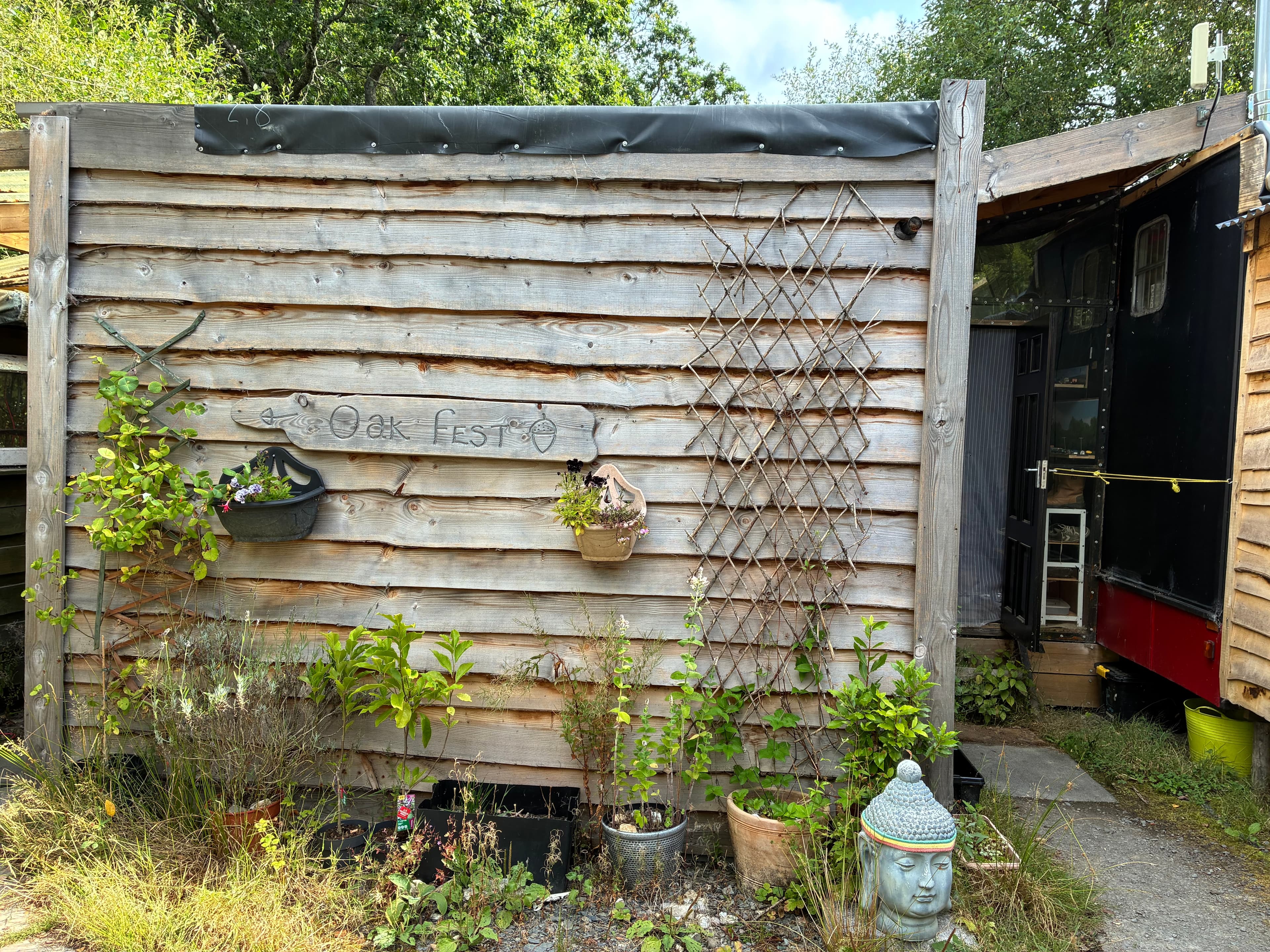
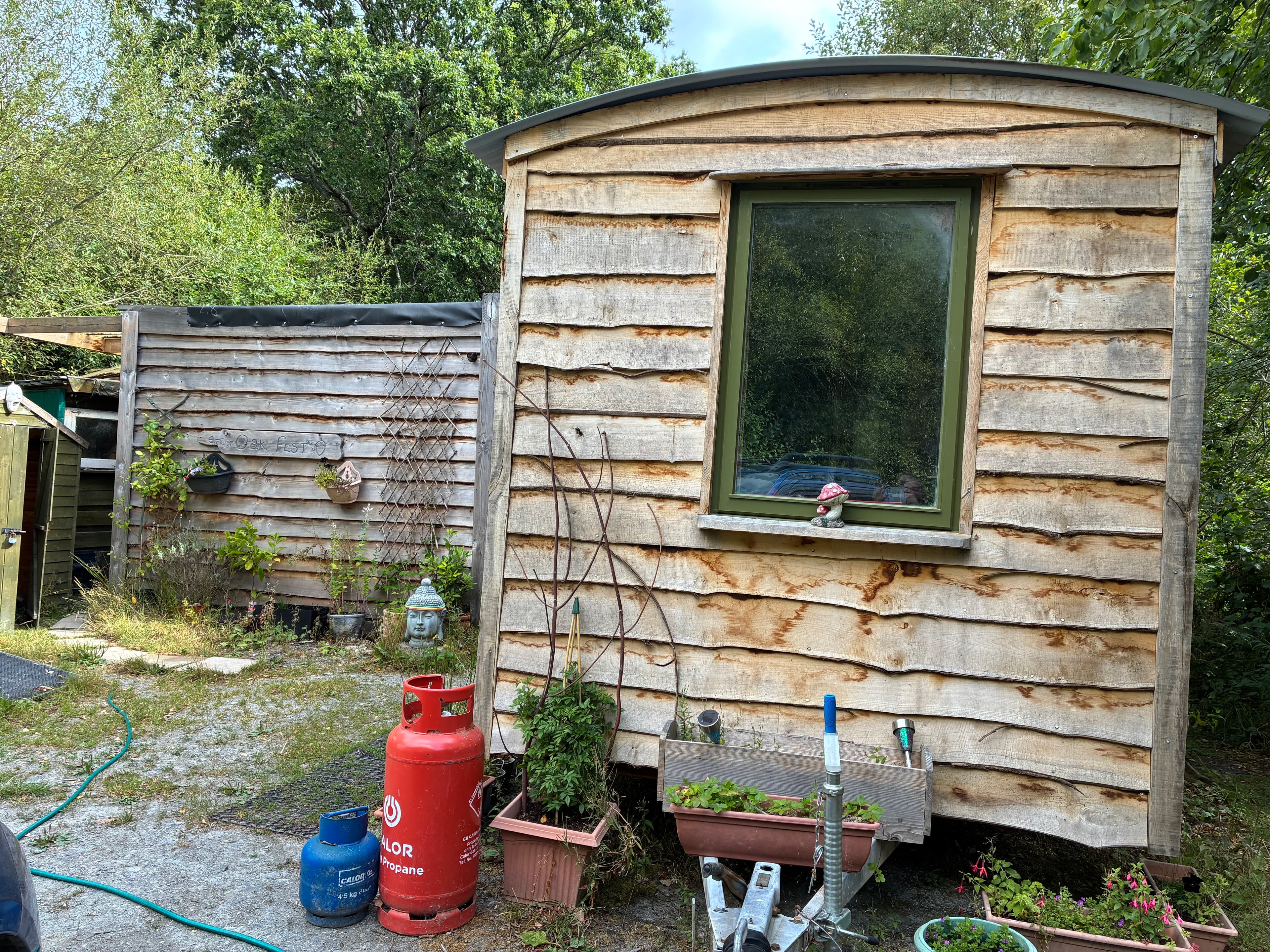
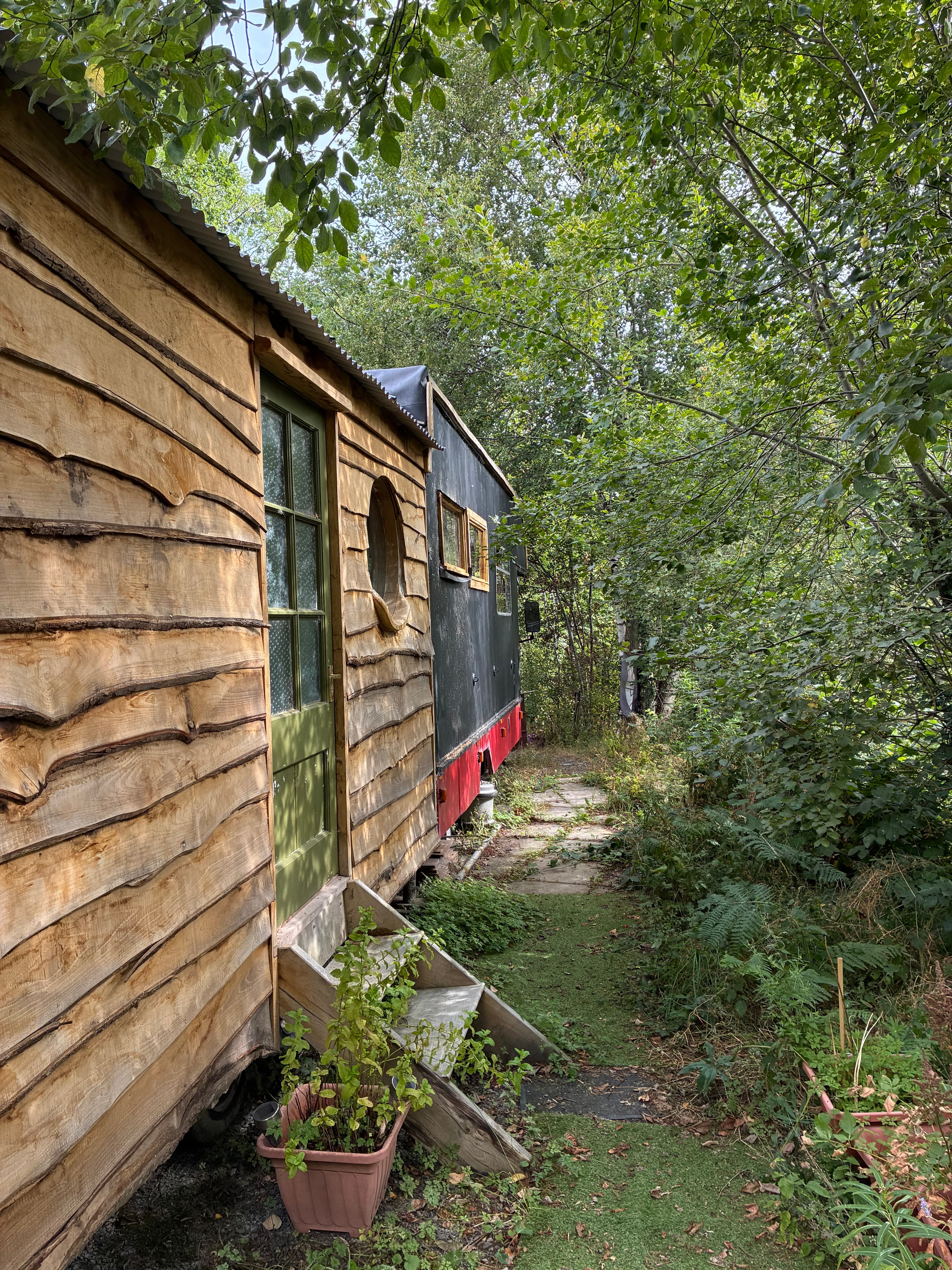
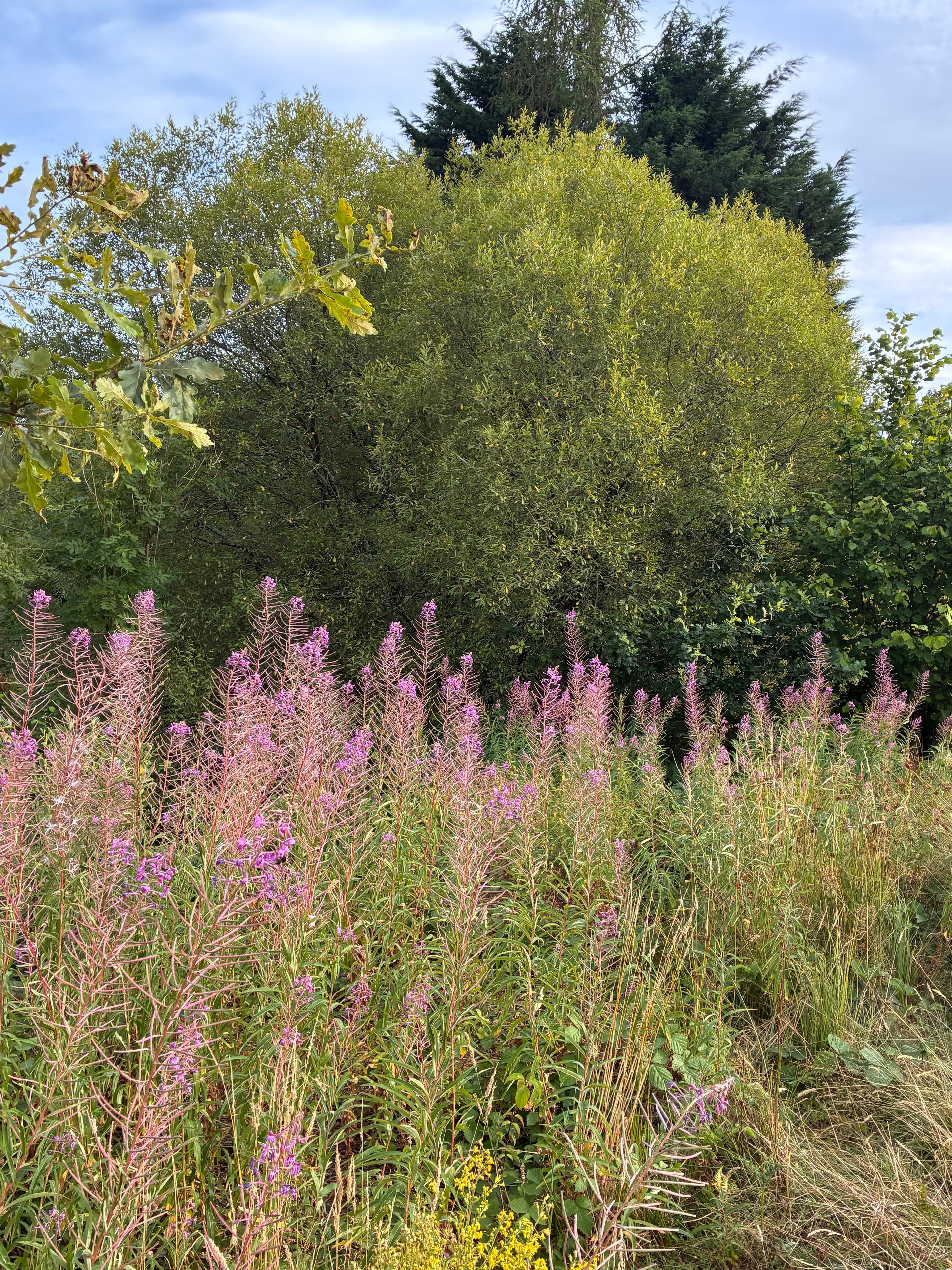
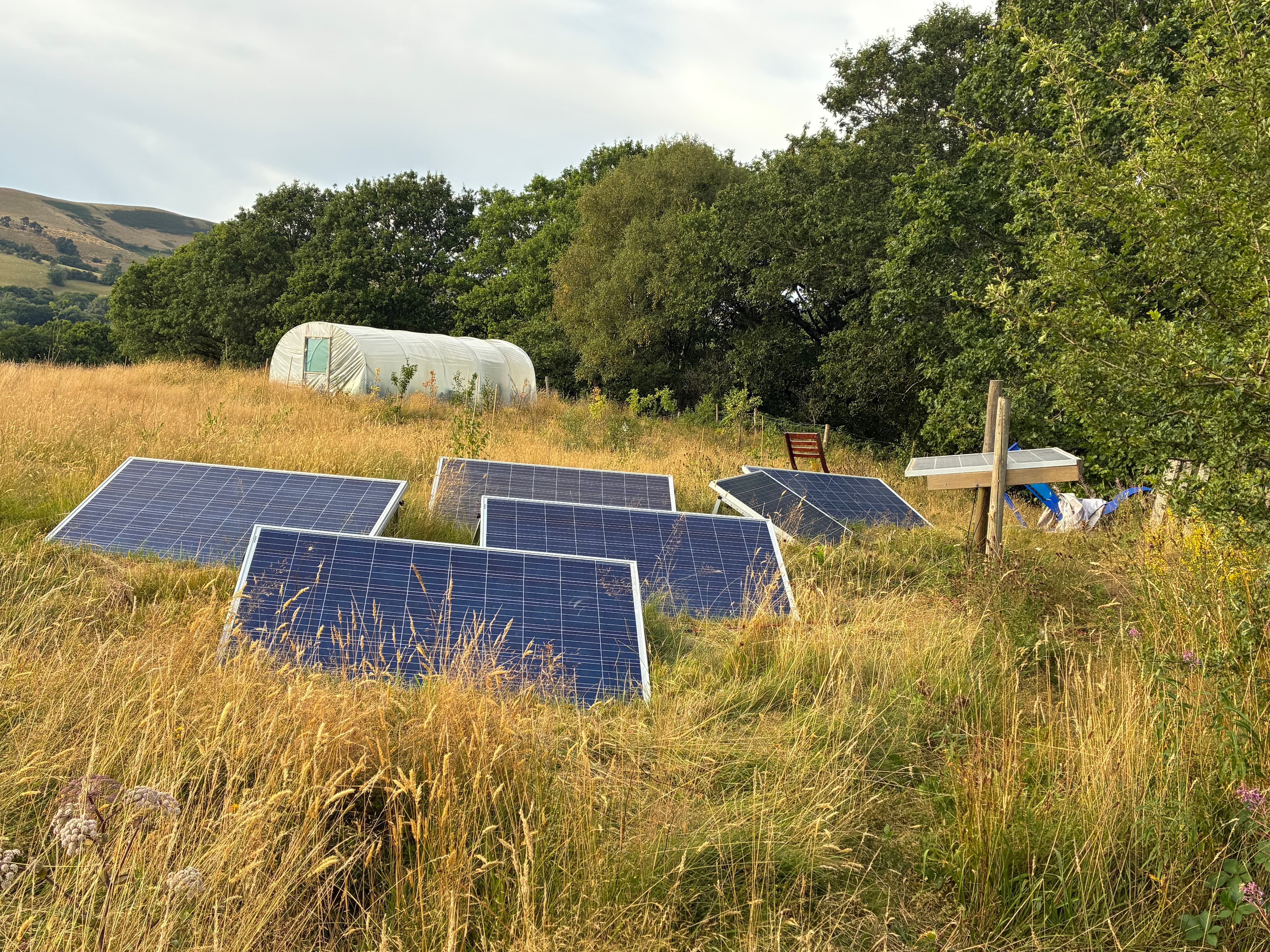
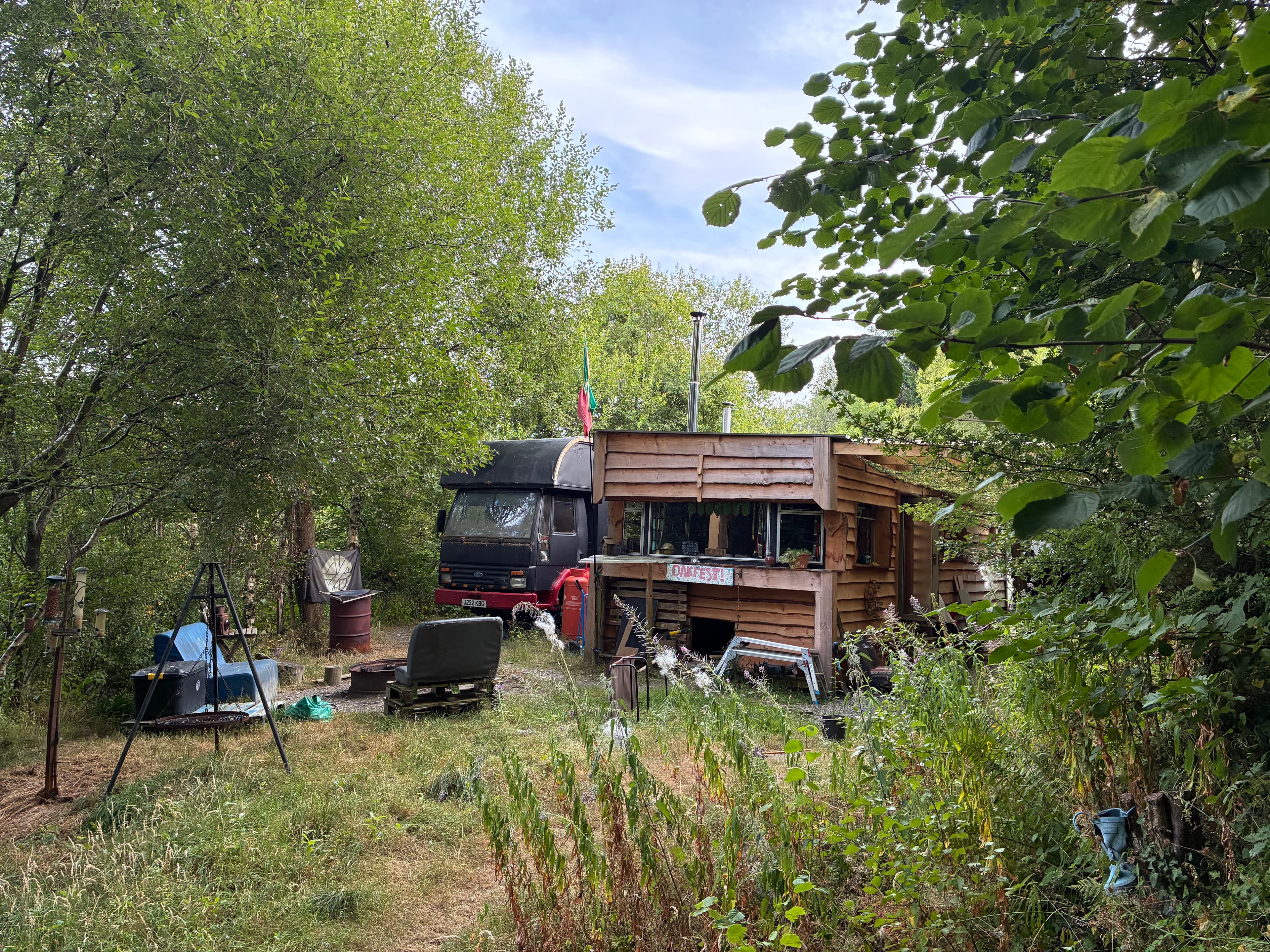
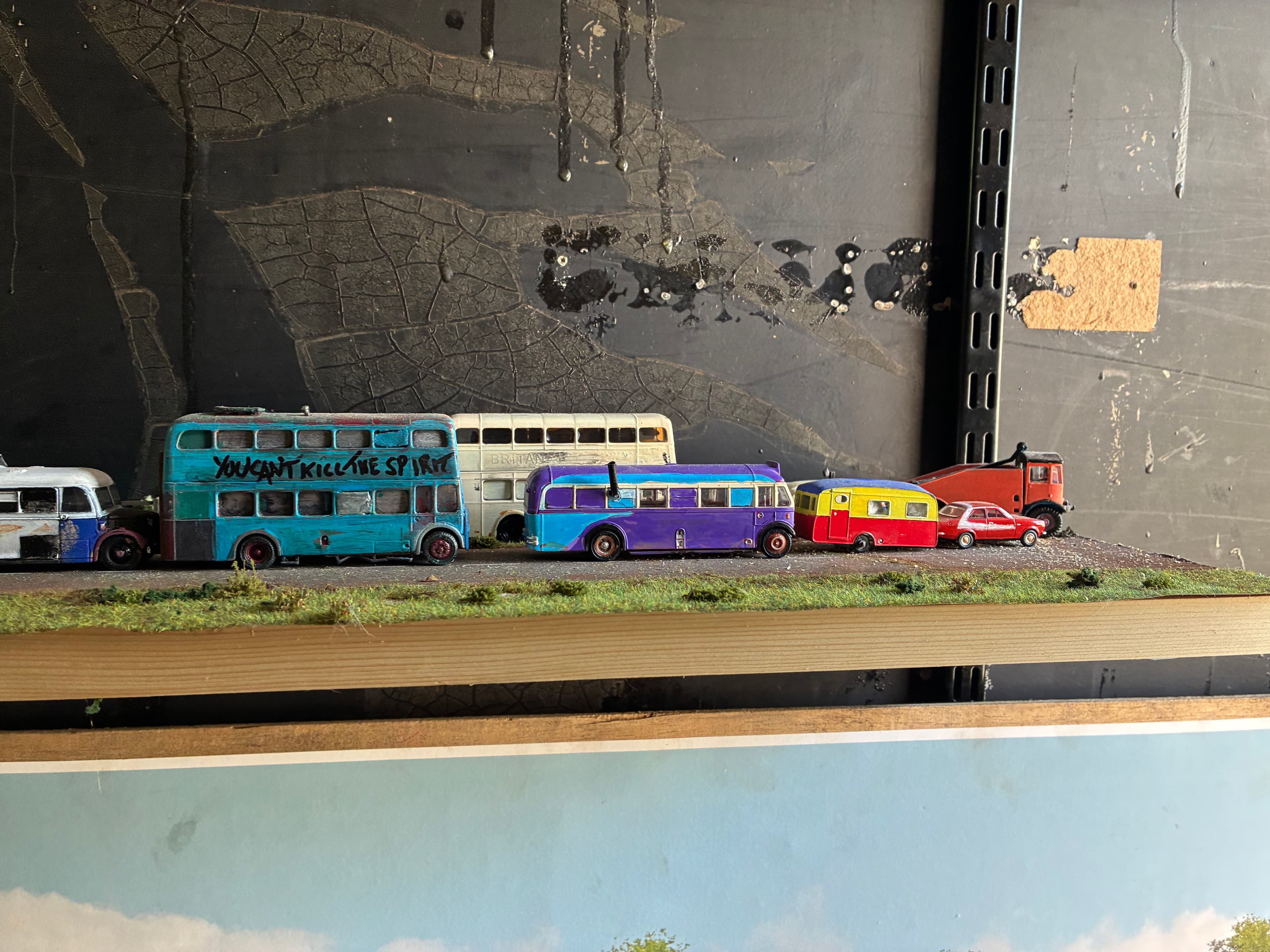
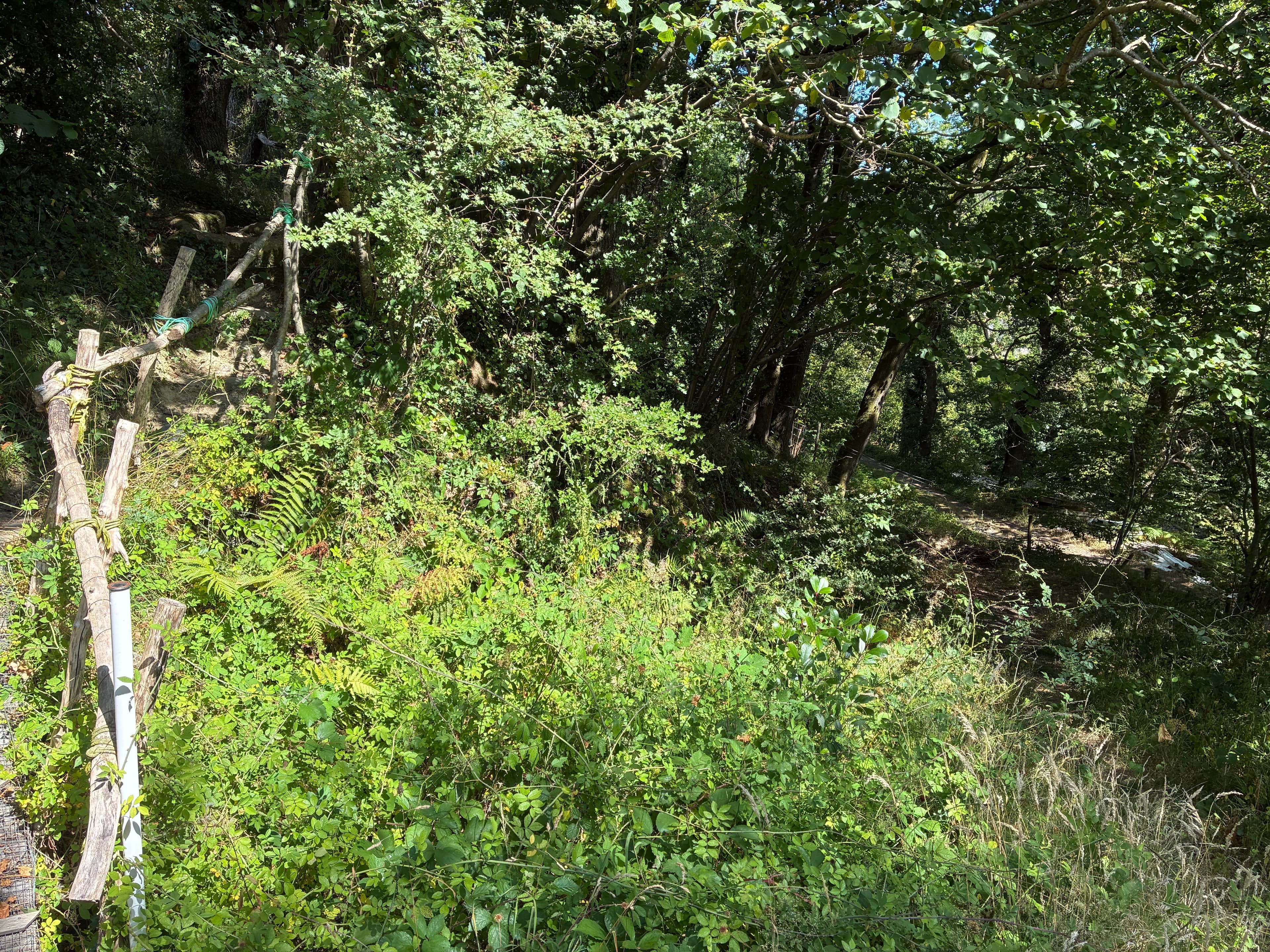
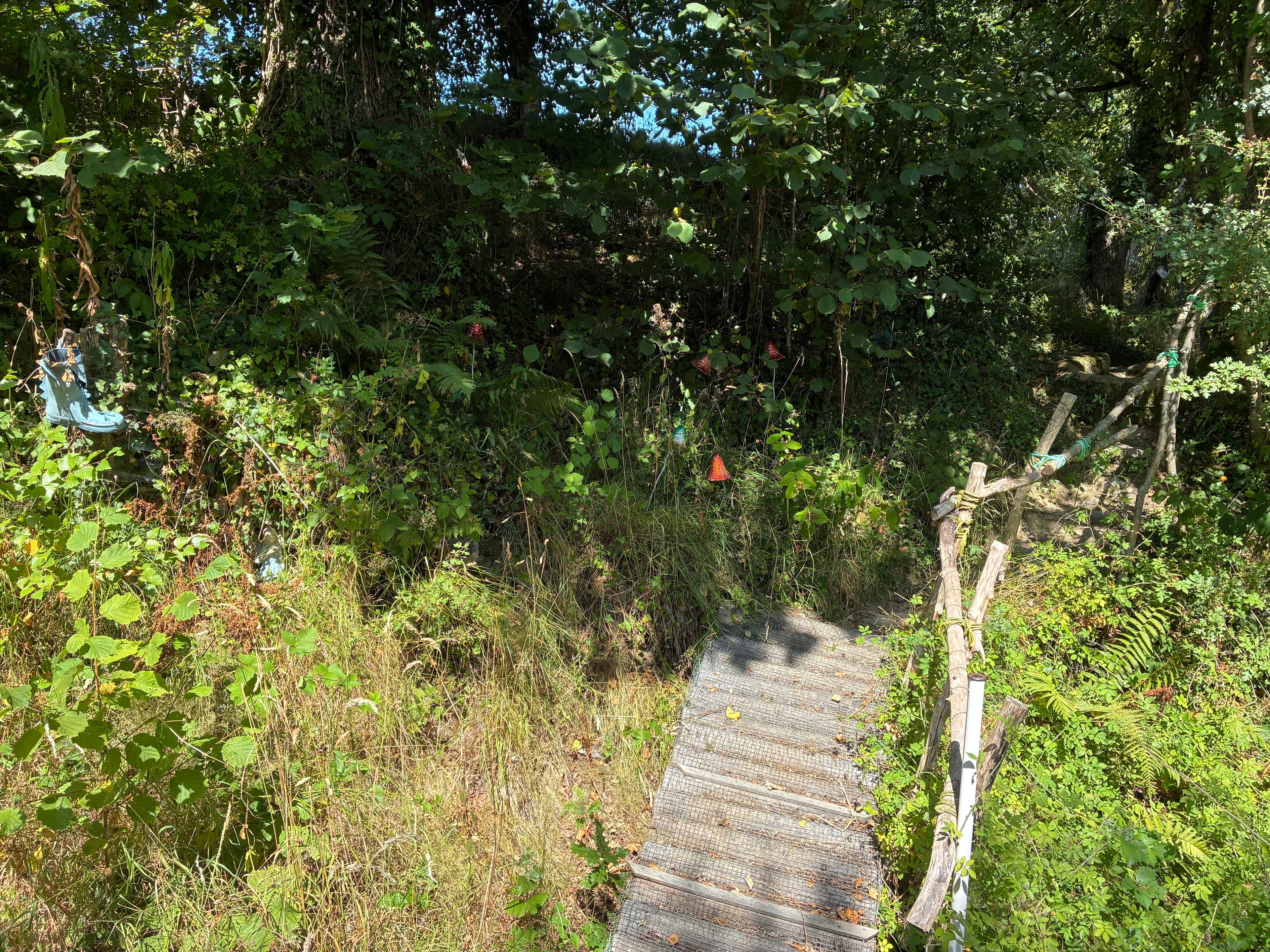
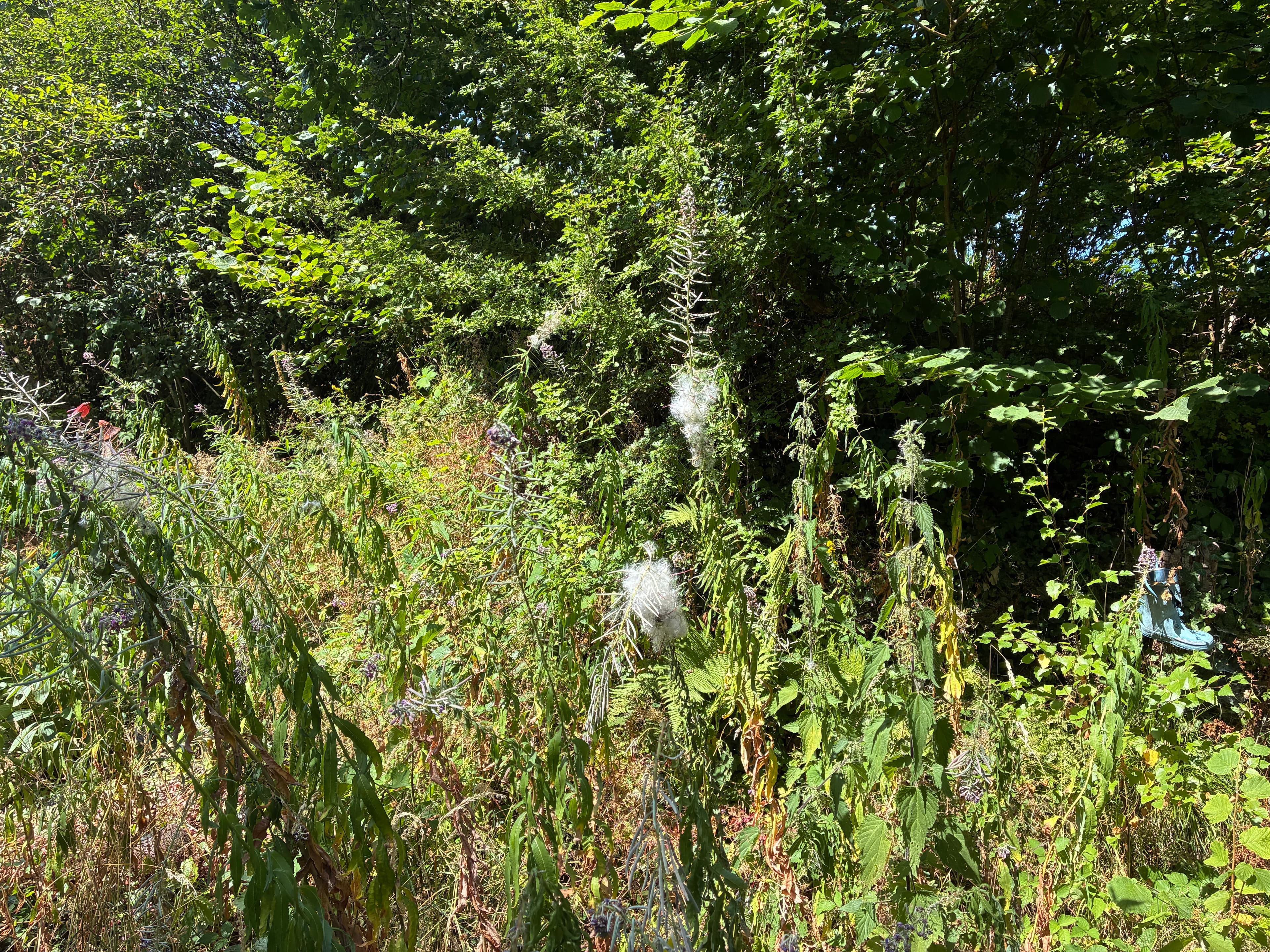
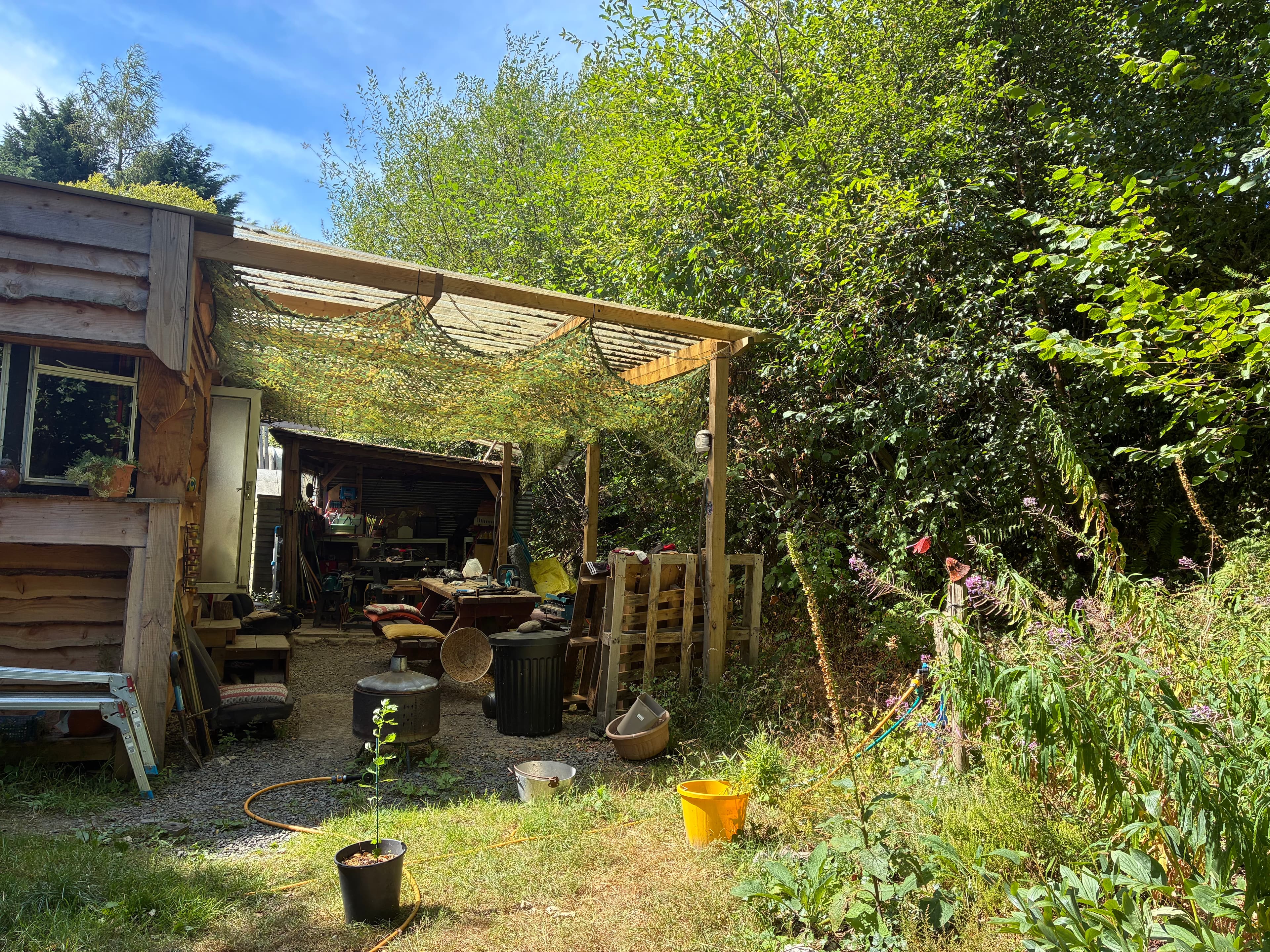
Around Oakwood
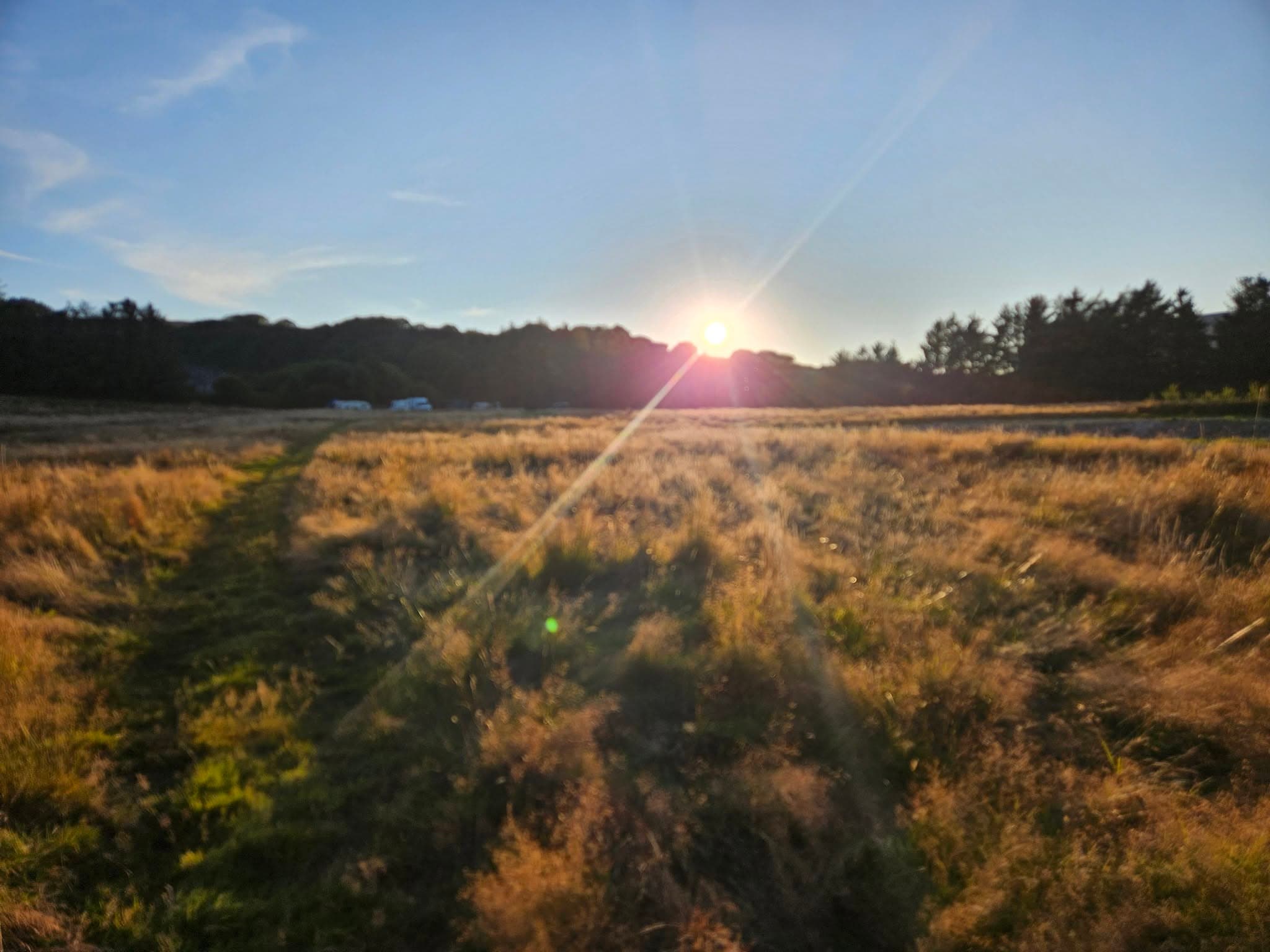
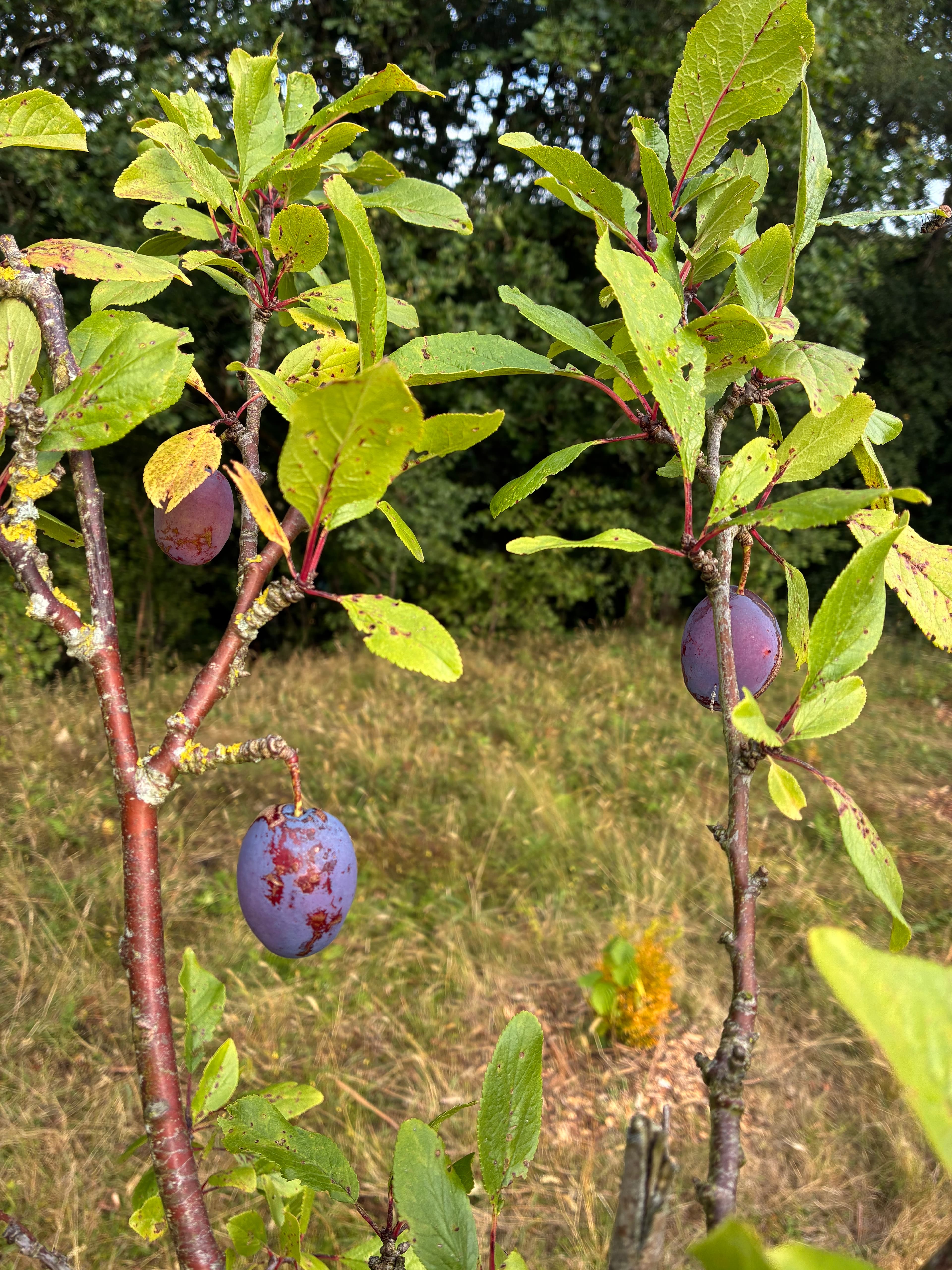
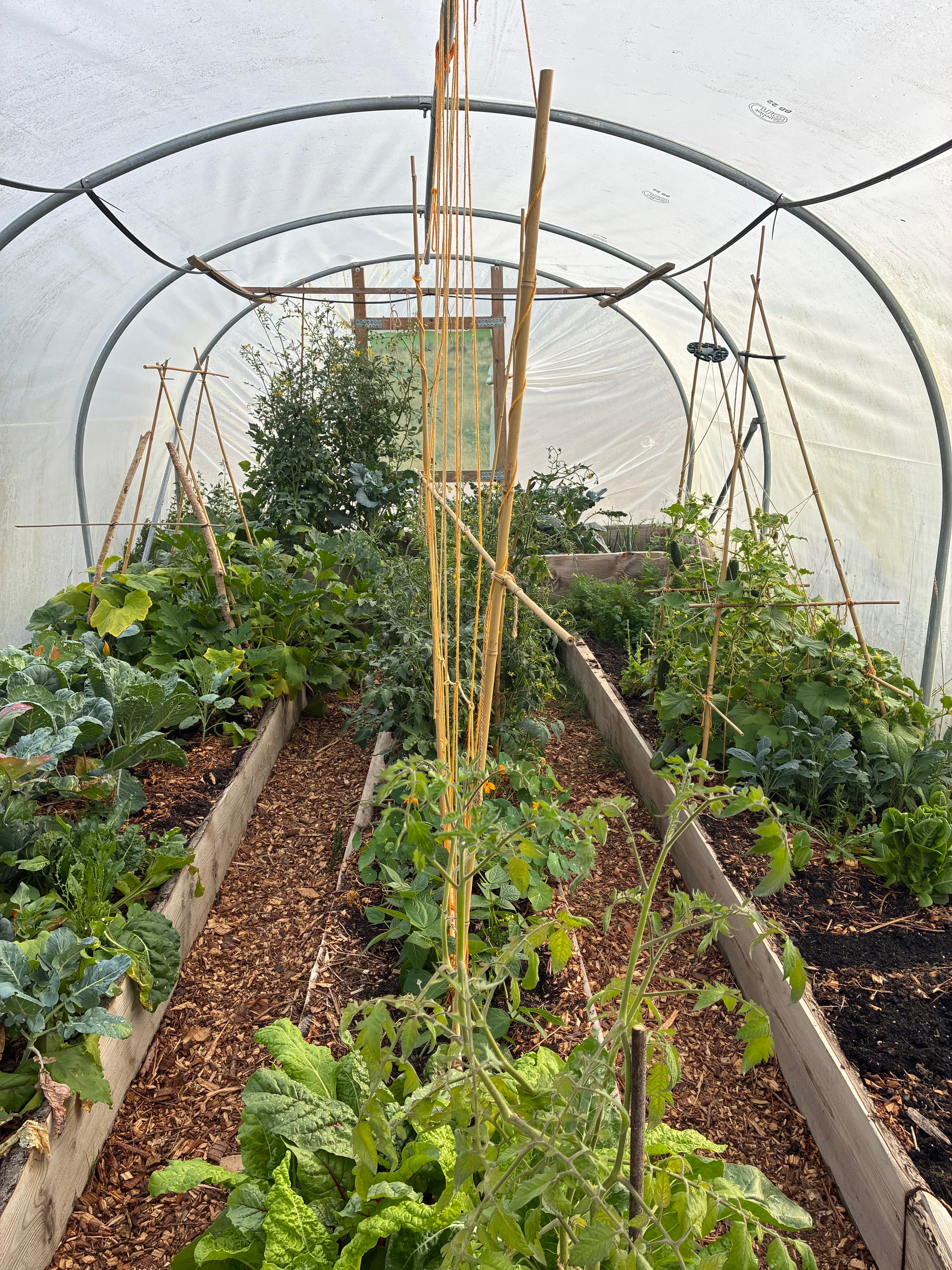
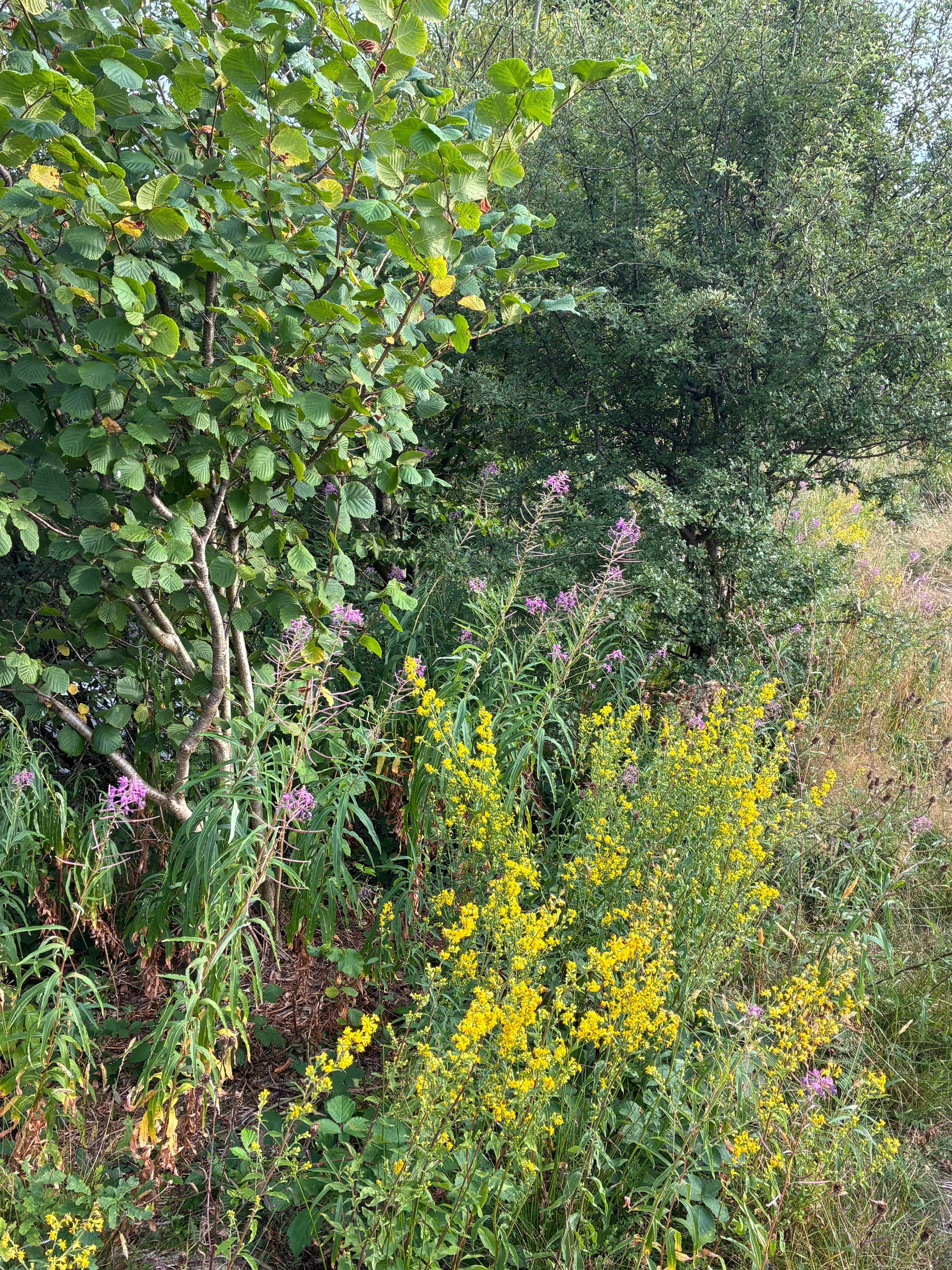
August photographs
Photographs from around Oakwood added throughout August 2026, including the latest images accompanying Newsletter Issue 13.

Overview
August is a month of transition. Growth begins to slow, many wildflowers are setting seed and young trees are consolidating rather than producing new growth. The aim this month is to continue encouraging biodiversity while beginning preparations for autumn planting. Intervention should remain light, allowing natural succession wherever possible.
Priority 1
Dock Management
Continue monitoring dock across the site.
Most plants should now have had their seed heads removed.
Focus on:
- Any plants that have re-flowered
- Isolated late-flowering individuals
- Preventing any remaining seed production
Leave stems in place where practical to recycle nutrients.
Avoid disturbing the soil.
Priority 2
Bracken
Continue weakening established stands.
Daily crushing remains worthwhile where practical.
Target:
- Once every day
The objective is to reduce energy reserves before winter.
Avoid damaging young trees and flowering plants hidden within the bracken.
Priority 3
Young Trees
Inspect all planted and naturally regenerated trees.
Continue:
- Mulching where required
- Watering only during prolonged dry spells
- Removing heavy grass competition immediately around trunks
Pay particular attention to:
- Oak
- Hazel
- Willow
- Hornbeam
- Siberian pine
- Horse chestnut
- Fruit trees
Continue allowing natural competition beyond the immediate mulch ring.
Priority 4
Woodland Expansion
Identify areas suitable for winter planting.
Mark locations for:
- Additional oaks
- Maple copse
- Willow
- Future hedgerows
Allow naturally regenerating saplings to dictate woodland shape wherever possible.
Priority 5
Seed Collection
Begin collecting seed from suitable native species.
Potential species include:
- Common knapweed
- Greater bird’s-foot trefoil
- Yarrow
- Teasel
- Meadowsweet
- Wild angelica
Store seed somewhere cool and dry for autumn sowing.
Leave plenty behind for wildlife and natural regeneration.
Priority 6
Meadow Management
Continue avoiding unnecessary mowing.
Allow late flowering species to complete their life cycle.
Monitor changes in dominance between grasses and flowering plants.
Record any new species appearing following this year's management.
Priority 7
Wood Chip
Continue using wood chip for:
- Young trees
- Orchard
- Woodland edge
- Pathways
- Polytunnel
Monitor remaining chip piles.
Spread any piles showing signs of heating.
Priority 8
Polytunnel
Harvest regularly.
Continue:
- Watering deeply
- Compost applications
- Nettle tea where appropriate
Prepare beds for autumn crops.
Remove diseased material promptly.
Continue using coffee grounds around heavy-feeding crops where appropriate.
Priority 9
Orchard Development
Monitor fruit development.
Continue mulching.
Water only if drought conditions persist.
Remove vegetation immediately surrounding trunks where necessary.
Begin planning winter planting of additional cider varieties.
Priority 10
Wildlife Habitat
Expand structural diversity.
Continue creating:
- Brash piles
- Log piles
- Deadwood habitat
- Insect refuges
Leave standing deadwood wherever safe.
Avoid disturbing nesting birds or mammal refuges.
Priority 11
Species Recording
Continue photographing and recording species.
Plants
- Late summer flowers
- Fungi – where present
- Grasses
- Sedges
- Rushes
Insects
- Butterflies
- Bees
- Hoverflies
- Dragonflies
- Grasshoppers
Birds
- Fledged juveniles
- Feeding behaviour
- Migration activity
Record notable changes since spring.
Priority 12
Pond-da-Rosa Area
Continue encouraging natural succession.
Monitor:
- Willow establishment
- Marsh plants
- Rushes
- Dragonflies
- Amphibians
Avoid excessive intervention.
Only remove vegetation where it threatens newly planted trees.
Priority 13
Autumn Preparation
Begin organising materials for autumn work.
Prepare:
- Tree guards
- Stakes
- Mulch
- Planting locations
- Seed storage
- Tool maintenance
Order any trees required for winter planting.
General Principles for August
- Let natural succession continue.
- Intervene only where necessary.
- Continue suppressing the most aggressive species.
- Encourage self-seeded trees.
- Leave flowering and seed-producing plants wherever practical.
- Build soil through continual mulching.
- Prepare for autumn rather than forcing further summer growth.
End of Month Review
At the end of August assess:
- Has dock been successfully prevented from reseeding?
- Has daily bracken management weakened the largest stands?
- Which self-seeded trees have established successfully?
- Which wildflower species have produced viable seed?
- Are the new woodland areas developing naturally?
- Which parts of the site now require almost no management?
- What planting stock is required for the coming winter?
The long-term objective remains unchanged: to guide Oakwood towards a resilient, self-sustaining woodland and meadow ecosystem where natural processes increasingly replace human management. The role of intervention is gradually shifting from control towards observation and gentle guidance.