Monthly newsletter companion
July 2026 Appendix
A growing monthly record of Oakwood, combining weekly photographs with the July rewilding plan.
Updated alongside the July newsletters
Week of 27 July 2026
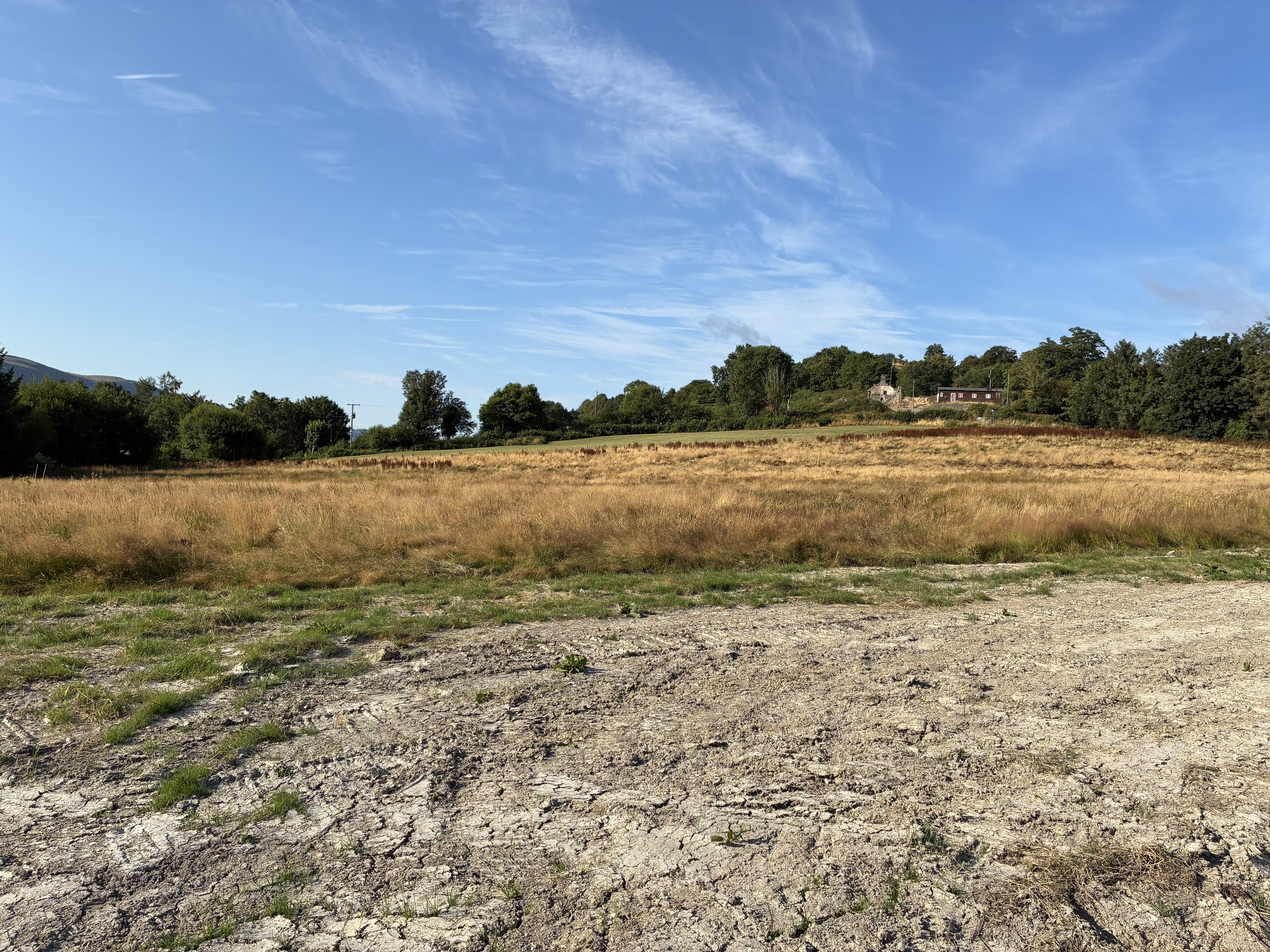
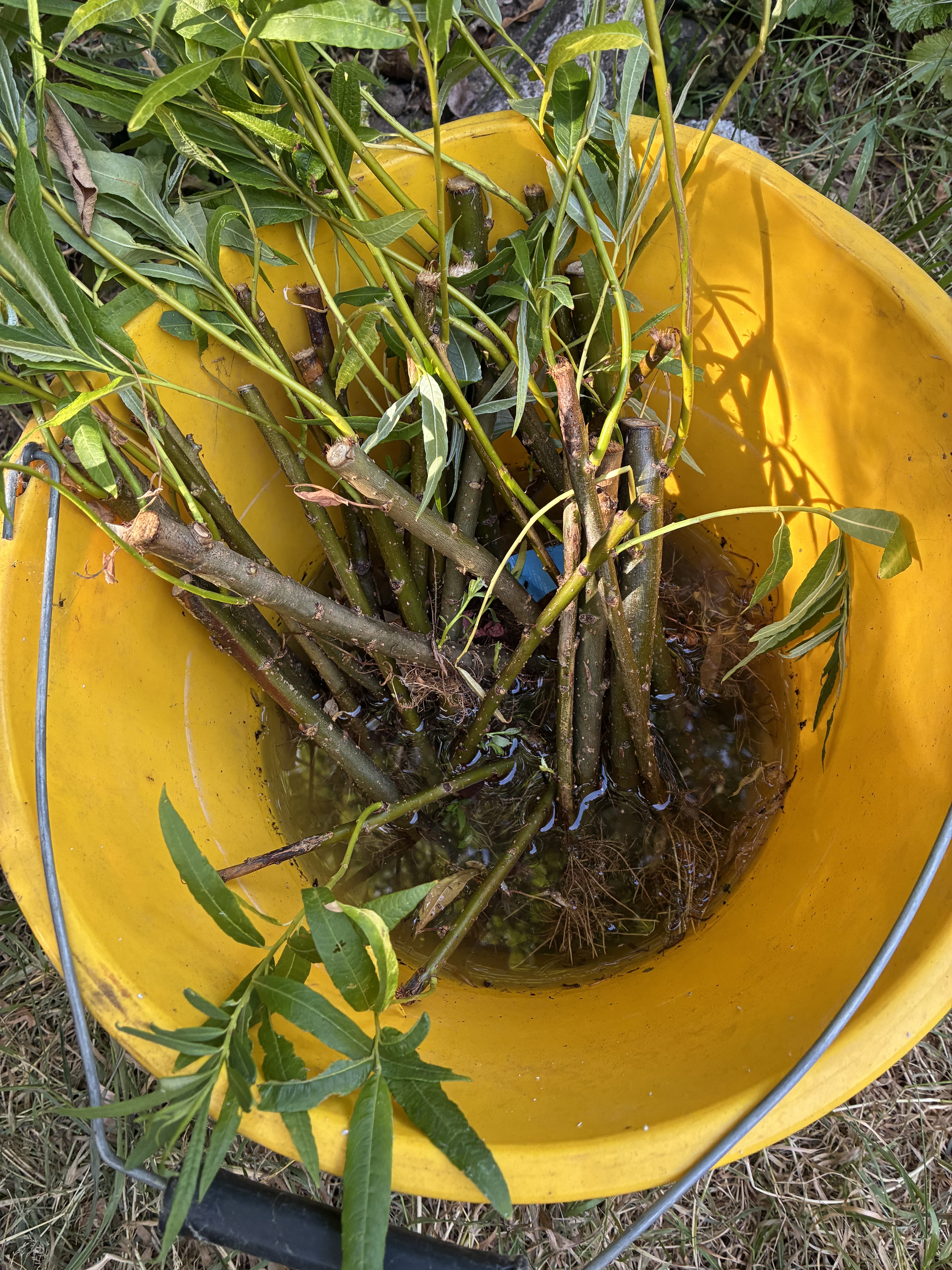
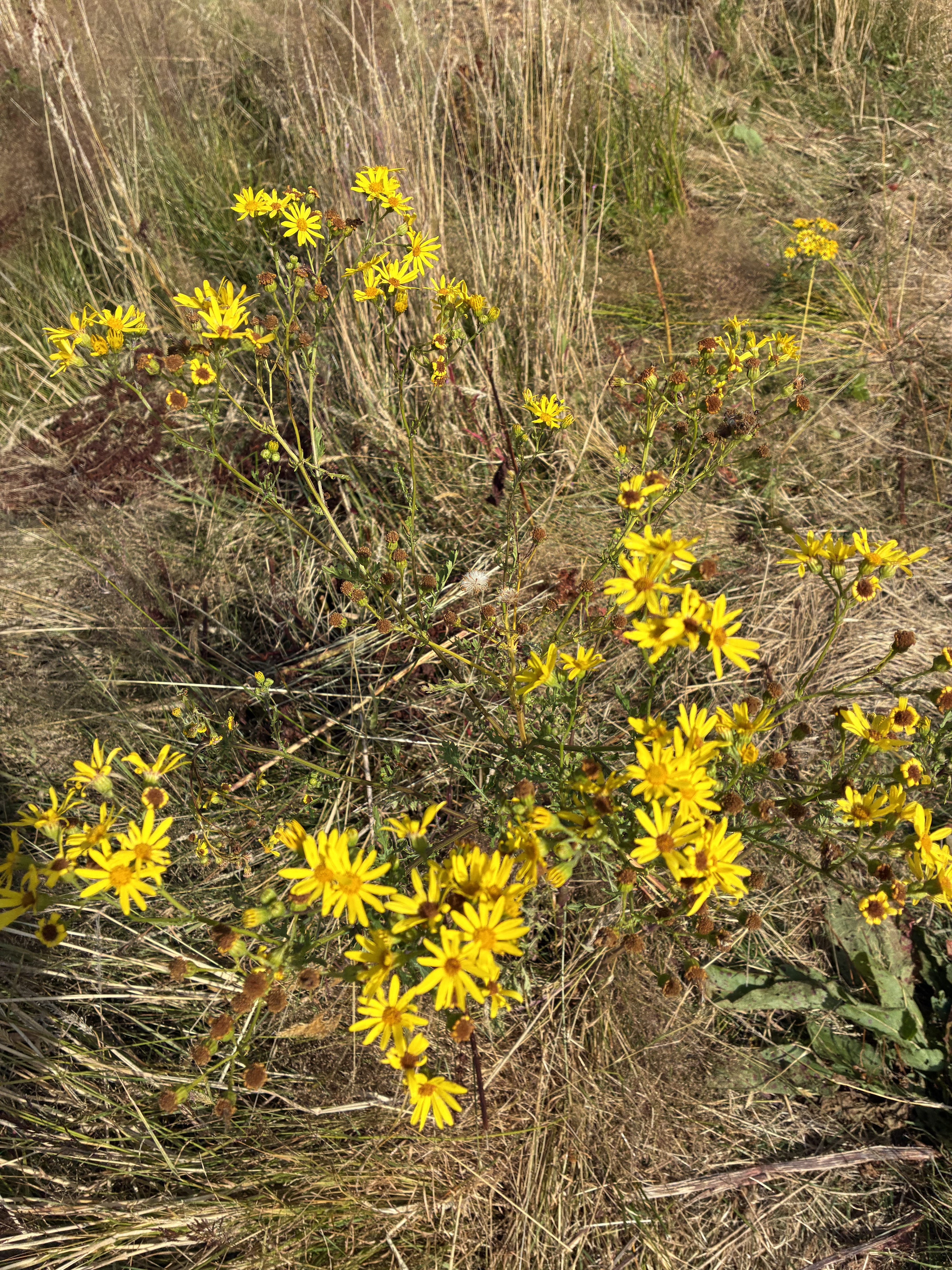
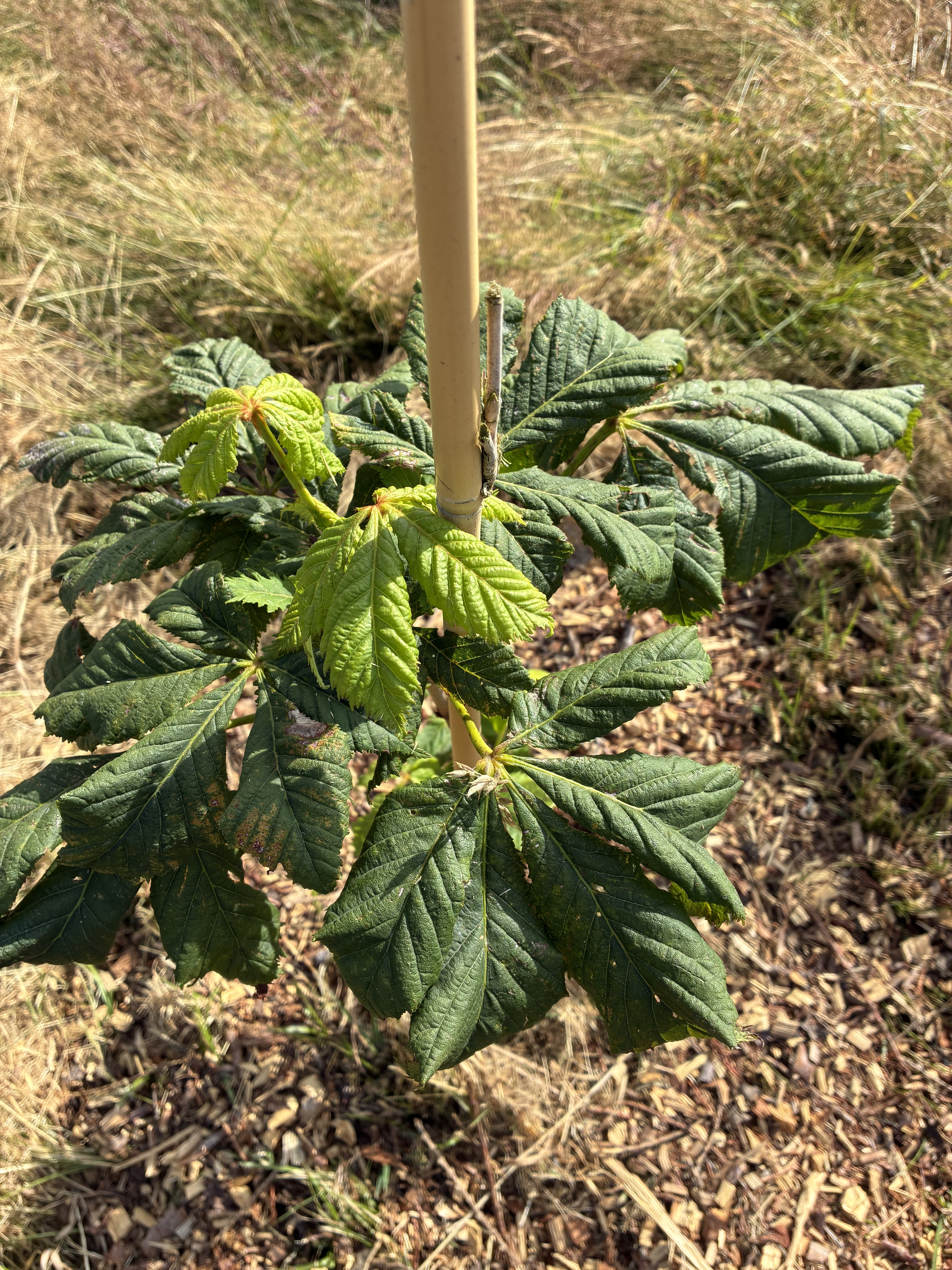
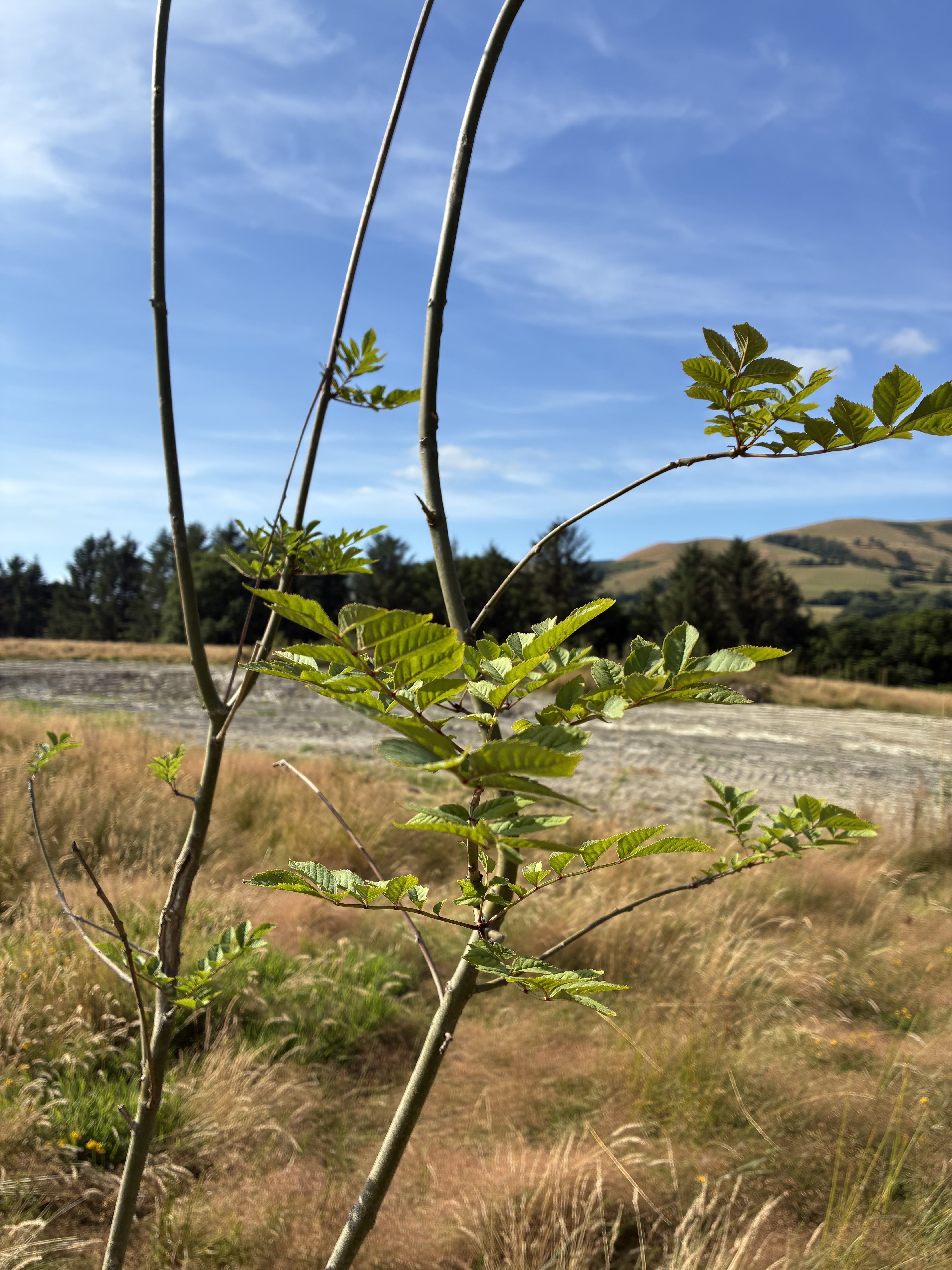
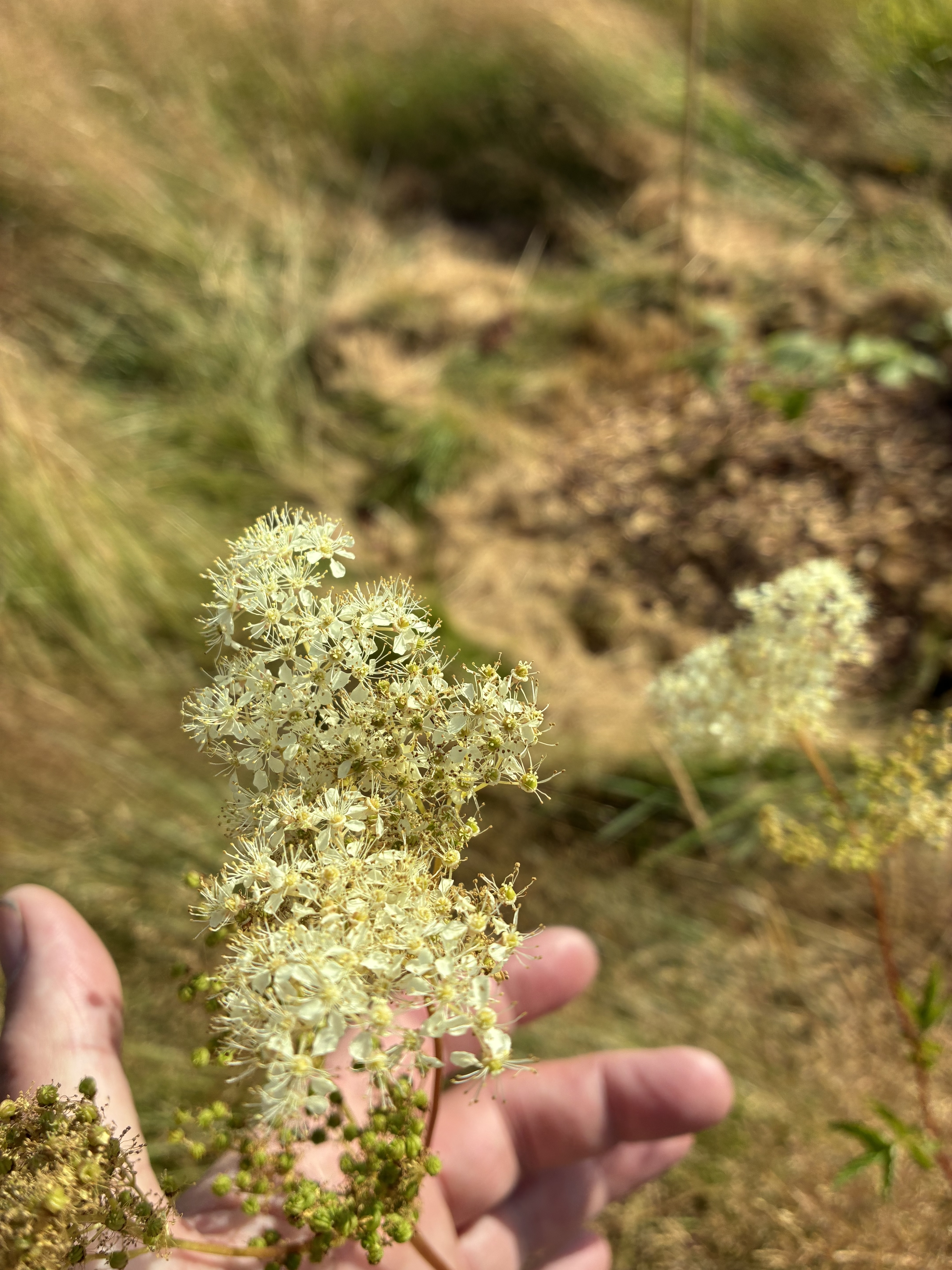
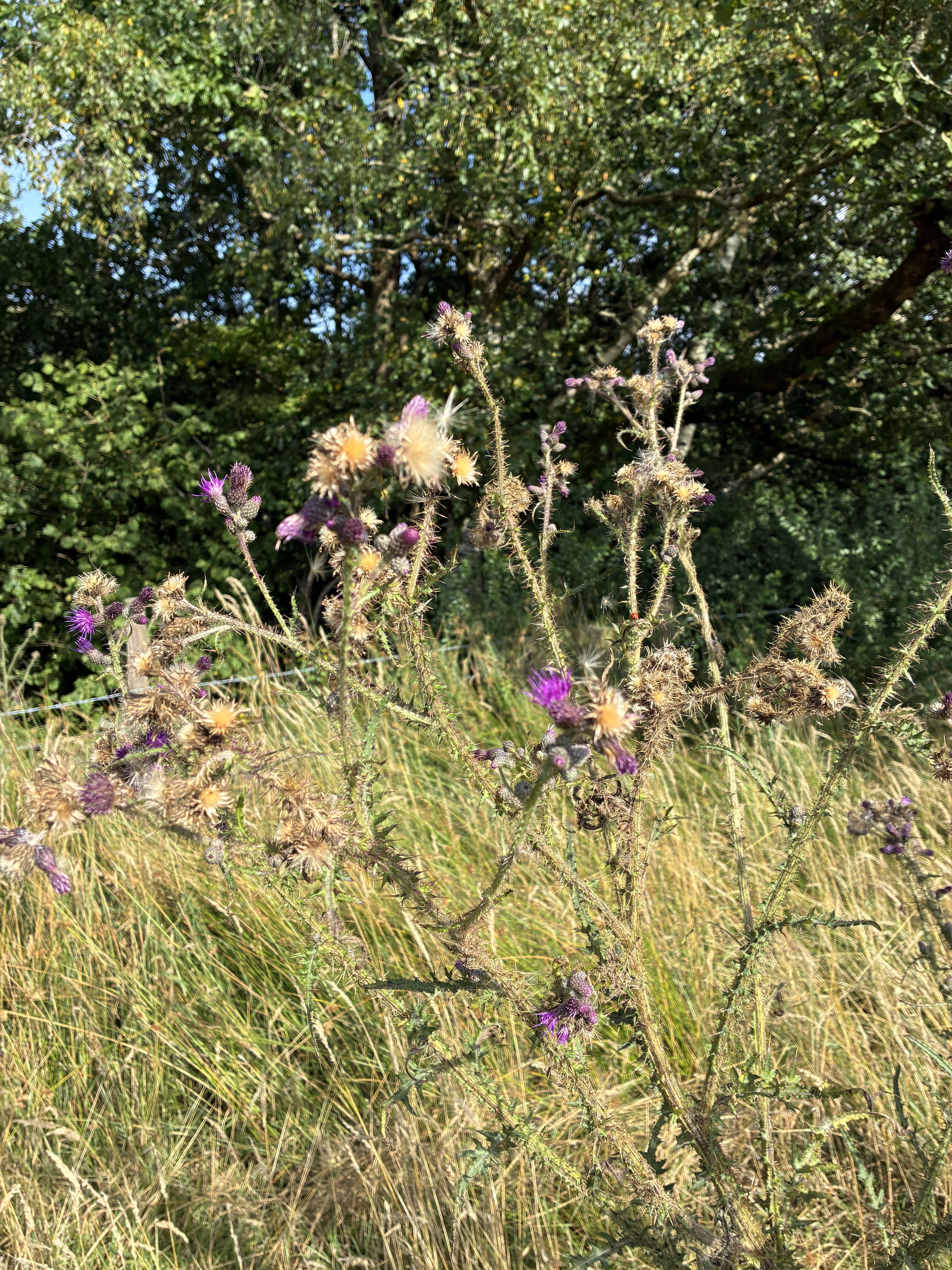
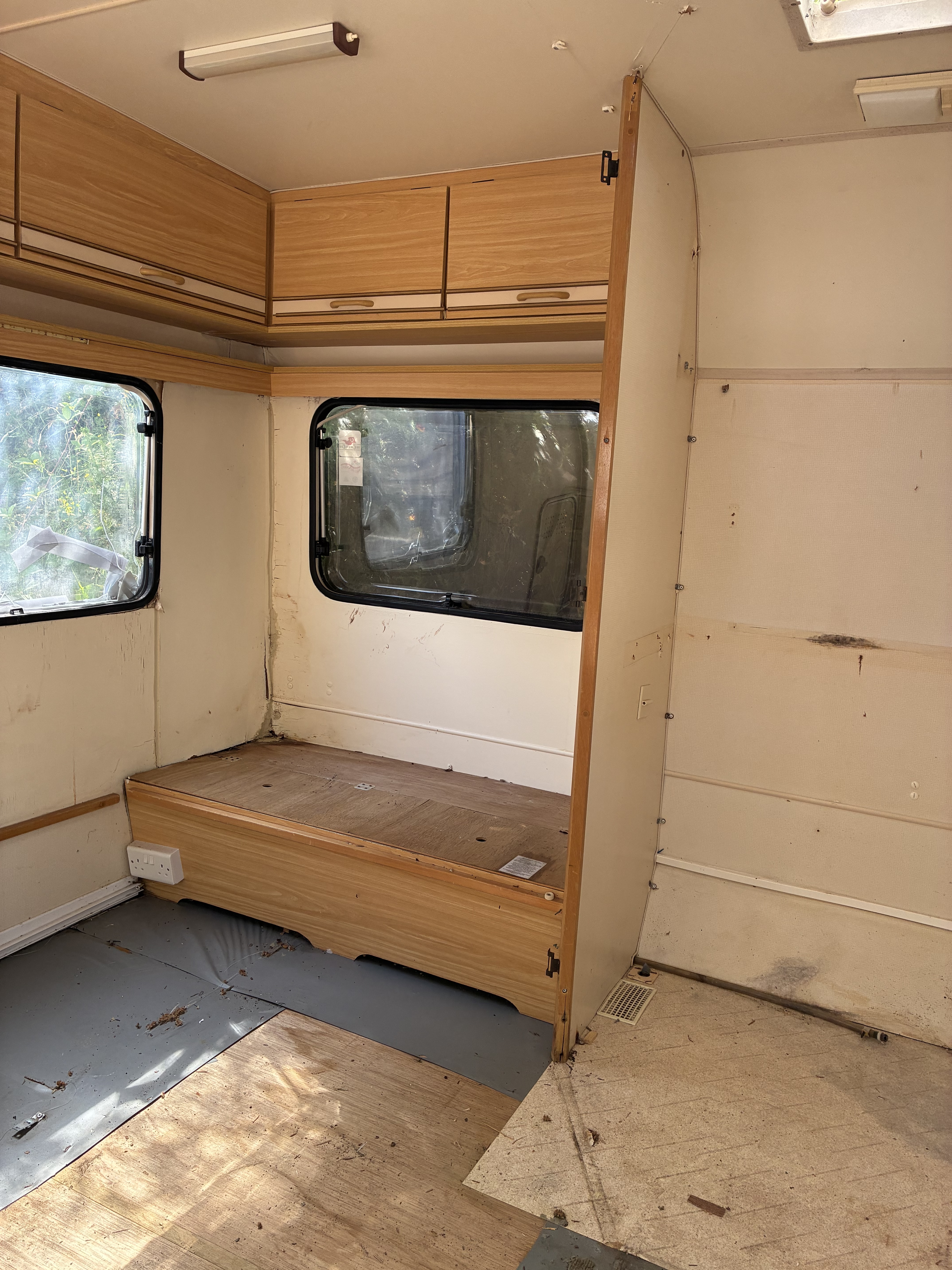
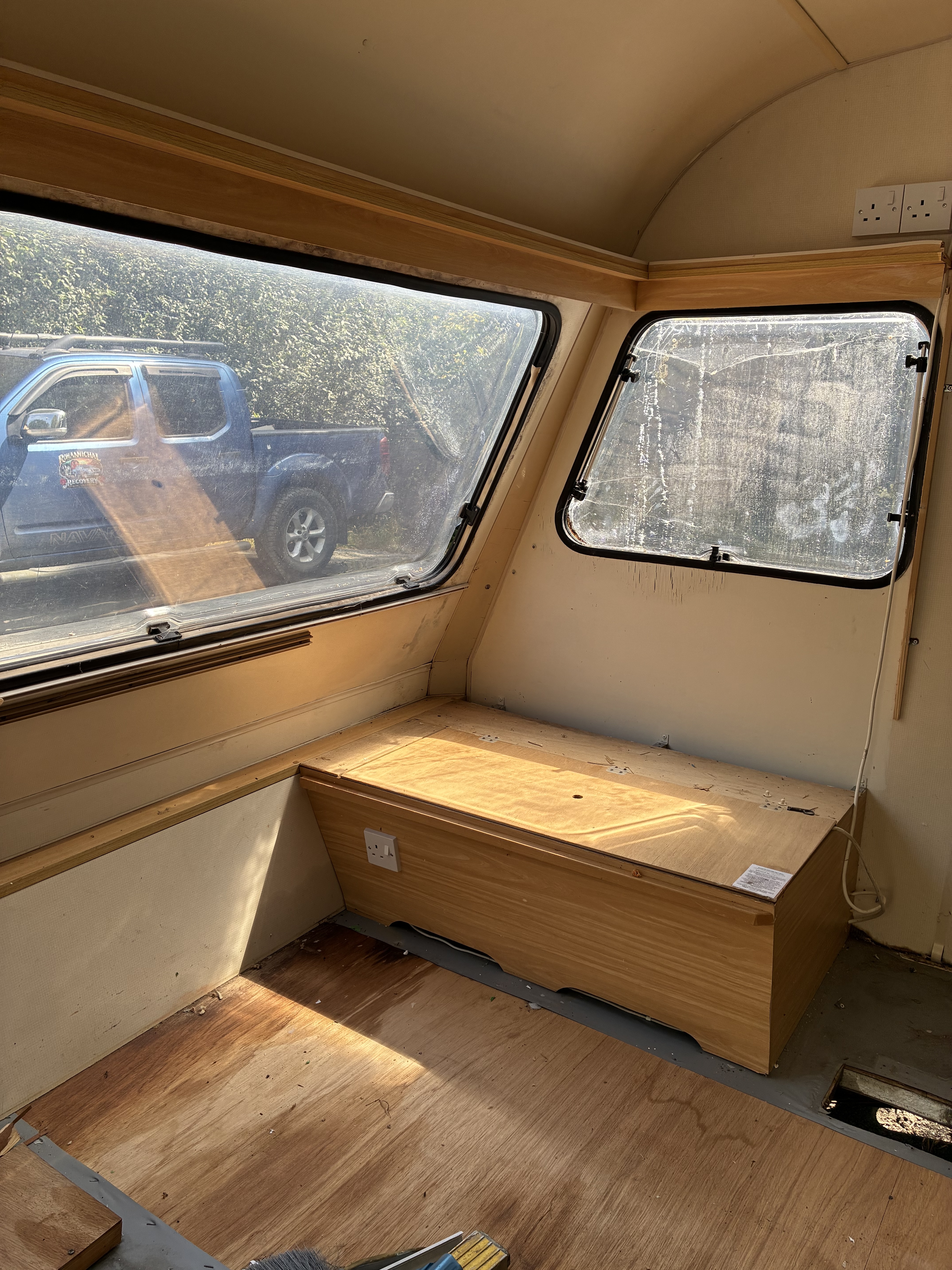
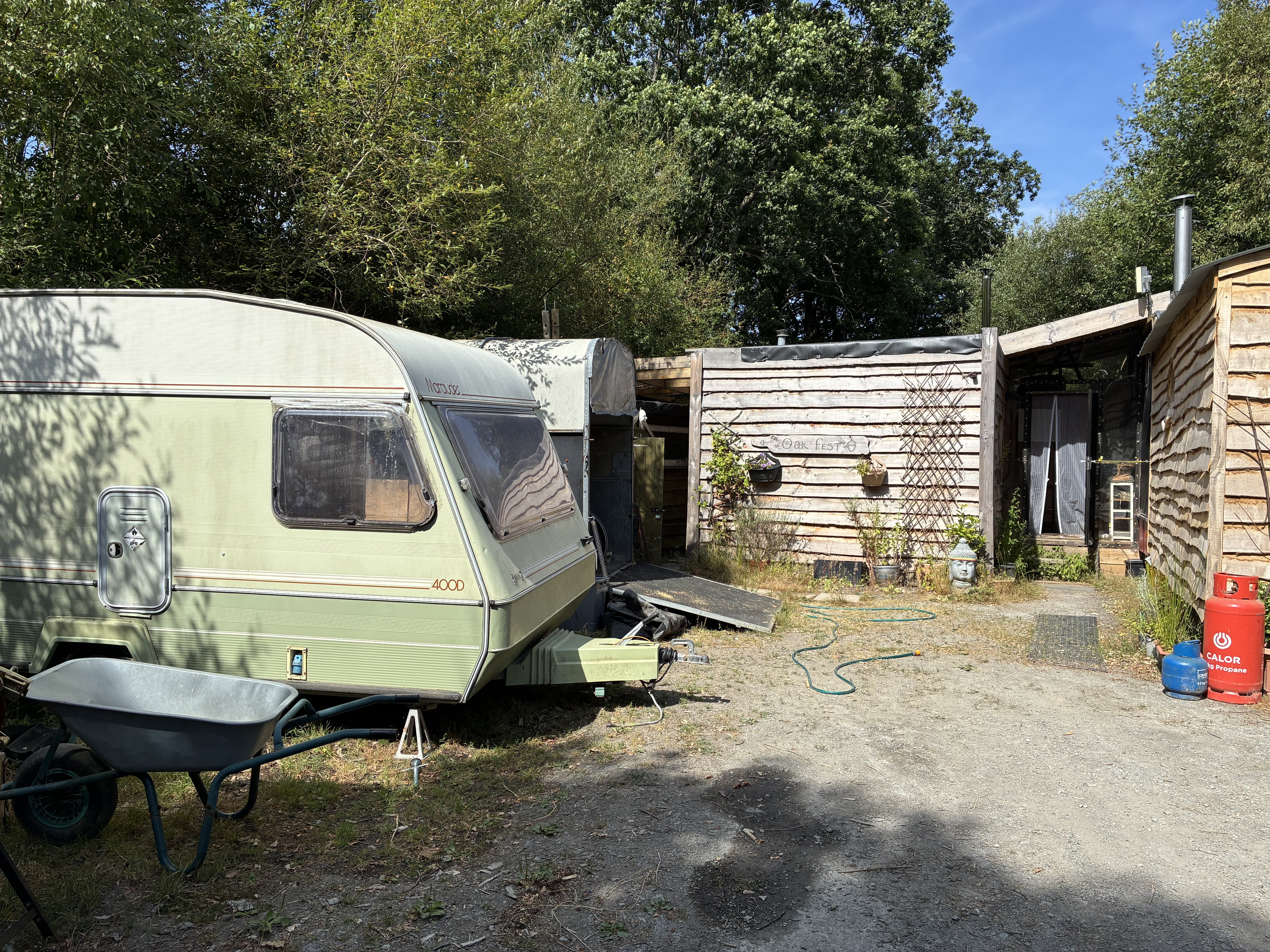
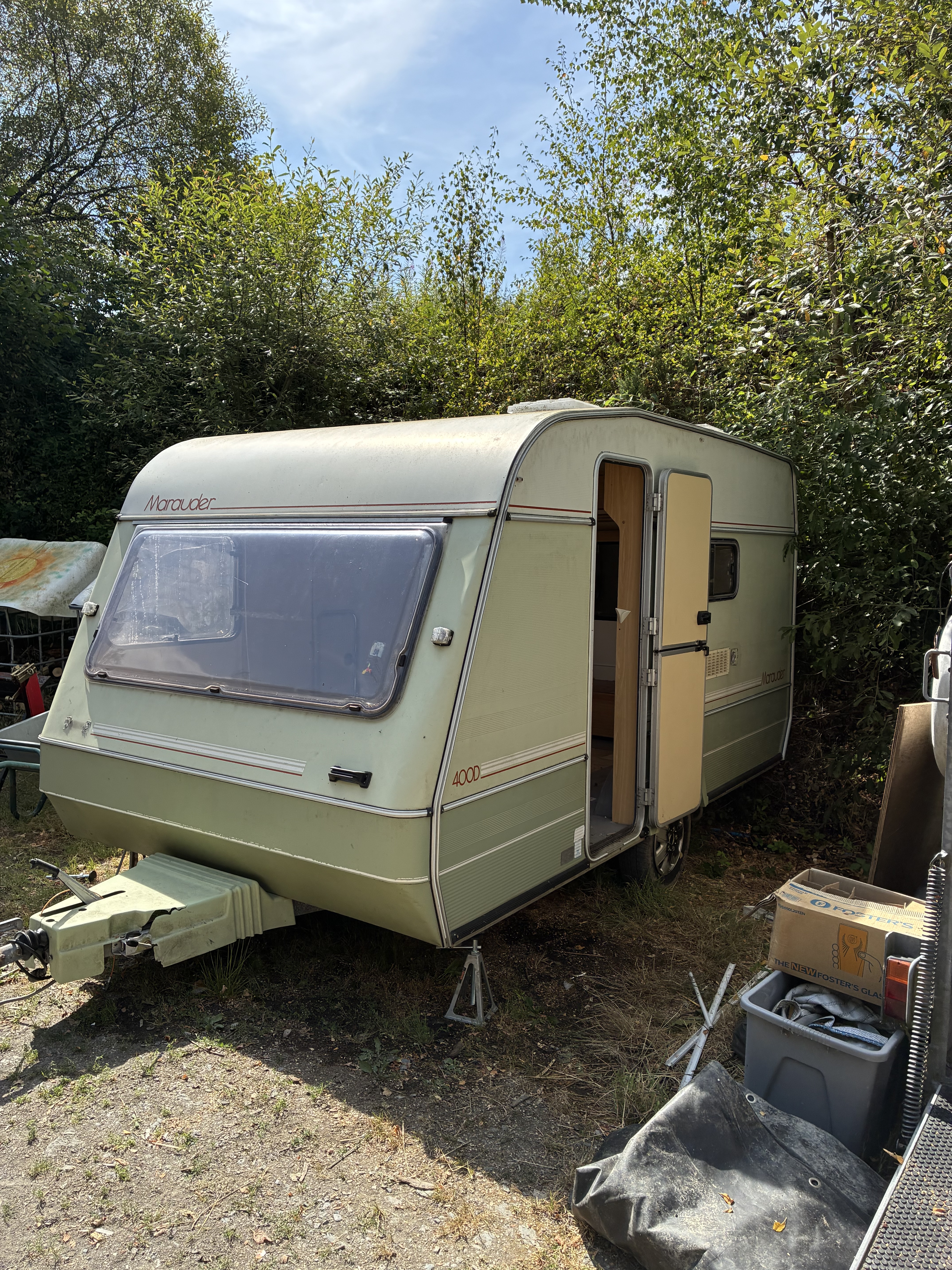
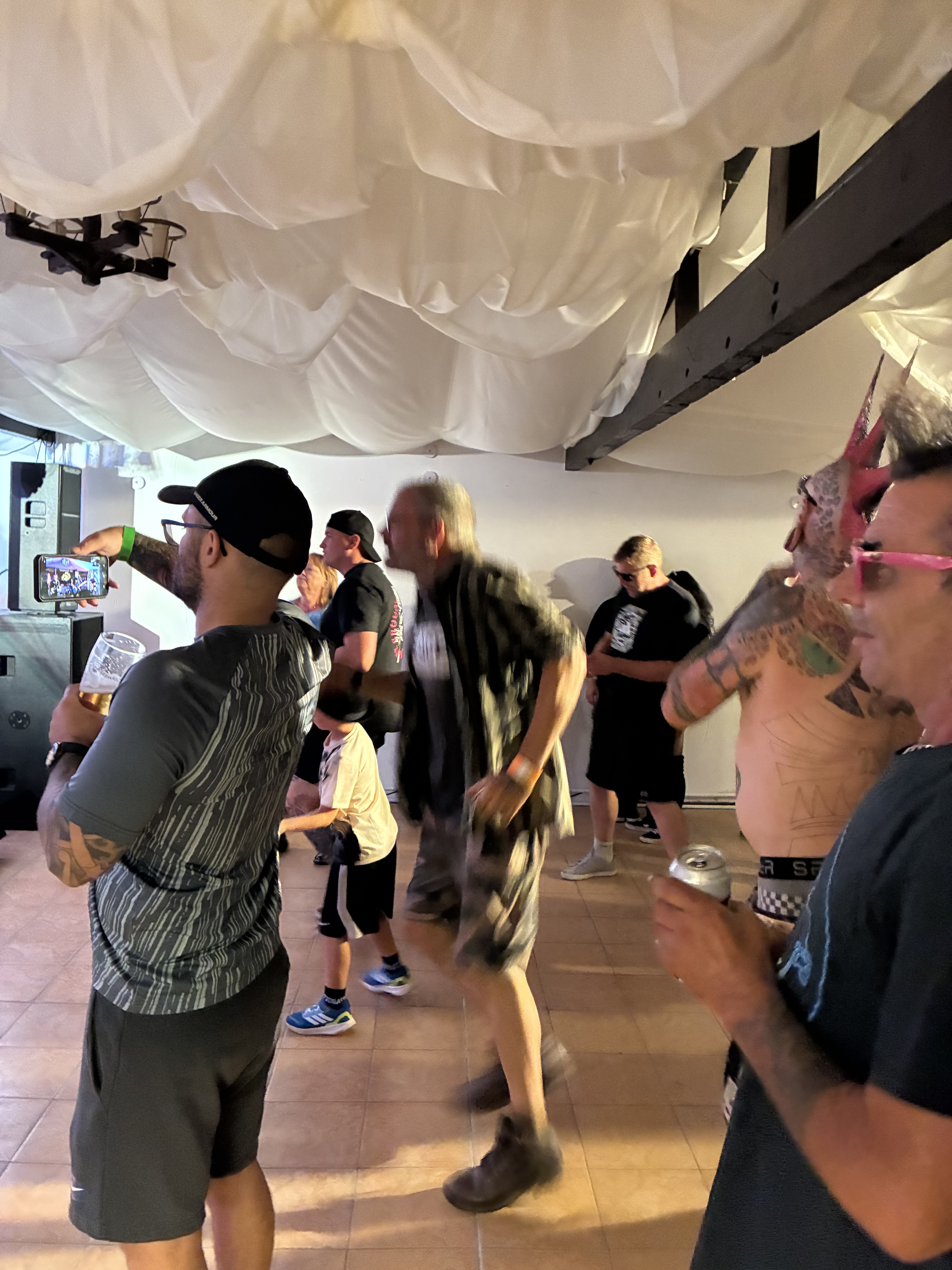
Newsletter 9 photographs
The latest photographs from Oakwood and the week's work, wildlife, rewilding, growing projects and DJ activities.
Select any photograph to open the full-sized image.


Week of 21 July 2026
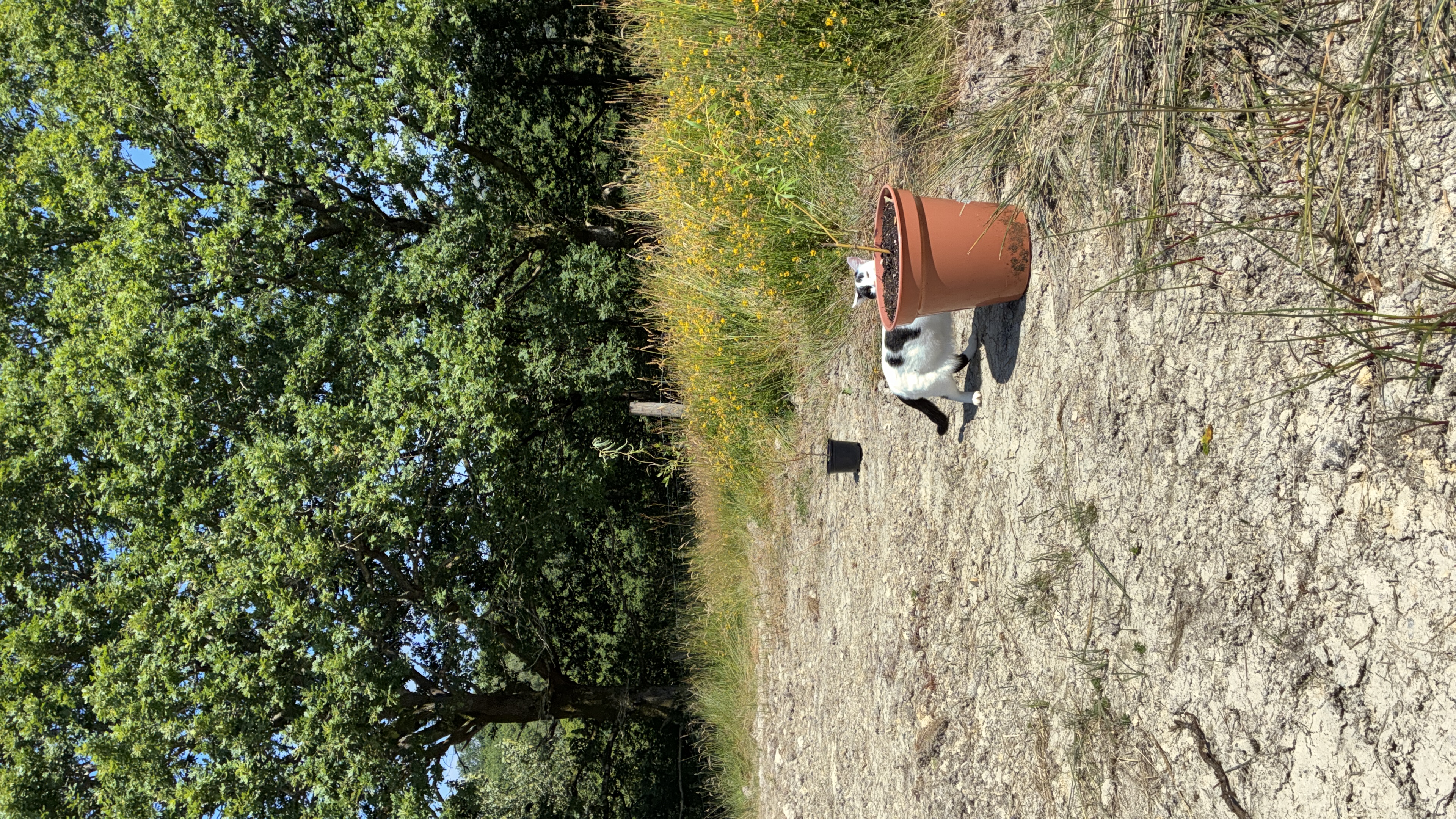
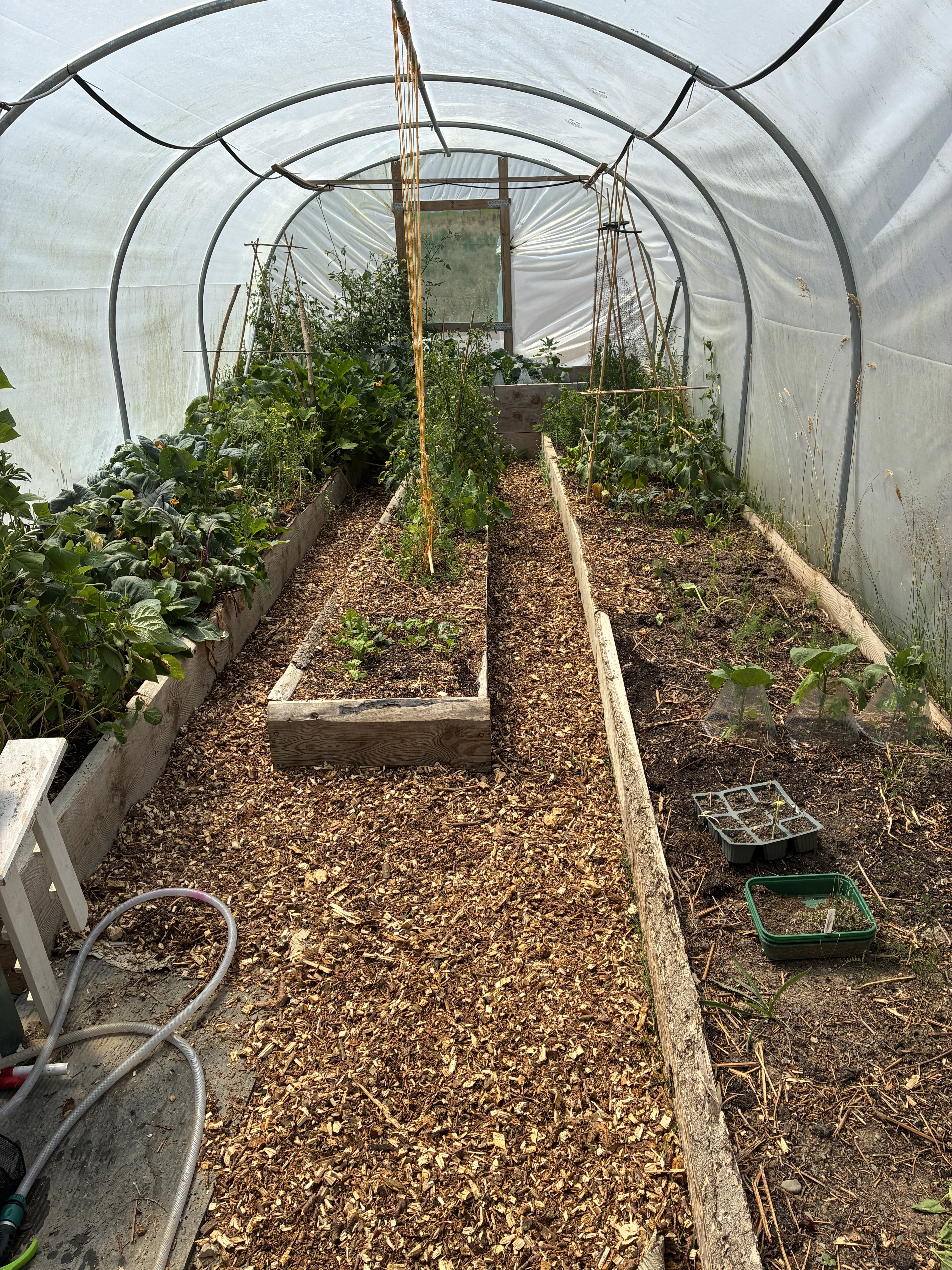
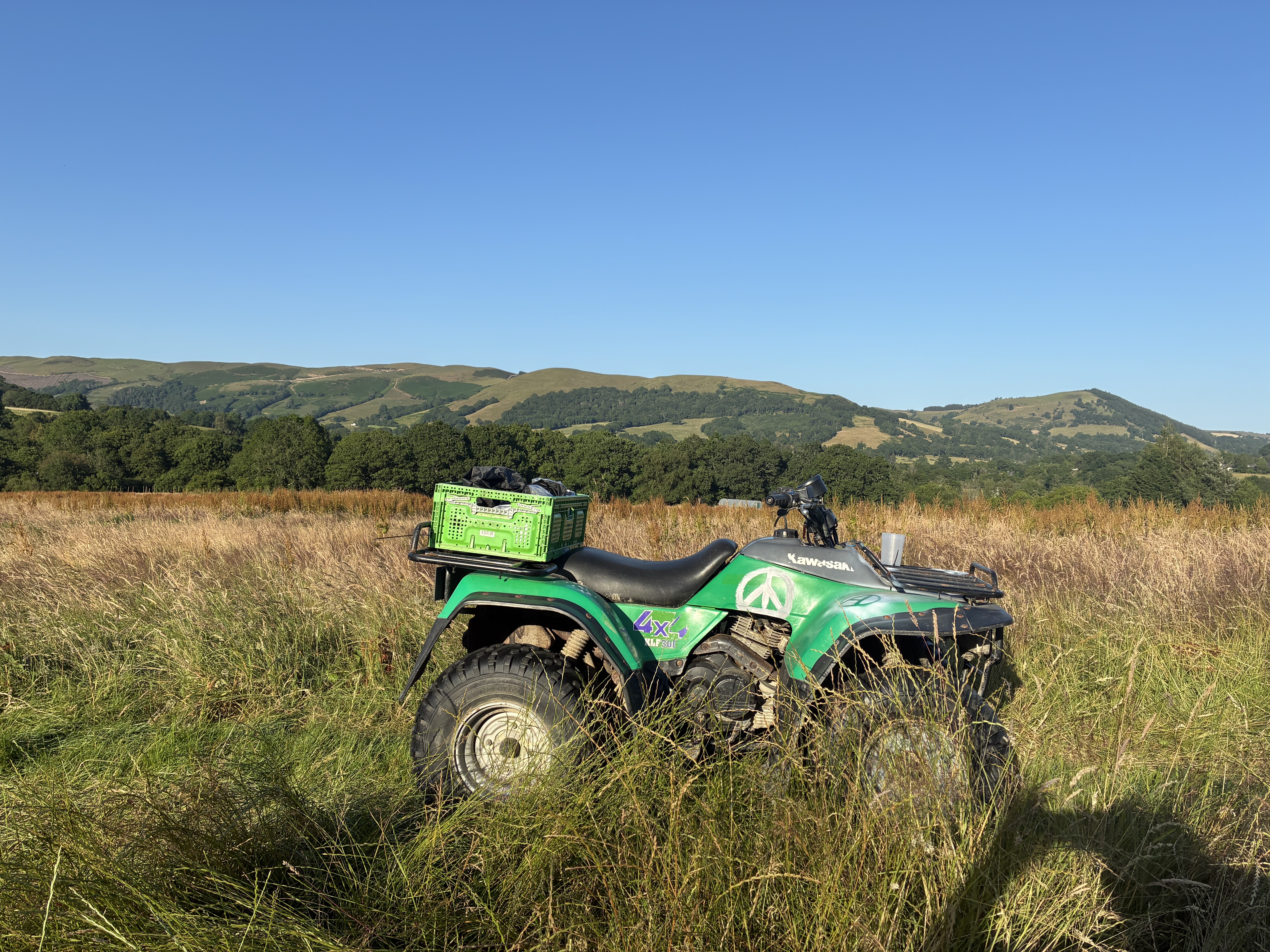
Newsletter 8 photographs
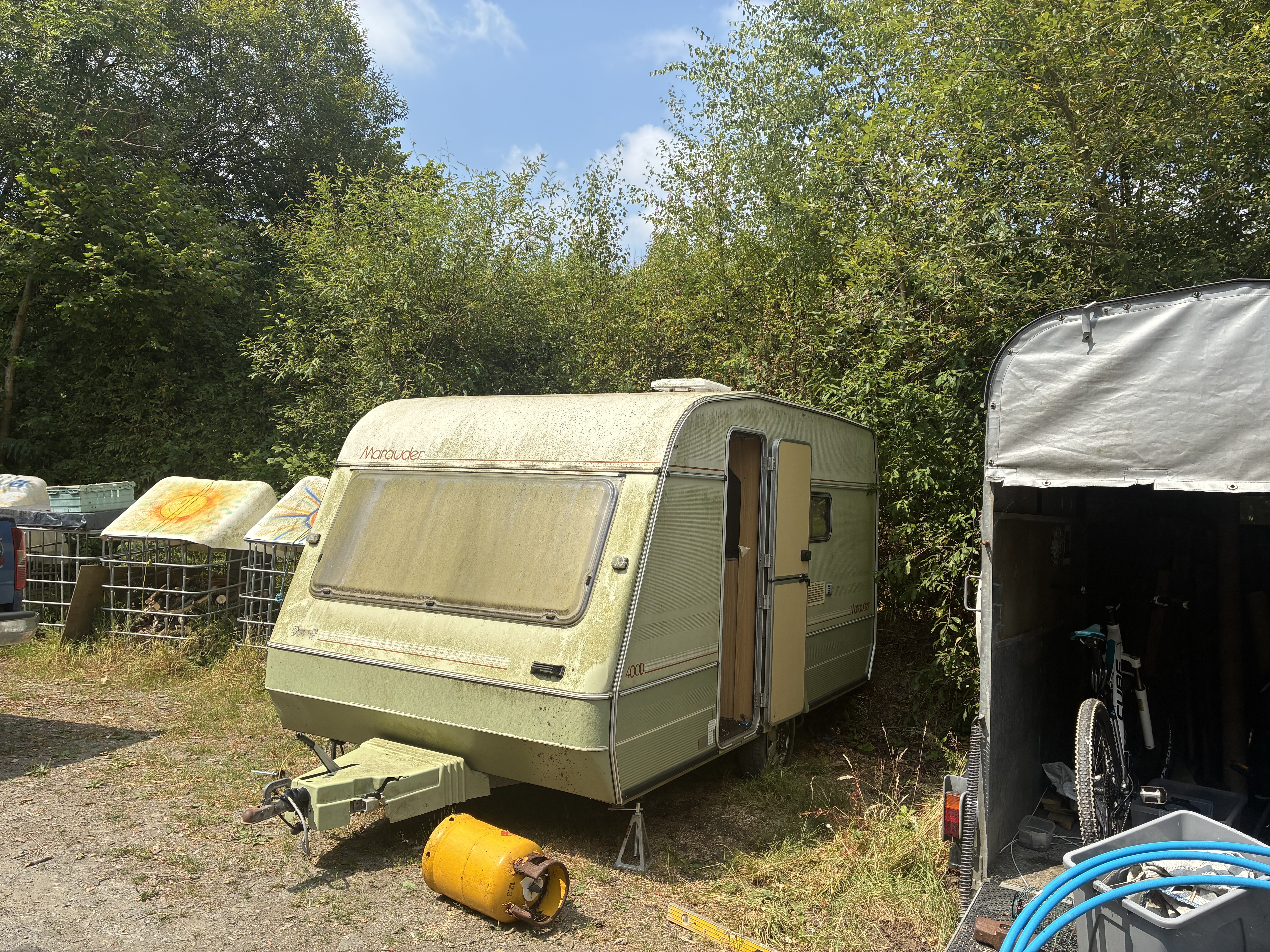
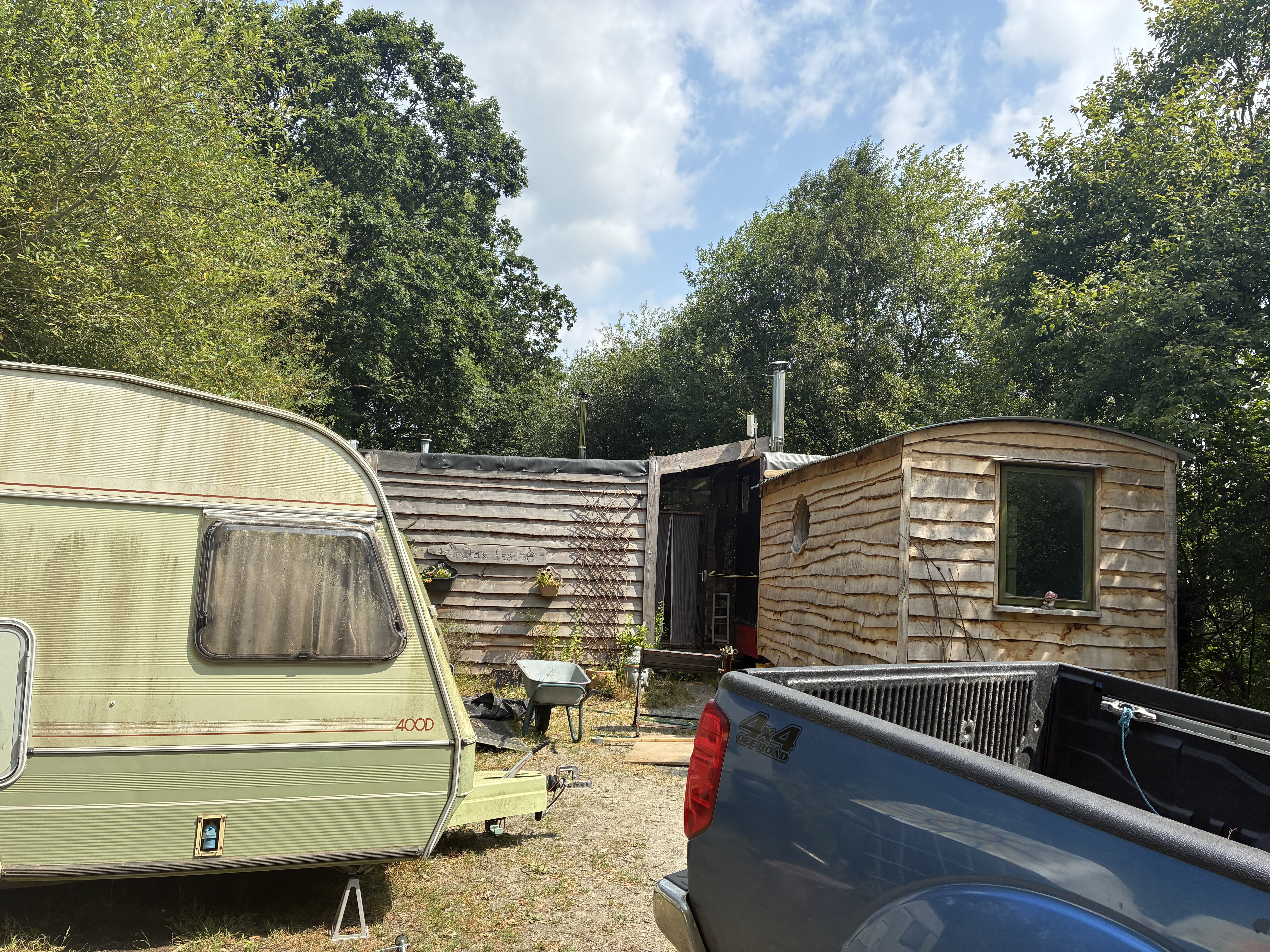
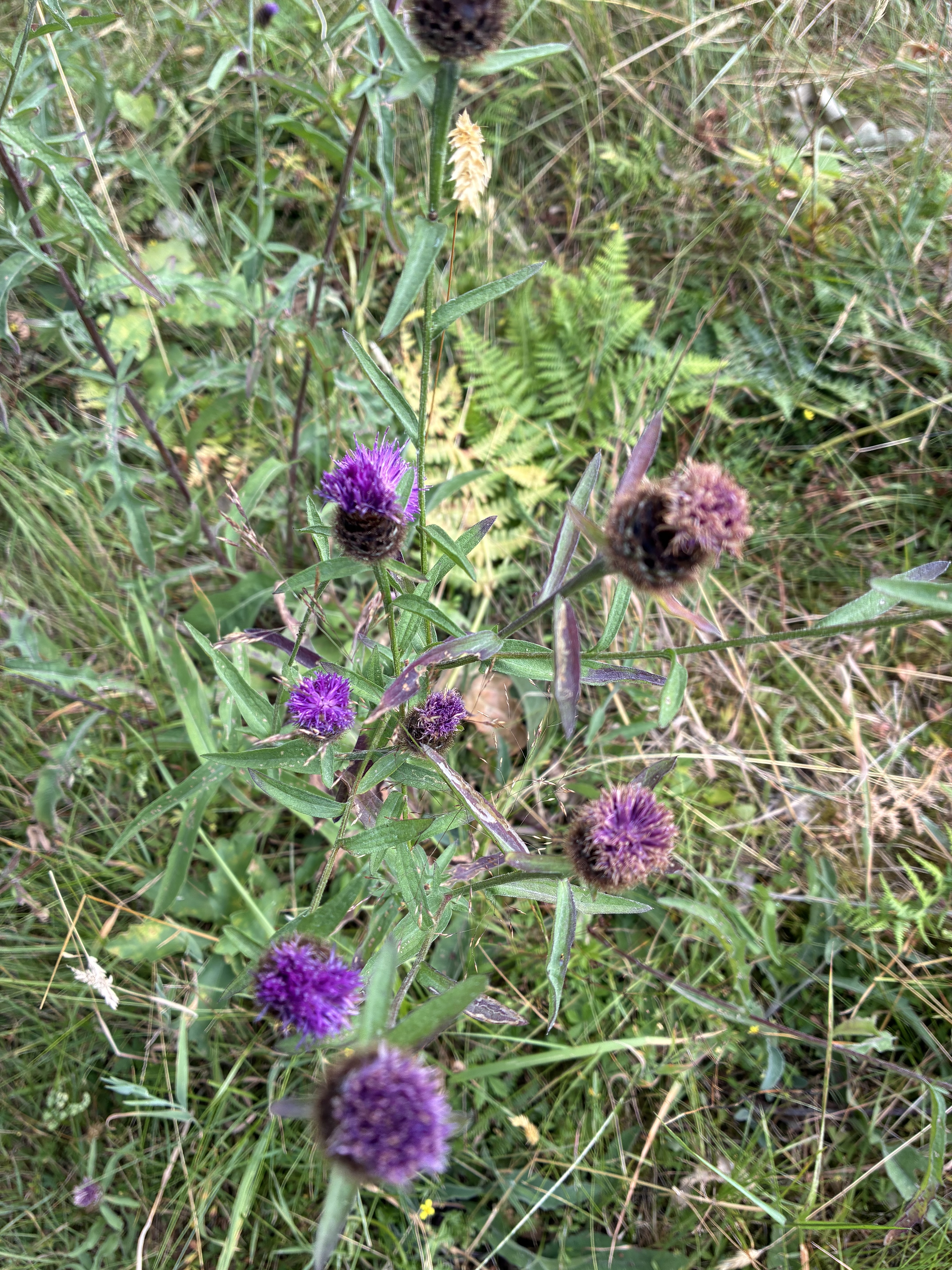
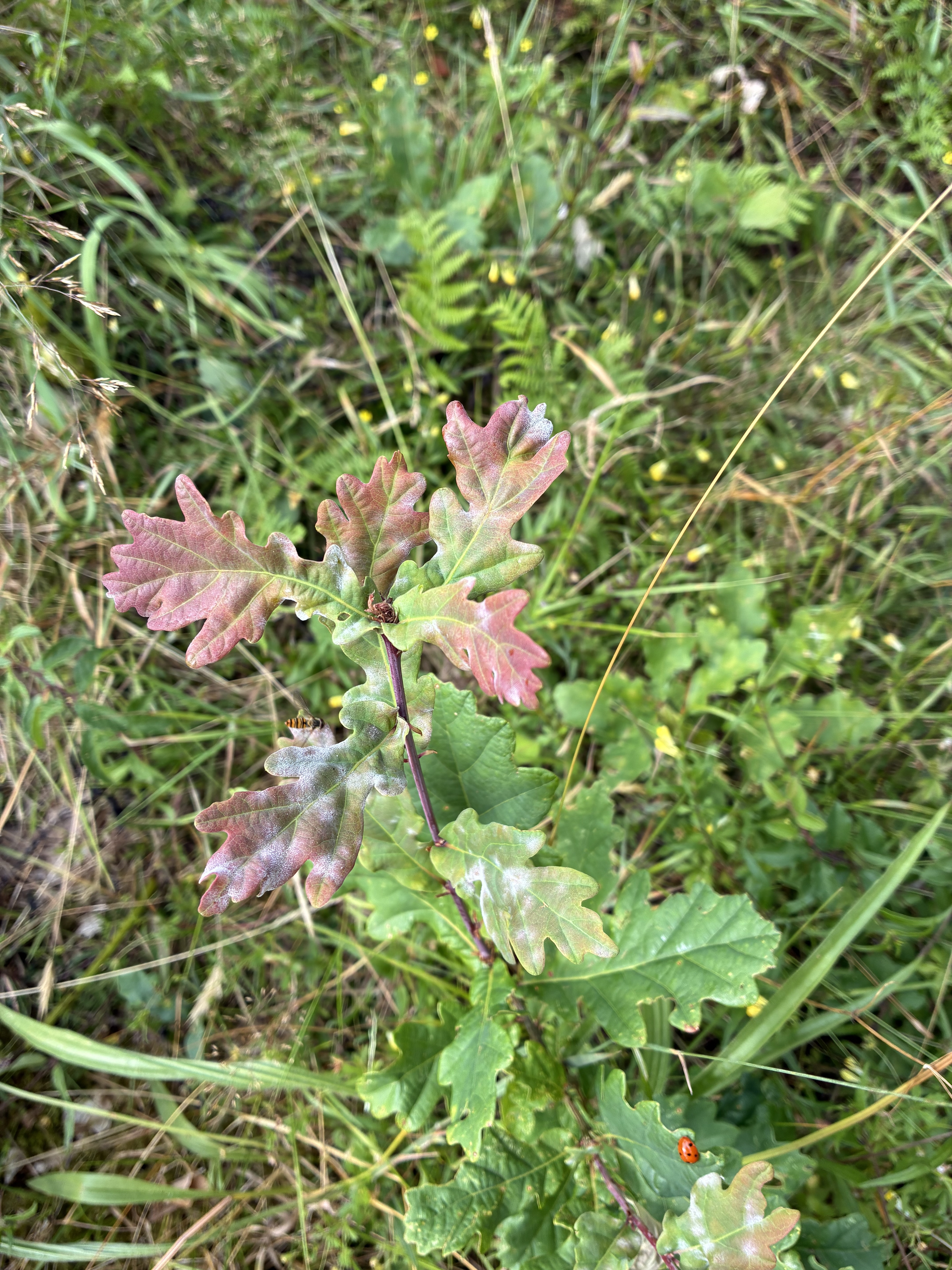
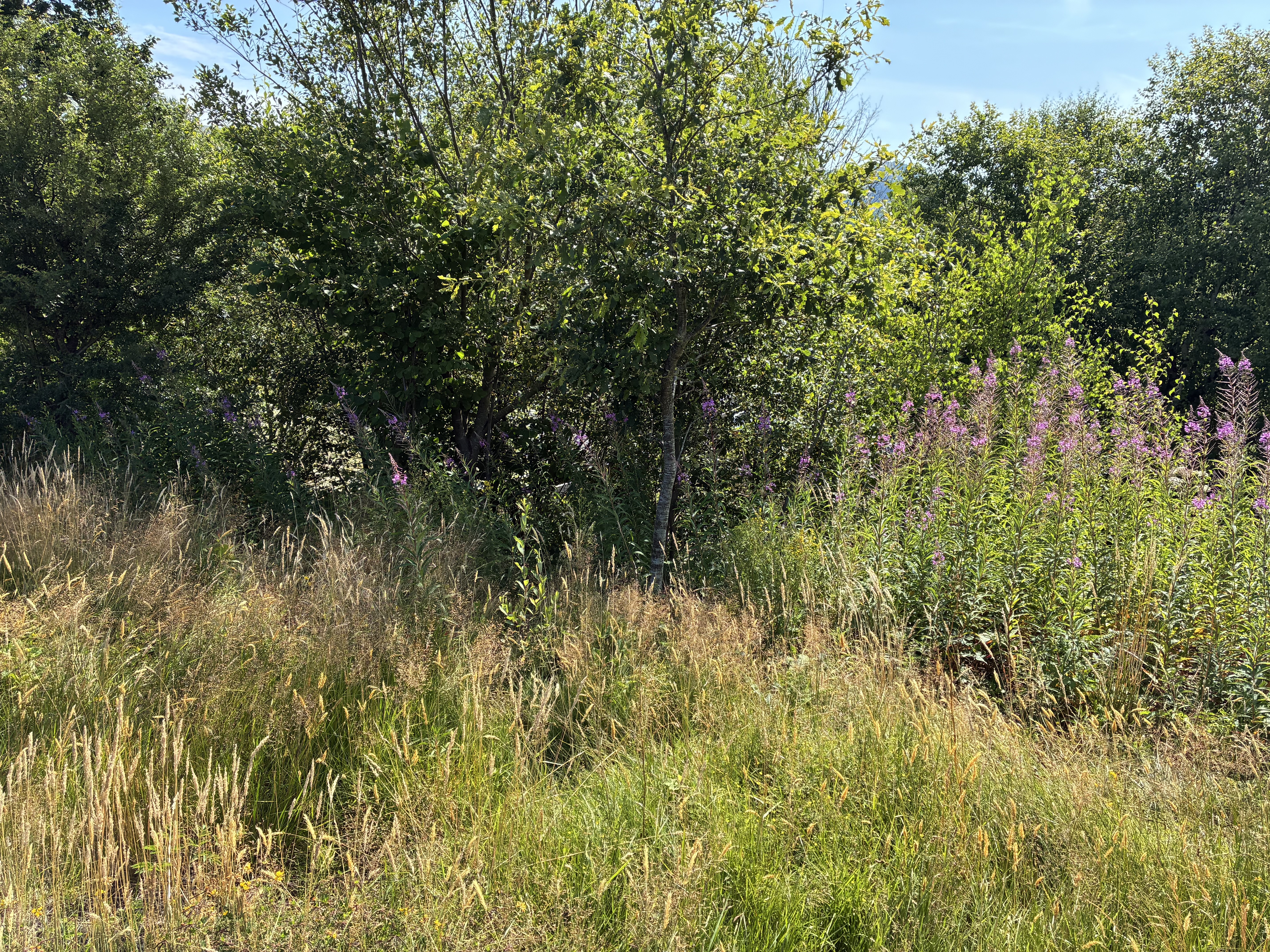
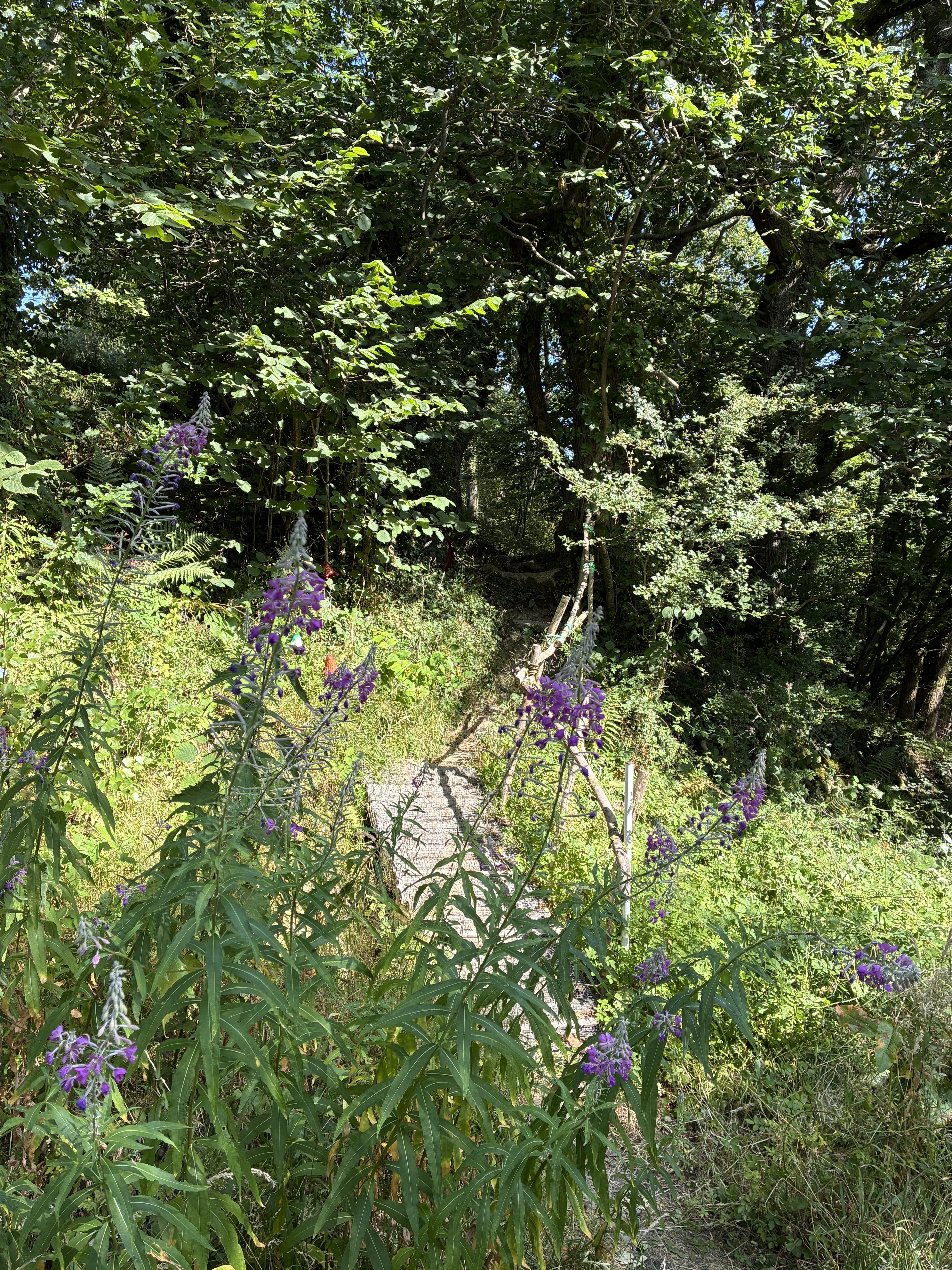
Photographs from around Oakwood, including the woodland edge, the Art-a-van, polytunnel, Pond-a-Rosa and the wider rewilding project.
Select any photograph to open the full-sized image.
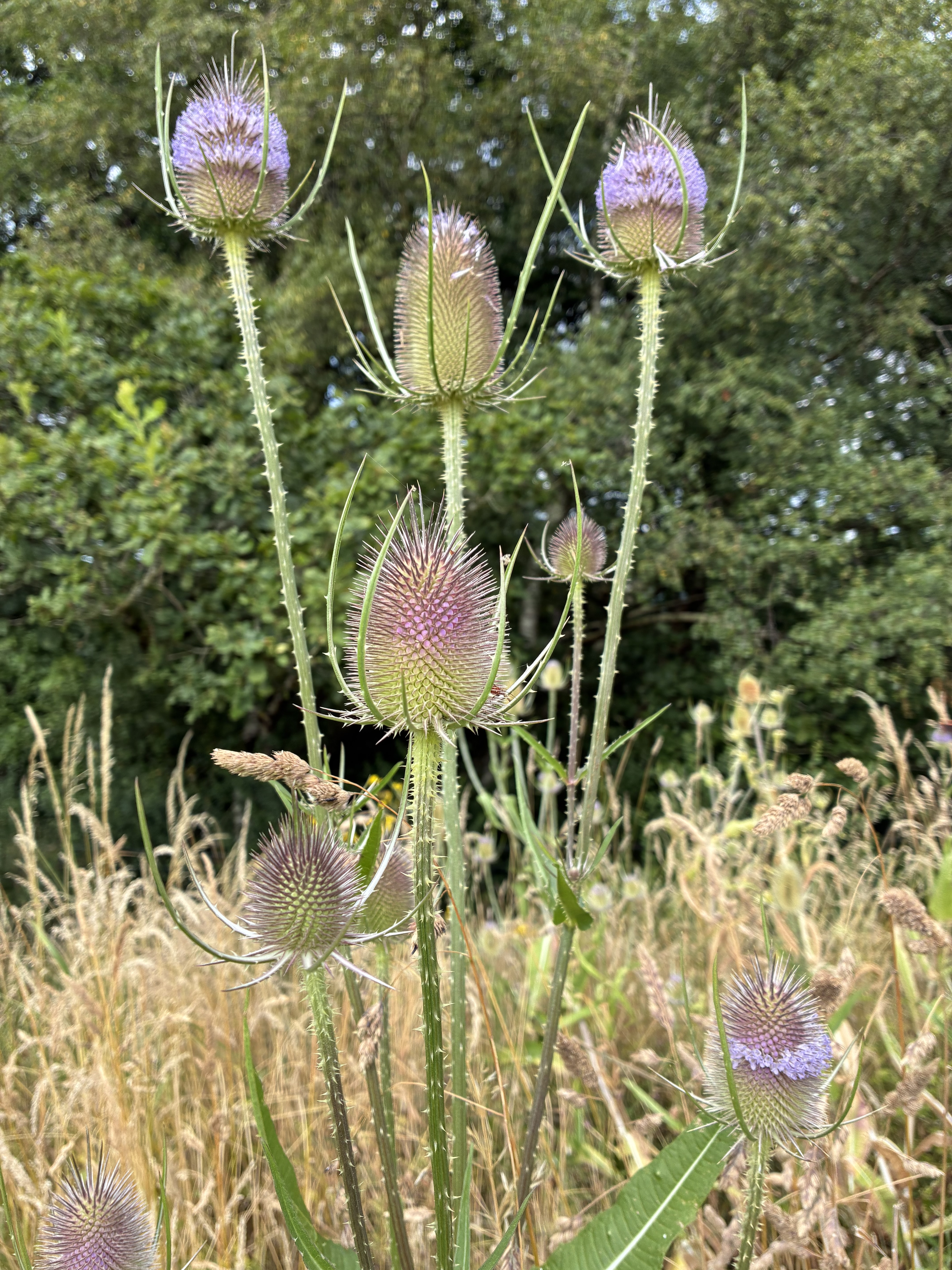
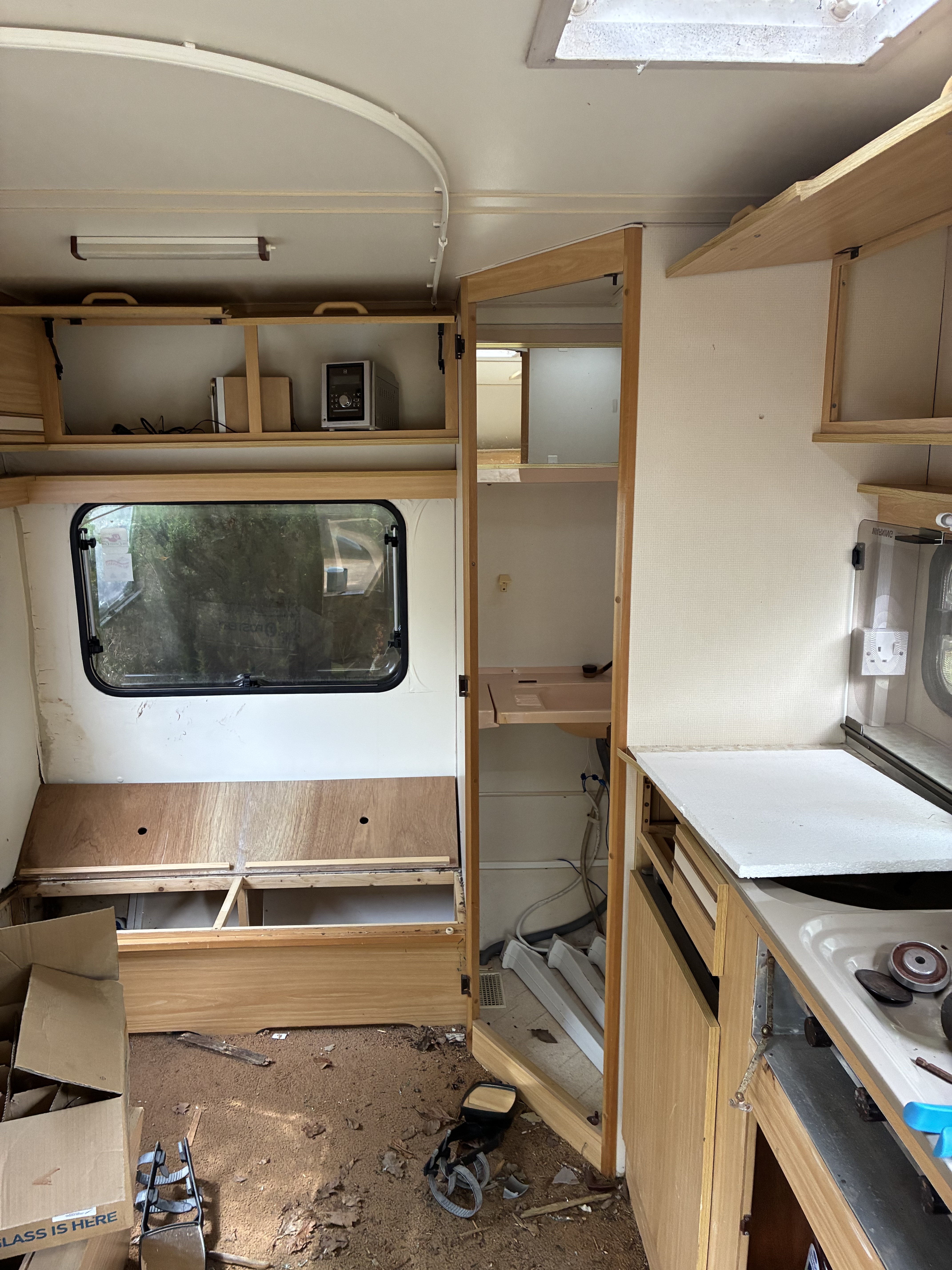
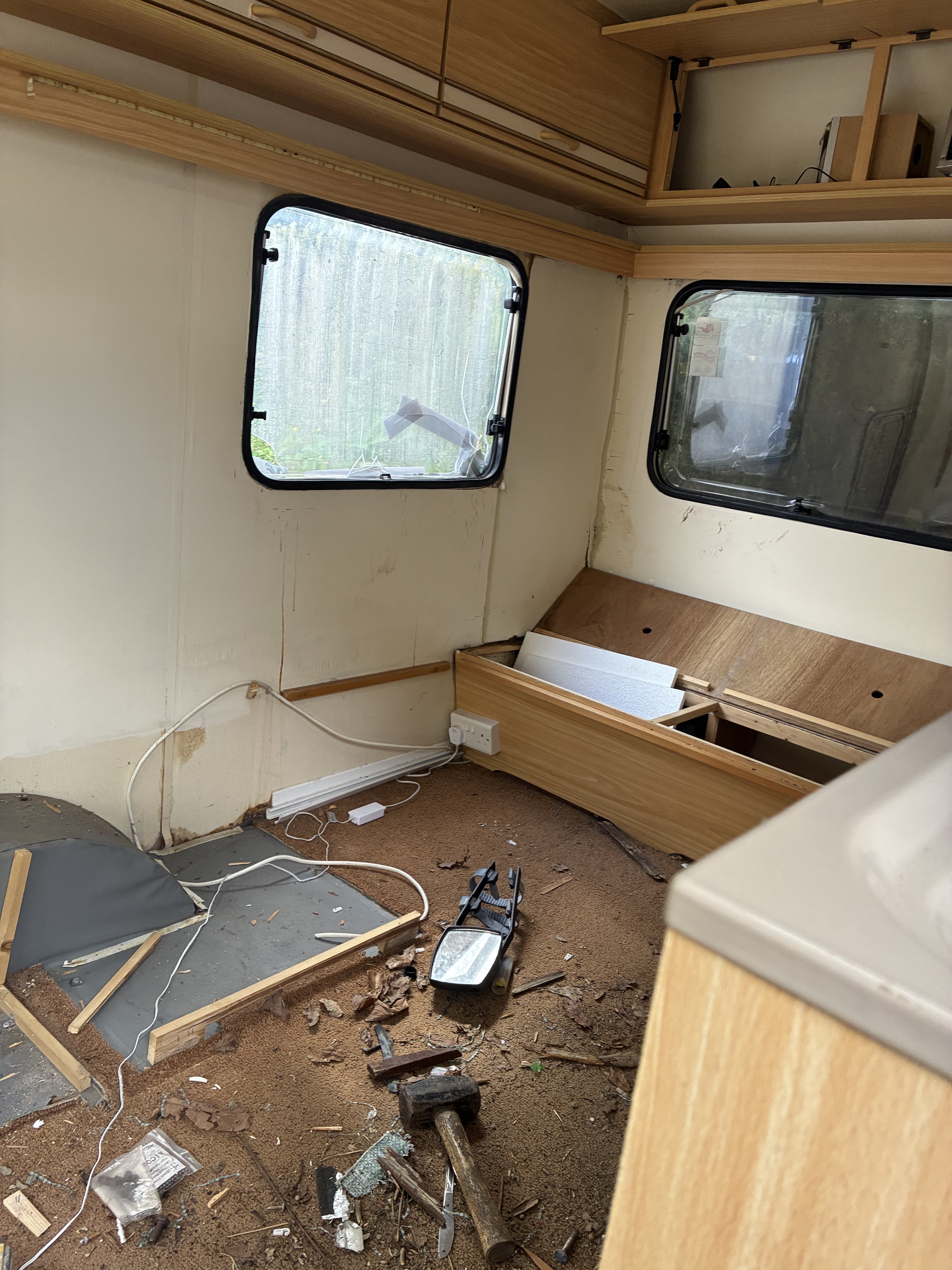
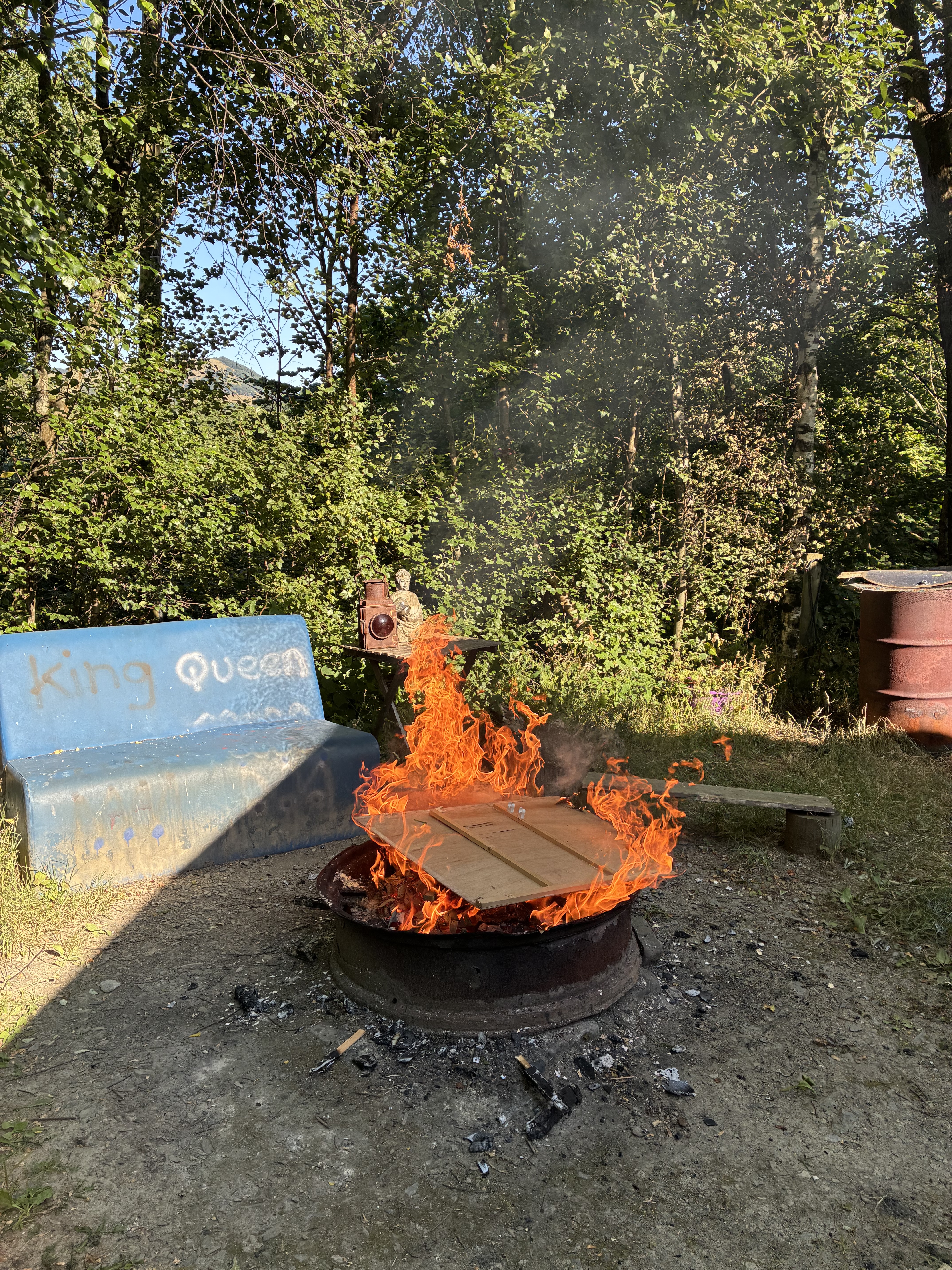
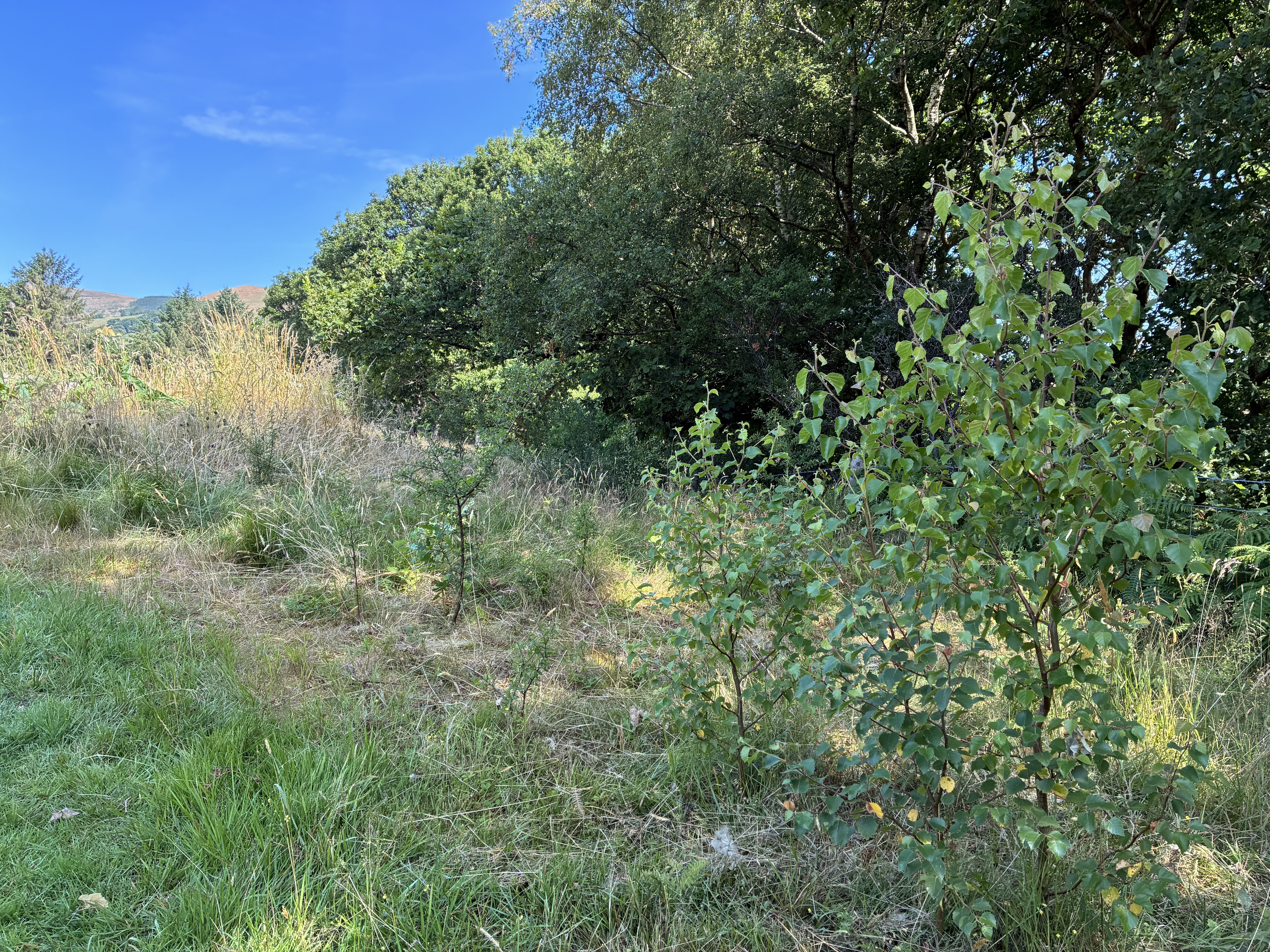
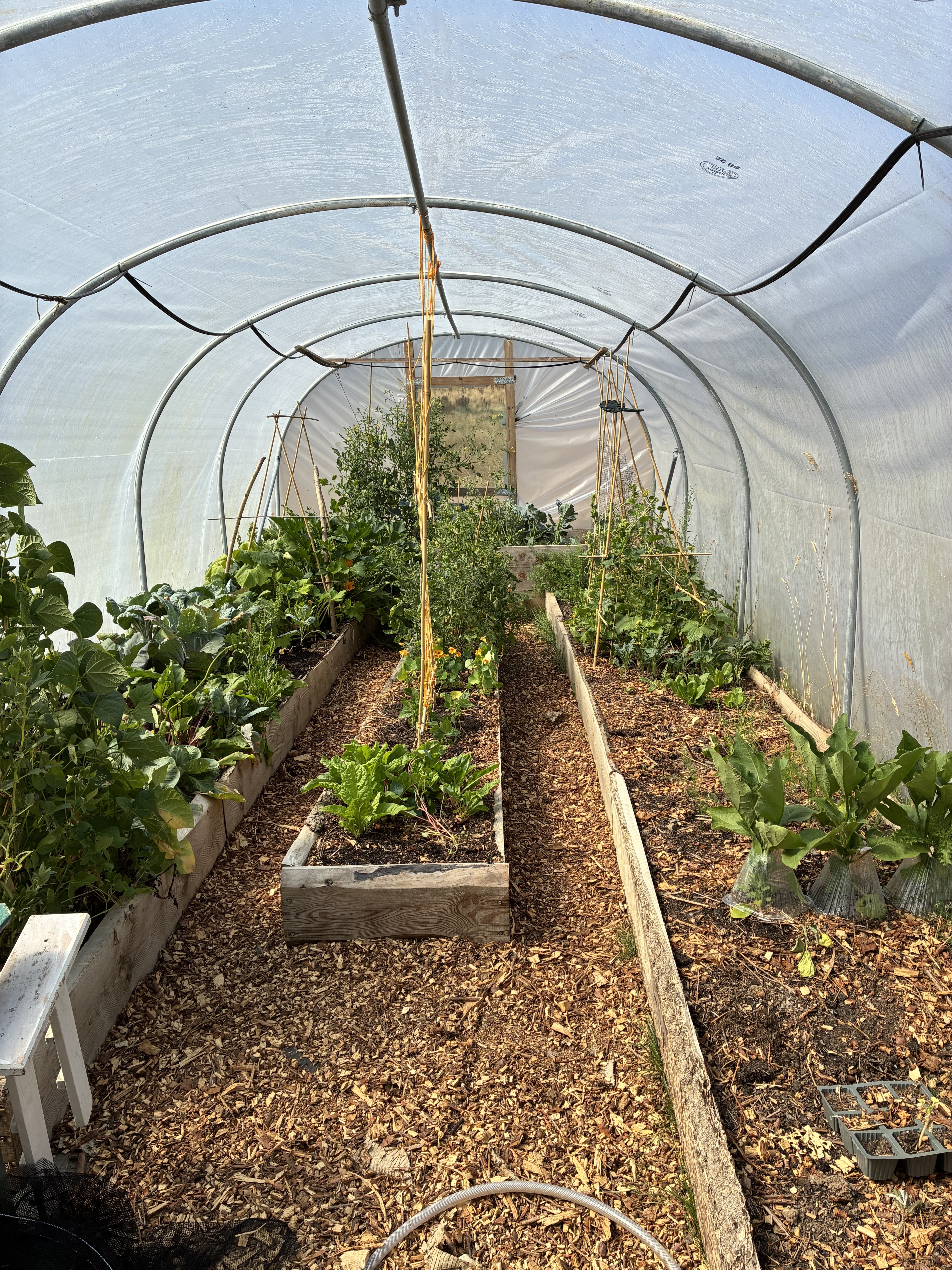
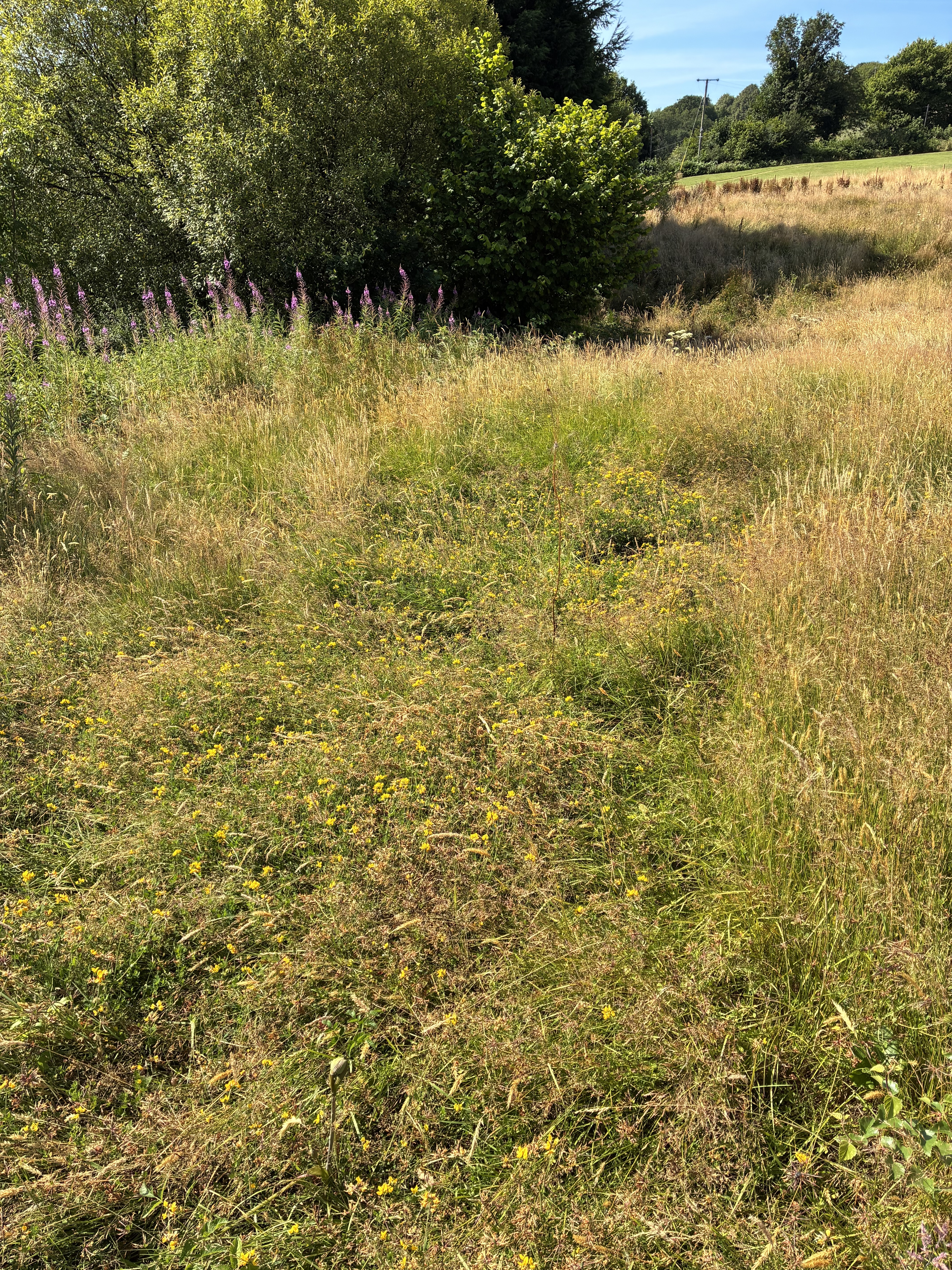
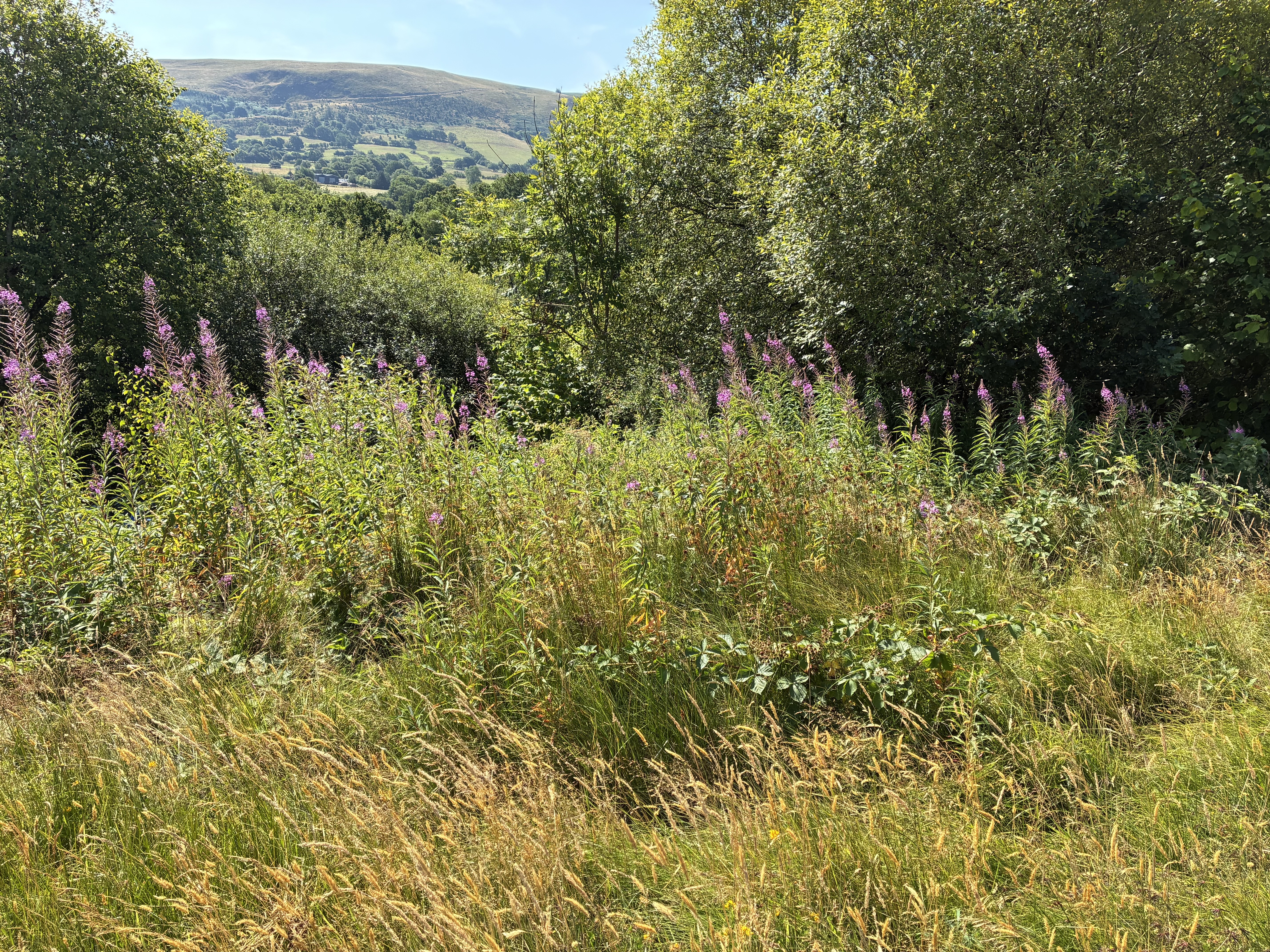

Appendix 1
Oakwood Rewilding – July 2026 Tasks
Overview
July is one of the busiest months on the site. Plants are growing rapidly, wildlife is at its peak and many species are beginning to set seed. The aim this month is to encourage biodiversity while keeping the most aggressive species under control.
Intervention should be as light as possible, allowing natural processes to continue wherever practical.
Priority 1
Dock management
Dock is currently the most aggressive species across much of the site.
Continue removing seed heads.
Aim to prevent seed production rather than eliminate every plant.
Leave stems where practical to return nutrients to the soil.
Avoid disturbing the soil around established plants.
Use:
- Hedge trimmer
- Brush cutter with blade
- Hand shears for isolated plants
Priority 2
Bracken
Continue weakening established stands.
Rather than cutting, continue crushing or rolling where possible.
Avoid damaging surrounding wildflowers.
Target:
- Once every day
Priority 3
Young trees
Continue checking recently planted trees.
Top up wood chip mulch where required.
Keep mulch away from trunks.
Fresh wood chips are acceptable provided they remain on the surface.
Maintain approximately:
- 5–10 cm depth
- 50–100 cm radius
Priority 4
Wood chip
Monitor large chip piles.
If heating occurs:
- Spread into lower piles
- Turn occasionally
- Keep reasonably dry
Continue using chips around:
- Young trees
- Pathways and the polytunnel floor
- Future hedge planting
Priority 5
Polytunnel
Water deeply rather than frequently.
Use spent coffee grounds sparingly around heavy-feeding plants.
Continue feeding with:
- Nettle tea
- Compost
Suitable plants include:
- Tomatoes
- Squash
- Courgettes
Priority 6
Meadow management
Avoid mowing unless absolutely necessary.
Allow flowering plants to set seed.
Monitor for new species.
Photograph unusual finds.
Species to protect include:
- Common knapweed
- Yarrow
- Greater bird's-foot trefoil
- Wild angelica
- Meadow buttercup
- Tormentil
- Sorrel
Priority 7
Woodland
Continue leaving dead wood.
Leave standing deadwood whenever it is safe.
Only remove fallen branches where they are:
- Blocking paths
- Creating hazards
Priority 8
Wildlife habitat
Expand habitat features.
Avoid disturbing bird nesting areas.
Continue building:
- Brash piles
- Log piles
- Insect habitat
Priority 9
Pond area
Continue managing the pond for wildlife during the current season.
Remove only invasive vegetation if required.
Monitor:
- Dragonflies
- Damselflies
- Frogs
- Aquatic plants
Priority 10
Hedge development
Monitor new hedge planting.
Control grass immediately around young shrubs using mulch rather than cultivation.
Allow blackberry to remain where it is not overwhelming other plants.
Species already establishing include:
- Hawthorn
- Blackthorn
- Hazel
- Dog rose
Priority 11
Species recording
Continue photographing and logging species.
Record bird breeding activity where observed.
Plants:
- Orchids
- Meadow flowers
- Grasses
- Sedges
- Rushes
Insects:
- Dragonflies
- Damselflies
- Butterflies
- Hoverflies
- Bees
- Moths
Priority 12
Compost
Turn compost heaps if temperatures become excessive.
Avoid adding diseased material.
Continue adding:
- Green material
- Wood chip
- Coffee grounds
Priority 13
Future orchard
Monitor the existing young fruit trees.
Continue mulching.
Remove only vegetation directly competing with the trees.
Avoid unnecessary pruning until winter.
Management approach
General principles for July
- Disturb the site as little as possible.
- Prevent the worst invasive species from dominating.
- Leave flowering plants wherever practical.
- Keep soil covered.
- Add organic matter rather than remove it.
- Let wildlife lead the management wherever possible.
End-of-month review
Questions to assess
- Has dock been prevented from seeding?
- Are the young trees thriving?
- Has bracken been weakened?
- Are wood chip piles remaining cool?
- What new plant species have appeared?
- Which butterflies, dragonflies and birds have been recorded?
- Which areas now require little or no intervention?
The overall aim remains unchanged – to guide the land towards a self-sustaining, species-rich ecosystem while intervening only where necessary to accelerate natural recovery.